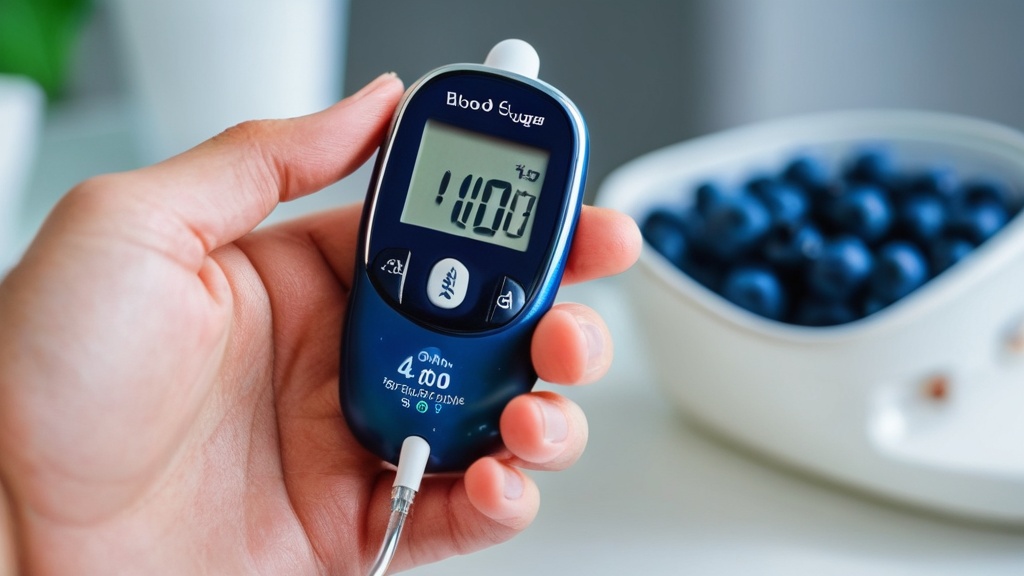

Blood sugar control is essential for maintaining overall health. It describes how effectively your body manages glucose, which serves as the primary energy source for cells. When you consume food, your body breaks down carbohydrates into glucose, which enters the bloodstream.
Insulin, a hormone produced by the pancreas, facilitates the transport of glucose into cells where it is used for energy. Excessive fluctuations in blood sugar levels can result in various health complications. In a balanced system, glucose levels rise after eating, while insulin works to reduce those levels back to normal.
This equilibrium is necessary for proper metabolic function. However, if the pancreas produces insufficient insulin or if cells develop resistance to insulin, blood sugar levels can remain elevated, potentially leading to long-term health consequences.
Key Takeaways
- Balanced blood sugar levels are crucial for overall health and preventing complications.
- Diet and exercise play key roles in effectively managing blood sugar.
- Stress management is important to maintain stable blood sugar levels.
- Regular monitoring helps track and control blood sugar fluctuations.
- Medications may be necessary alongside lifestyle changes for optimal blood sugar control.
The Importance of Balanced Blood Sugar Levels
Balanced blood sugar levels are essential for energy and overall well-being. When blood sugar is stable, you feel more energetic and focused. Conversely, spikes and drops can lead to fatigue, irritability, and difficulty concentrating.
For instance, after consuming a sugary snack, you might experience a quick energy boost followed by a crash that leaves you feeling drained. Maintaining balanced blood sugar levels also reduces the risk of developing chronic conditions like type 2 diabetes. According to the Centers for Disease Control and Prevention (CDC), over 34 million Americans have diabetes, a condition often linked to poor blood sugar management.
By prioritizing balance, you can enhance your quality of life and lower your risk of serious health issues.
Factors Affecting Blood Sugar Levels

Several factors influence blood sugar levels, including diet, physical activity, stress, and sleep. For example, consuming high-carbohydrate meals can cause rapid spikes in blood sugar. On the other hand, regular exercise helps improve insulin sensitivity, allowing your body to use glucose more effectively.
Stress also plays a significant role in blood sugar control. When you’re stressed, your body releases hormones like cortisol that can raise blood sugar levels. Lack of sleep can further exacerbate this issue by affecting hormone regulation and increasing cravings for unhealthy foods.
Understanding these factors can empower you to make informed choices that support stable blood sugar levels.
The Role of Diet in Blood Sugar Control
Diet plays a pivotal role in managing blood sugar levels. Foods high in fiber, such as whole grains, fruits, and vegetables, help slow down glucose absorption. This gradual release prevents sharp spikes in blood sugar.
For instance, pairing a piece of fruit with a handful of nuts can provide sustained energy without causing a rapid increase in glucose levels. Conversely, highly processed foods and sugary snacks can lead to quick spikes followed by crashes. Choosing whole foods over processed options can significantly impact your blood sugar control.
Additionally, incorporating healthy fats and lean proteins into your meals can help maintain satiety and stabilize blood sugar levels throughout the day.
The Impact of Exercise on Blood Sugar Levels
| Metric | Normal Range | Target for Blood Sugar Control | Notes |
|---|---|---|---|
| Fasting Blood Glucose | 70-99 mg/dL | 80-130 mg/dL | Measured after at least 8 hours of fasting |
| Postprandial Blood Glucose (2 hours after meal) | Less than 140 mg/dL | Less than 180 mg/dL | Indicates body’s response to glucose intake |
| HbA1c (Glycated Hemoglobin) | 4.0% – 5.6% | Less than 7.0% | Reflects average blood glucose over 2-3 months |
| Random Blood Glucose | 70-140 mg/dL | Less than 180 mg/dL | Any time of day, without fasting |
| Continuous Glucose Monitoring (CGM) Average | 70-140 mg/dL | 70-180 mg/dL | Provides real-time glucose trends |
| Time in Range (70-180 mg/dL) | Not applicable | Greater than 70% | Percentage of time blood glucose is in target range |
Regular physical activity is one of the most effective ways to manage blood sugar levels. Exercise increases insulin sensitivity, allowing your body to use glucose more efficiently. Even moderate activities like walking or cycling can have a positive effect.
For example, a brisk 30-minute walk after meals can help lower post-meal blood sugar levels. Moreover, exercise helps reduce stress and improve sleep quality, both of which contribute to better blood sugar control. The American Diabetes Association recommends at least 150 minutes of moderate aerobic activity each week.
Finding enjoyable activities can make it easier to stick with an exercise routine and reap the benefits for your blood sugar levels.
Strategies for Managing Stress and Blood Sugar
Managing stress is vital for maintaining stable blood sugar levels. High stress can lead to hormonal changes that increase blood sugar. Incorporating relaxation techniques into your daily routine can help mitigate these effects.
Practices like deep breathing, meditation, or yoga can promote relaxation and improve overall well-being. Additionally, engaging in hobbies or spending time with loved ones can provide emotional support and reduce stress levels. Regularly setting aside time for self-care is essential for both mental health and blood sugar management.
By prioritizing stress reduction strategies, you can create a more balanced environment for your body to thrive.
Monitoring Blood Sugar Levels
Monitoring blood sugar levels is crucial for understanding how your body responds to different foods and activities. For those with diabetes or prediabetes, regular testing helps identify patterns and make necessary adjustments. Home glucose monitors are widely available and easy to use.
Keeping a log of your readings can help you track trends over time. This information allows you to see how diet, exercise, and stress affect your blood sugar levels. If you’re unsure about how often to test or what your target range should be, consult with a healthcare professional for personalized guidance.
Medications and Blood Sugar Control
For some individuals, lifestyle changes alone may not be enough to manage blood sugar levels effectively. In such cases, medications may be necessary. Various medications are available that help lower blood sugar by improving insulin sensitivity or increasing insulin production.
It’s essential to work closely with a healthcare provider to determine the best medication for your needs. They can help monitor your progress and make adjustments as needed. Remember that medication should complement lifestyle changes rather than replace them.
The Connection Between Blood Sugar and Overall Health
Blood sugar control is closely linked to overall health. Chronic high blood sugar can lead to serious complications such as heart disease, kidney damage, and nerve damage. According to the World Health Organization (WHO), managing blood sugar is vital for preventing these long-term health issues.
Conversely, maintaining stable blood sugar levels supports energy levels, mood stability, and cognitive function. A balanced approach to diet, exercise, and stress management contributes not only to better blood sugar control but also enhances overall quality of life.
Complications of Uncontrolled Blood Sugar
Uncontrolled blood sugar can lead to severe complications over time. One common issue is diabetic neuropathy, which affects nerve function and can cause pain or numbness in the extremities. Additionally, high blood sugar increases the risk of cardiovascular diseases such as heart attacks and strokes.
Other complications include kidney damage (diabetic nephropathy) and vision problems (diabetic retinopathy). These conditions highlight the importance of proactive management of blood sugar levels through lifestyle changes and medical intervention when necessary.
Tips for Maintaining Healthy Blood Sugar Levels
Maintaining healthy blood sugar levels requires a multifaceted approach. Start by focusing on a balanced diet rich in whole foods while limiting processed sugars and refined carbohydrates. Incorporate regular physical activity into your routine; even small changes like taking the stairs instead of the elevator can make a difference.
Stay hydrated by drinking plenty of water throughout the day. Proper hydration supports overall health and helps regulate blood sugar levels. Additionally, prioritize sleep and stress management techniques to create a holistic approach to health.
Finally, consider keeping a food diary or using apps that track your meals and physical activity. This practice can help you identify patterns and make informed choices that support stable blood sugar levels over time. By understanding the importance of blood sugar control and implementing these strategies, you can take charge of your health and well-being.