
Medications offer remarkable healing power. However, they are not without risks. Taking medicines safely is crucial for your well-being. This guide helps you navigate medication use wisely.
Knowing your medicines is the first step. Think of it like knowing your travel route.
What You Are Taking
Understand each medication’s purpose. Why are you taking it? What should it do? For example, your doctor prescribes a pill for high blood pressure. You know it will help lower your readings.
How to Take It
Follow dosage instructions precisely. This includes the amount and timing. Some medications need food, others do not. Taking a pain reliever after a meal may prevent stomach upset.
Potential Side Effects
All medications have possible side effects. Learn what to look for. Report unusual symptoms to your doctor. For instance, a new antibiotic might cause dizziness. If this happens, your doctor needs to know.
Interactions with Other Substances
Medications can interact with other drugs, supplements, or foods. Grapefruit juice, for example, can affect some cholesterol medicines. Always discuss all your medications and supplements with your doctor or pharmacist.
Safe Storage Practices
Proper storage keeps your medications effective and safe. Consider your medicine cabinet a security vault.
Keeping Them Secure
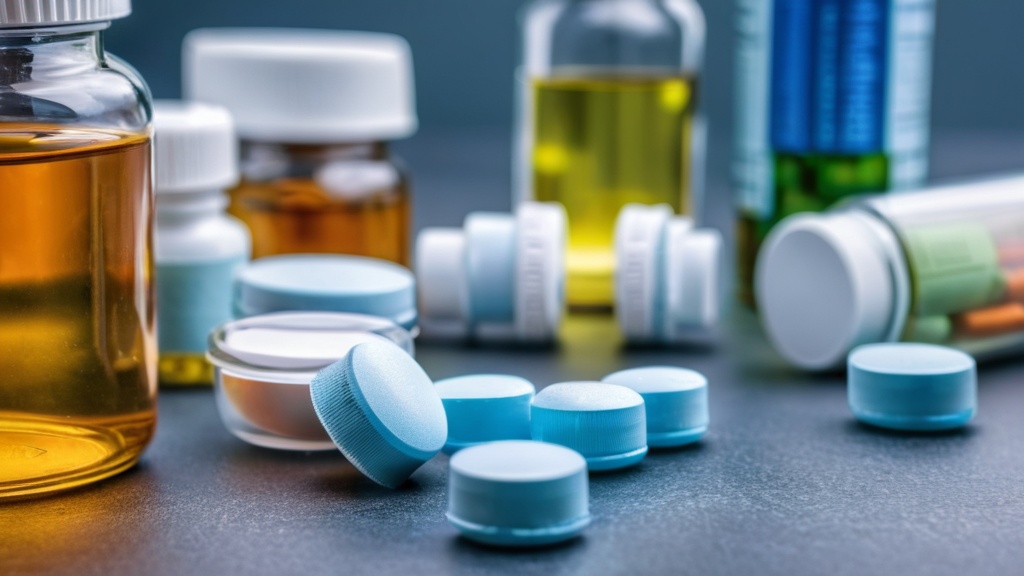
Store medicines in a safe place. Keep them out of reach of children and pets. A locked cabinet prevents accidental ingestion. This is especially important for strong pain medications.
Optimal Environment
Follow storage instructions on the label. Some need refrigeration; others must stay cool and dry. Heat and humidity can degrade medication. Leaving pills in a hot car can reduce their effectiveness.
Expiration Dates
Always check expiration dates. Expired medications may lose potency or become harmful. Dispose of old medicines properly. The pharmacy often has safe disposal programs.
Preventing Medication Errors
Errors can happen, but you can take steps to prevent them. Be an active participant in your care.
Patient Identification
Confirm your identity at the pharmacy or doctor’s office. Staff should always verify your name and date of birth. This prevents wrong patient errors. This is a critical practice for healthcare providers.
Barcode Scanning
Many pharmacies use barcode scanning. This verifies you receive the correct medication. It’s like a double-check system. This helps ensure accuracy in dispensing.
Clear Labeling
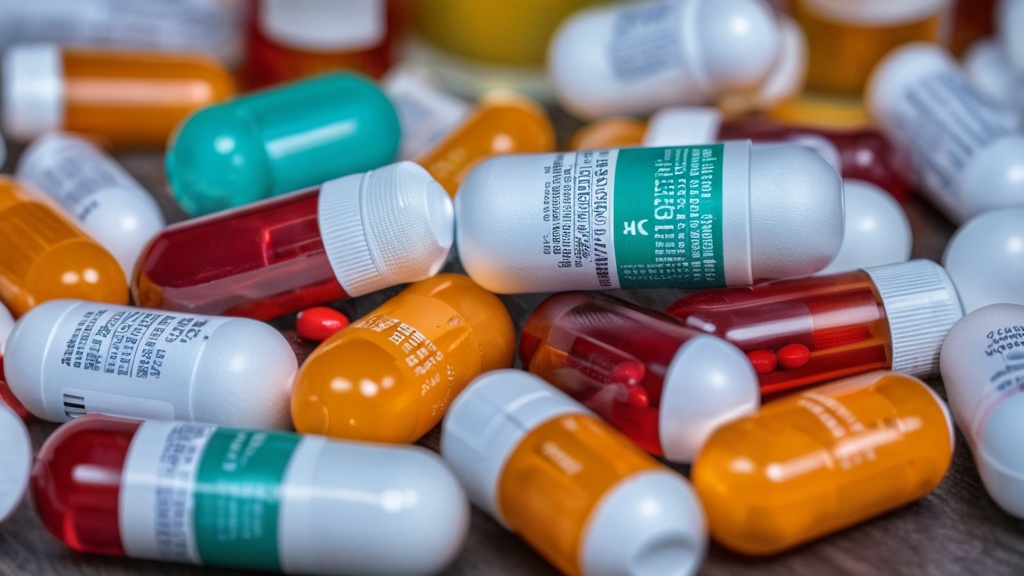
Ensure all medication containers are clearly labeled. This includes prescription bottles and over-the-counter items. Mislabeling can lead to confusion. If a label is unreadable, ask for a new one.
Metric Units for Liquids
Liquid medications require precise measurement. Always use metric units (milliliters, ml). Oral syringes are often provided for accuracy. A teaspoon and a tablespoon are not always standard medical measurements.
Weight-Based Dosing Verification
Children and some adults need weight-based dosing. Healthcare professionals must verify these calculations carefully. This prevents under or overdosing. This is a critical safety measure in hospitals.
Managing Polypharmacy and High-Risk Medications
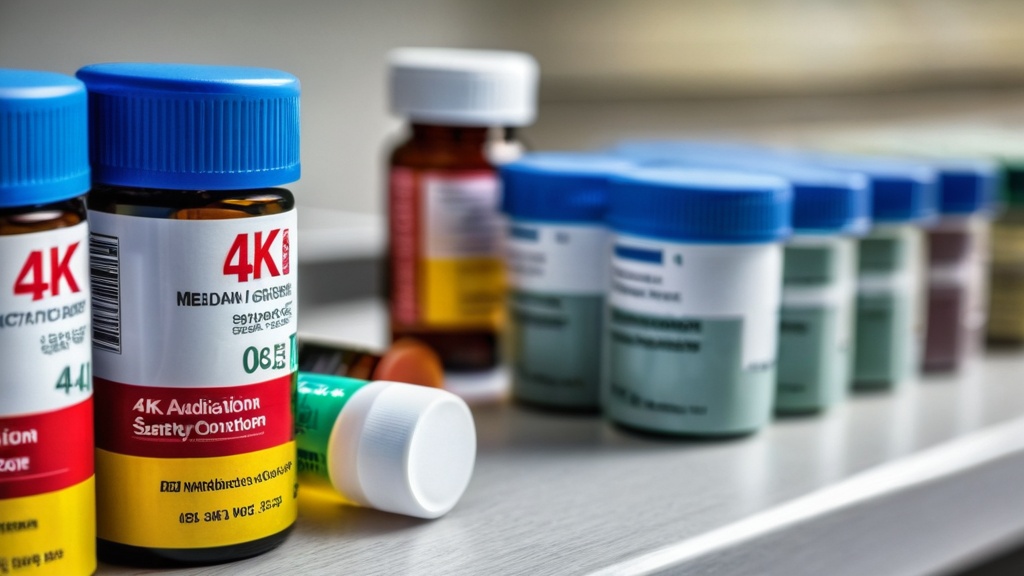
Taking multiple medications, especially in older adults, requires extra vigilance. This is like juggling many balls.
Polypharmacy with Anticholinergics (POLYACH)
Older adults sometimes take several anticholinergic drugs. This combination can increase risks. These risks include falls and cognitive decline. Your doctor should review these regularly.
High-Risk Medication Combinations
Certain medication combinations pose higher risks. Opioids and benzodiazepines, for example, can be dangerous together. Your doctor and pharmacist should review all your medications. They can identify potentially harmful interactions.
Deprescribing Reviews
Regularly review your medications with your doctor. Sometimes, medications are no longer needed. Deprescribing safely reduces pill burden. It can also decrease side effects.
Provider Notifications
Your healthcare providers should communicate effectively. They need to know all your medications. This helps them avoid prescribing conflicting drugs. These notifications are crucial for coordinated care.
Alternatives to Mitigate Risks
Discuss alternatives with your doctor. Can a different medication reduce side effects? Are there non-drug options for your condition? For instance, exercise might help with mild insomnia.
Safe Preparation and Administration
| Metric | Description | Typical Value/Range | Importance |
|---|---|---|---|
| Medication Error Rate | Percentage of medication orders with errors (prescribing, dispensing, administration) | 1-5% of all medication orders | High – indicates safety and quality of medication processes |
| Adverse Drug Event (ADE) Rate | Number of harmful events related to medication per 1,000 patient days | 5-20 ADEs per 1,000 patient days | High – reflects patient harm due to medications |
| Percentage of High-Alert Medications | Proportion of medications classified as high-alert in total medications used | 5-15% | Medium – high-alert meds require extra precautions |
| Compliance with Medication Reconciliation | Percentage of patients with completed medication reconciliation at admission and discharge | Target >90% | High – reduces errors during care transitions |
| Patient Education Rate | Percentage of patients receiving counseling on medication use and safety | Target >85% | Medium – improves adherence and reduces errors |
| Use of Barcode Medication Administration (BCMA) | Percentage of medication doses administered using barcode scanning | Target >95% | High – reduces administration errors |
| Reporting Rate of Medication Errors | Number of reported medication errors per 1,000 medication doses | Varies widely; higher reporting indicates better safety culture | Medium – encourages learning and prevention |
Preparing and taking medications correctly is vital. This is especially true for specific types.
Vaccine Preparation and Administration Standards
Vaccines need careful preparation and administration. Healthcare providers follow strict protocols. This ensures vaccine effectiveness and safety. They check dosages and injection sites.
Opioid Warning Labels
Opioids carry significant risks. Warning labels highlight these dangers. They inform patients about potential addiction and overdose. Always follow your doctor’s instructions precisely.
Medication Instruction Labels
Read all instruction labels carefully. These labels provide crucial information. They tell you how and when to take your medication. They also list potential side effects.
Labeling All Medications and Containers
Ensure every medication has a clear label. This includes syringes and other containers. This prevents mix-ups. Unlabeled items can lead to dangerous errors.
Return-to-Stock Processes
Pharmacies have procedures for returned medications. Technology helps ensure these are handled safely. This prevents expired or tampered products from being re-dispensed. It’s an important quality control step.
Utilizing Technology and Professional Guidance
Technology and healthcare professionals are your allies in medication safety.
AI-Driven Clinical Decision Support (CDS)
New AI tools assist doctors in making prescribing decisions. They analyze data for insights. These tools can flag potential interactions or allergies. They act as an extra safety net.
Transparency in CDS
It’s important to understand how these AI tools work. Knowing their data inputs prevents bias. This transparency builds trust. It helps healthcare providers make informed choices.
Broader Definition of Patient Medical Information
Patient information now includes more data sources. This provides a more complete picture. It helps AI tools give better recommendations. This broader view improves safety.
Enforcement Discretion for Low-Risk Tools
Regulatory bodies allow flexibility for certain low-risk tools. These tools offer general guidance. They help doctors apply best practices. They do not replace a doctor’s judgment.
FDA Drug Safety Communications
The FDA constantly monitors drug safety. They release communications about new side effects. These alerts update prescribing information. Stay informed through reliable sources like the FDA.
Strategies for High-Alert Medications
High-alert medications carry higher risks of harm. Hospitals use special safeguards. These include double-checks and specific protocols. They aim to minimize errors with these powerful drugs.
What to Do If an Error Occurs
Even with precautions, errors can happen. Knowing what to do is critical.
Contact Your Healthcare Provider
If you suspect a medication error, contact your doctor immediately. This includes taking the wrong dose or medication. They can advise you on the next steps.
Report Adverse Events
Report any unexpected or severe side effects. Your doctor needs this information. The FDA also collects this data. Your report helps identify new safety concerns.
Emergency Situations
For severe reactions or overdose, seek emergency care. Call 911 or your local emergency number. Do not delay seeking help. Time can be critical in these situations.
Empowering Yourself with Knowledge
Your active involvement is key to medication safety. Be informed and ask questions.
Maintain an Up-to-Date Medication List
Keep a current list of all your medications. Include prescription drugs, over-the-counter medicines, and supplements. Share this list with all your healthcare providers. This is a vital communication tool.
Ask Questions
Never hesitate to ask questions. If something is unclear, speak up. Your pharmacist and doctor are there to help. There are no “stupid” questions when it comes to your health.
Use One Pharmacy if Possible
Using one pharmacy helps your pharmacist track all your medications. They can identify potential interactions. This centralized approach enhances safety.
Be an Advocate for Yourself
You are your own best advocate. Understand your treatment plan. Speak up if something feels wrong. Your participation makes a significant difference.
Resources for Information
Utilize reputable sources for medication information. Organizations like the FDA, CDC, and your healthcare provider offer valuable guidance. Avoid relying solely on unverified online sources.
Conclusion
Medication safety is a shared responsibility. By understanding your medications, storing them properly, and preventing errors, you protect yourself. Engage with your healthcare team, and never hesitate to ask for clarification. Your health journey is unique; navigating it safely ensures the best outcomes.
References
[1] Institute for Safe Medication Practices (ISMP). (2025-2026). Targeted Medication Safety Best Practices for Community Pharmacy. Future Guidelines.
[2] U.S. Food and Drug Administration (FDA). (2026). General Wellness and Clinical Decision Support (CDS) Software Guidance. Forthcoming Guidance.
[3] U.S. Food and Drug Administration (FDA). (2026). Update on AI in Medical Devices.
[4] Centers for Medicare & Medicaid Services (CMS). (Feb 2026). Part D Measures for Safe Medication Use. Program Updates.
[5] The Joint Commission. (2026). National Performance Goals & Accreditation 360. Standard Updates.
[6] U.S. Food and Drug Administration (FDA). (Ongoing). Drug Safety Communications. Public Health Advisories.
[7] Institute for Safe Medication Practices (ISMP). (Ongoing). Strategies for High-Alert Medications. Safety Bulletins.
FAQs
What is medication safety?
Medication safety refers to the practices and procedures used to ensure that medications are prescribed, dispensed, and taken correctly to prevent errors, adverse effects, and harm to patients.
Why is medication safety important?
Medication safety is important because it helps prevent medication errors, reduces the risk of adverse drug reactions, improves patient outcomes, and ensures the effective and safe use of medications.
What are common causes of medication errors?
Common causes of medication errors include incorrect dosage, wrong medication, miscommunication between healthcare providers, labeling errors, and patient misunderstanding of instructions.
How can patients contribute to medication safety?
Patients can contribute by following their healthcare provider’s instructions carefully, keeping an updated list of all medications, asking questions about their medications, and reporting any side effects or concerns promptly.
What role do healthcare professionals play in medication safety?
Healthcare professionals play a critical role by accurately prescribing medications, verifying patient information, educating patients about their medications, monitoring for adverse effects, and implementing safety protocols to minimize errors.