
Recognizing medical emergency signs is critical for preserving life and preventing serious complications. Medical emergencies require immediate intervention, and early identification of warning symptoms enables prompt treatment that can significantly improve patient outcomes. Medical emergencies occur without warning and can affect individuals of any age or health condition.
Common emergency situations include cardiac arrest, stroke, severe allergic reactions, respiratory distress, and traumatic injuries. Understanding the clinical signs and symptoms of these conditions enables bystanders to initiate appropriate emergency response protocols, including calling emergency medical services and providing basic first aid when trained to do so. Knowledge of emergency warning signs serves multiple purposes: it reduces response time to critical medical events, helps prevent complications from delayed treatment, and can mean the difference between recovery and permanent disability or death.
This awareness benefits both individuals and their communities by creating a more informed population capable of responding effectively to medical crises.
Key Takeaways
- Recognizing medical emergency signs promptly is crucial for timely and effective treatment.
- Differentiating between minor ailments and emergencies helps prevent unnecessary panic and ensures urgent care when needed.
- Special attention is required to identify emergency signs in vulnerable groups like children, the elderly, pregnant women, and those with chronic conditions.
- Immediate medical attention and prompt action can significantly improve outcomes in emergency situations.
- First aid knowledge and seeking professional advice are essential components in managing medical emergencies effectively.
Recognizing the Difference Between Minor Ailments and Medical Emergencies
It’s crucial to differentiate between minor ailments and true medical emergencies. A headache or a mild cold may be bothersome but usually doesn’t require immediate medical attention. On the other hand, symptoms like sudden confusion or difficulty breathing signal a more serious issue.
Consider a scenario where someone has a sprained ankle. While it may be painful, it typically doesn’t warrant an emergency room visit. However, if that same person suddenly develops chest pain and shortness of breath, it’s time to call for help.
Understanding these distinctions can prevent unnecessary panic and ensure timely care when it truly matters.
Identifying Common Medical Emergency Signs
Certain signs indicate a medical emergency that requires immediate attention. Chest pain, especially if accompanied by sweating or nausea, can signal a heart attack. Similarly, difficulty breathing or severe abdominal pain should never be ignored.
These symptoms often indicate serious underlying conditions. Other common signs include sudden weakness or numbness, particularly on one side of the body. This could suggest a stroke, which requires urgent care.
Additionally, if someone experiences severe allergic reactions, such as swelling of the face or throat, immediate action is necessary. Recognizing these signs can help you respond quickly and effectively.
Knowing When to Seek Immediate Medical Attention
Knowing when to seek immediate medical attention is vital for effective emergency response. If you or someone else experiences severe symptoms, don’t hesitate to call for help. For instance, if someone loses consciousness or has a seizure, these situations require urgent medical intervention.
It’s also important to trust your instincts. If something feels off, it’s better to err on the side of caution. For example, if a child has a high fever accompanied by lethargy, seeking medical advice is wise.
Quick action can make all the difference in outcomes during emergencies.
Understanding the Importance of Prompt Action in Medical Emergencies
| Medical Emergency Sign | Description | Common Causes | Immediate Action |
|---|---|---|---|
| Chest Pain | Discomfort or pain in the chest area | Heart attack, angina, pulmonary embolism | Call emergency services, keep patient calm and seated |
| Severe Bleeding | Heavy bleeding that does not stop with pressure | Trauma, cuts, arterial injury | Apply firm pressure, elevate limb if possible, seek immediate help |
| Difficulty Breathing | Shortness of breath or inability to breathe properly | Asthma attack, allergic reaction, choking | Call emergency services, assist with inhaler or remove obstruction |
| Sudden Weakness or Numbness | Loss of strength or sensation, especially on one side | Stroke, transient ischemic attack | Call emergency services immediately, note time of onset |
| Unconsciousness | Loss of consciousness or unresponsiveness | Head injury, overdose, cardiac arrest | Check airway, breathing, and pulse; call emergency services |
| Severe Abdominal Pain | Intense pain in the abdomen | Appendicitis, internal bleeding, bowel obstruction | Seek immediate medical attention, avoid eating or drinking |
| High Fever with Stiff Neck | Elevated temperature accompanied by neck stiffness | Meningitis, severe infection | Go to emergency room immediately |
Prompt action in medical emergencies can significantly impact survival rates and recovery outcomes. Research shows that timely intervention during heart attacks can reduce damage to the heart muscle (American Heart Association). The sooner medical professionals can assess and treat a condition, the better the chances of a positive outcome.
Consider a scenario where someone suffers a stroke. The faster they receive treatment, the more likely they are to recover with minimal long-term effects. Delays in treatment can lead to irreversible damage or even death.
Therefore, understanding the importance of acting quickly is essential for everyone.
Recognizing Medical Emergency Signs in Children
Children often exhibit different signs during medical emergencies compared to adults. For instance, a child may not articulate their discomfort clearly. Instead, look for changes in behavior, such as excessive crying or lethargy.
These can indicate underlying issues that require attention. Additionally, watch for physical symptoms like difficulty breathing or unusual skin color. A child with a high fever who appears unusually drowsy may need immediate evaluation.
Parents and caregivers should remain vigilant and trust their instincts when it comes to their child’s health.
Recognizing Medical Emergency Signs in the Elderly
Elderly individuals may present unique challenges during medical emergencies. They might have difficulty communicating their symptoms due to cognitive decline or other health issues. Therefore, caregivers should be attentive to subtle changes in behavior or physical condition.
Common signs in older adults include confusion, sudden weakness, or severe pain in any area of the body. For example, if an elderly person suddenly becomes disoriented or has trouble walking, these could be signs of a stroke or other serious condition. Recognizing these signs early can lead to timely intervention and better outcomes.
Recognizing Medical Emergency Signs in Pregnant Women
Pregnant women experience various changes that can complicate emergency situations. Symptoms like severe abdominal pain or heavy bleeding should always prompt immediate medical attention. These could indicate complications such as ectopic pregnancy or placental abruption.
Additionally, watch for signs of preeclampsia, which include severe headaches and visual disturbances. If a pregnant woman experiences sudden swelling in her hands or face, it’s essential to seek help right away. Understanding these specific signs can ensure both mother and baby receive appropriate care.
Recognizing Medical Emergency Signs in Individuals with Chronic Conditions
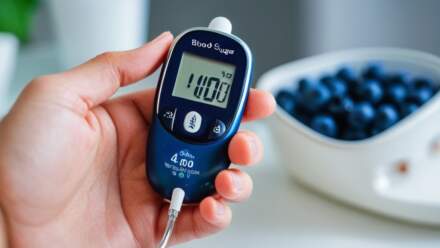
Individuals with chronic conditions may experience emergencies differently than those without such health issues. For example, someone with diabetes might recognize that their blood sugar levels are dangerously low before symptoms escalate into a crisis. However, they may also overlook other serious symptoms due to their familiarity with their condition.
It’s crucial for caregivers and loved ones to understand the specific signs that indicate an emergency for those with chronic illnesses. For instance, sudden changes in mental status in someone with dementia could signal an infection or other serious issue requiring immediate attention. Being aware of these nuances can lead to quicker responses and better health outcomes.
Understanding the Role of First Aid in Medical Emergencies
First aid plays a critical role in managing medical emergencies before professional help arrives. Basic first aid knowledge can empower individuals to provide immediate assistance during crises. For example, knowing how to perform CPR can save a life during cardiac arrest.
Additionally, first aid training teaches individuals how to assess situations and prioritize actions effectively. This training can include recognizing when to call for help and how to manage bleeding or choking incidents until emergency services arrive. Being prepared with first aid skills enhances community safety and individual confidence during emergencies.
Seeking Professional Help and Advice in Recognizing Medical Emergency Signs
When in doubt about recognizing medical emergency signs, seeking professional help is always advisable.
Many organizations provide resources and training on recognizing emergencies and administering first aid.
Consider attending workshops or courses offered by local health organizations or community centers. These programs often cover essential topics related to emergency response and first aid techniques. By equipping yourself with knowledge and skills, you’ll be better prepared to handle emergencies confidently and effectively.
In conclusion, recognizing medical emergency signs is crucial for everyone. Understanding the differences between minor ailments and true emergencies can save lives. By being aware of common signs and knowing when to seek help, you empower yourself and those around you to act swiftly during critical moments.
Whether caring for children, the elderly, pregnant women, or individuals with chronic conditions, awareness is key. First aid knowledge further enhances your ability to respond effectively until professional help arrives. Stay informed and prepared; it could make all the difference in an emergency situation.