
Imagine biting into a juicy apple. Is it as healthy as it looks? Food safety ensures your meals are not only delicious but also kind to your body. Simple steps keep you and your family well. Let’s explore how to eat smartly and safely.
Food safety protects you from harm. It prevents illness from contaminated food. This is crucial for everyone’s well-being.
What is Foodborne Illness?
Foodborne illness comes from eating bad food. Bacteria, viruses, or toxins cause it. Symptoms can range from mild to severe.
Why is Food Safety Important?
It keeps us healthy and strong. Preventing illness saves healthcare costs. It builds trust in our food supply.
Keeping Your Kitchen Clean
Your kitchen is the heart of food preparation. Clean surfaces stop germs from spreading. This is a basic but vital step.
Wash Your Hands Often
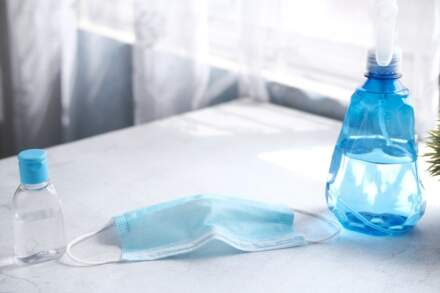
Hands touch many things. Washing them removes germs. Use warm water and soap. Lather for at least 20 seconds. Sing “Happy Birthday” twice. This habit is a game-changer.
Sanitize Surfaces
Countertops and cutting boards can harbor bacteria. Clean them after each use. Use hot, soapy water. Consider a diluted bleach solution for tougher jobs. This prevents cross-contamination.
Wash Produce Thoroughly
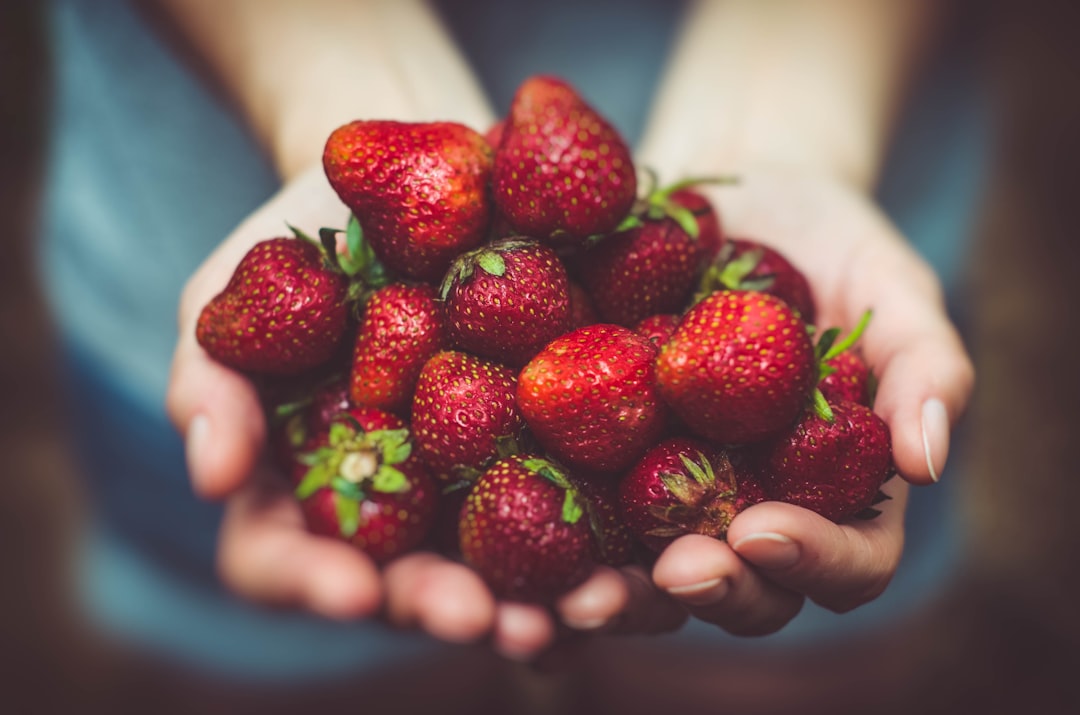
Fruits and vegetables can carry germs. Rinse them under running water. Scrub firm produce like potatoes. Do this even if you plan to peel them. It removes dirt and residues.
Cooking Food Safely

Cooking kills harmful microorganisms. Using the right temperature is key. This ensures food is safe to eat.
Use a Food Thermometer
Don’t guess if food is cooked. A thermometer is your best friend. Insert it into the thickest part. Avoid touching bones or fat. Ensure it reaches the recommended internal temperature.
Safe Cooking Temperatures
Different foods need different heats. Poultry needs 165°F (74°C). Ground meats need 160°F (71°C). Fish needs 145°F (63°C). These temperatures kill pathogens.
Thawing Food Properly
Never thaw food at room temperature. This allows bacteria to multiply. Thaw in the refrigerator. You can also use cold water or the microwave. Cook immediately after microwave thawing.
Preventing Cross-Contamination
Cross-contamination mixes germs from one food to another. This often happens during preparation. It’s a common source of illness.
Separate Raw and Cooked Foods
Keep raw meats separate from ready-to-eat items. Use different cutting boards. Store raw meat on the bottom shelf of the fridge. This stops drips from contaminating other foods.
Clean Utensils and Plates
Don’t reuse utensils for cooked food. This can spread germs from raw food. Wash them thoroughly. Use clean plates for serving.
Storing Food Safely
| Food Safety Metric | Value |
|---|---|
| Foodborne Illness Cases | 10,000 |
| Food Inspection Violations | 500 |
| Food Recalls | 20 |
| Food Safety Training Hours | 5,000 |
Proper storage slows bacterial growth. It keeps food fresh and safe. This applies to both cold and hot storage.
Refrigerate Promptly
Perishable foods need cold. Refrigerate them within two hours. If the temperature is over 90°F (32°C), refrigerate in one hour. This is the “danger zone” for bacteria.
Chill Leftovers Correctly
Store leftovers in shallow containers. This helps them cool faster. Divide large amounts of food. This ensures quicker chilling. Keep your fridge at 40°F (4°C) or below.
Understand the “Danger Zone”
Bacteria grow rapidly between 40°F (4°C) and 140°F (60°C). Minimize the time food spends here. This range is called the danger zone. It’s a critical concept for food safety.
Making Healthy Choices: Nutrition and Safety
Eating healthy goes hand-in-hand with food safety. You want nutrients without the risk. The FDA and USDA guide these choices.
Understanding Food Labels
Labels offer vital information. They tell you what’s in your food. Look for nutrition facts. Check ingredient lists carefully. This helps you make informed decisions.
The Rise of Processed Foods
Many foods undergo significant processing. Ultra-processed foods often contain additives. New guidelines encourage “real food.” They suggest limiting added sugars and unhealthy fats.
New Nutrition Guidelines
The USDA is updating nutrition advice. New guidelines emphasize whole foods. They promote foods like meat and full-fat dairy. Advice will be tailored for different life stages.
Labeling for Transparency
Front-of-package labeling is becoming more common. This highlights key nutrition information. It helps you quickly assess food quality. Some states provide warnings on certain ingredients.
Additives and Colors
The FDA is reviewing food additives. Some petroleum-based dyes will be phased out. This aims to improve food quality. Reform is also happening with GRAS substances. GRAS means Generally Recognized As Safe. Mandatory notices will be required for new GRAS uses. This increases oversight.
Specific Food Safety Concerns
Certain foods require extra attention. Understanding these risks is important. This includes produce and dairy.
Produce Safety Initiatives
The FDA is expanding produce safety training. This covers agricultural water and sprouts. Pilots focus on cantaloupe and leafy greens. Partnerships with Mexico also enhance safety.
Dairy and Egg Safety
Producers of dairy and eggs are receiving education. This promotes safer handling. Reviews of cheese aging processes also occur. These steps protect consumers.
Heavy Metals and Contaminants
Concerns exist about heavy metals in food. The FDA is collecting data on things like PFAS. They are also looking at caffeine and allergens. Their Human Foods Program has priorities for 2026. This includes chemical safety.
Industry’s Role in Food Safety
The food industry plays a large part. They implement safety measures daily. FMI, a food industry association, highlights priorities.
Industry Priorities
Traceability is a key focus. This means tracking food from farm to table. Produce safety and chemical safety remain crucial. Sanitation helps prevent contamination.
Traceability Rule Implementation
A new traceability rule is in effect. It helps identify and remove bad food faster. This is part of the FSMA law. It improves response times during outbreaks.
Your Actionable Food Safety Tips
Putting knowledge into practice keeps you safe. These are simple, effective steps.
Shop Smartly
Check “sell-by” dates. Don’t buy damaged packaging. Keep raw meats separate in your cart. Put cold items together.
Cook and Chill Wisely
Always cook to safe temperatures. Use a thermometer. Refrigerate leftovers promptly. Store in shallow containers.
When in Doubt, Throw It Out
If food looks or smells off, don’t risk it. Discard it. Your health is more important. This principle is crucial.
Stay Informed
Food safety guidelines evolve. Public health organizations provide updates. Reliable sources offer valuable information. Awareness empowers you to make good choices.
By following these guidelines, you contribute to a healthier you. Food safety is a shared responsibility. Enjoy your meals with confidence and peace of mind. It’s about making smart choices every day.
FAQs
What is food safety?
Food safety refers to the handling, preparation, and storage of food in a way that prevents foodborne illness and contamination. It involves practices and procedures to ensure that food is safe to eat.
Why is food safety important?
Food safety is important because consuming contaminated or improperly handled food can lead to foodborne illnesses, which can cause serious health problems. Proper food safety practices also help to prevent food waste and ensure the quality of the food.
What are some common food safety practices?
Common food safety practices include washing hands and surfaces often, separating raw and cooked foods, cooking foods to the right temperature, refrigerating perishable foods promptly, and avoiding cross-contamination.
What are some common foodborne illnesses?
Common foodborne illnesses include salmonella, E. coli, listeria, and norovirus. These illnesses can cause symptoms such as nausea, vomiting, diarrhea, and fever.
How can consumers ensure food safety when purchasing and preparing food?
Consumers can ensure food safety by purchasing food from reputable sources, checking expiration dates, properly storing and handling food, cooking food to the right temperature, and following safe food handling practices.