
Feeling sluggish? Your next workout might not be the culprit. Sometimes, the simplest solution to peak performance is right in front of you. It’s the clear liquid we often take for granted: water.
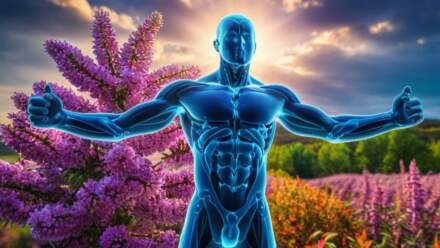
Your body relies heavily on water. It makes up a significant portion of your body weight. Water keeps cells functioning. It also transports nutrients and oxygen.
Every Cell Needs Water
Think of your cells like tiny factories. Water is essential for their operations. It dissolves substances. It allows for chemical reactions. Without enough water, the factories slow down.
Fluid Balance is Key
Your body maintains a delicate fluid balance. This balance impacts many bodily functions. It includes temperature regulation. It also affects blood flow. Maintaining this balance is vital for optimal performance.
Hydration and Physical Performance
When you exercise, you lose water. This loss happens through sweat. Even mild dehydration can hurt your performance. It makes your body work harder.
Sweating It Out
Sweat cools your body. It’s a crucial cooling mechanism. But it depletes your fluid stores. Replacing lost fluids is essential. This is true for all activities.
Endurance Suffers First
Dehydration impacts endurance significantly. Your muscles get tired faster. Your heart rate increases. This makes tough workouts feel even harder. Imagine trying to run a marathon with a heavy backpack. That’s what dehydration feels like for your body.
Strength and Power Decline
It’s not just endurance. Strength and power also decrease. Muscle contractions become less efficient. This affects lifting weights. It also impacts quick movements. Even a small drop in hydration matters.
Cognitive Effects on the Field
Performance isn’t just physical. It’s mental too. Dehydration can impair focus. It affects decision-making. This is critical in sports or demanding tasks. You might miss that crucial pass. Or your reaction time could be slower.
Understanding Dehydration Signs
Your body sends signals when it needs water. Learning these signs is important. Early recognition prevents bigger problems. Don’t wait until you feel very thirsty.
Thirst as a Signal
Thirst is a common sign. But it usually means you’re already a little dehydrated. Your body is already behind. It’s better to drink before you feel parched. Think of it like a warning light on your car.
Urine Color Tells a Story
Your urine color is a good indicator. Pale yellow urine means you are likely well-hydrated. Dark yellow or amber urine suggests dehydration. Aim for that light, clear color. Like light lemonade.
Other Symptoms to Watch
Other signs include dry mouth. You might feel dizzy. Headaches are common. Feeling fatigued is another clue. If you experience these, drink more water.
Hydration Strategies for Activity
Proper hydration involves planning. It’s not just drinking when thirsty. It requires a proactive approach. This applies to athletes and active individuals.
Pre-Exercise Hydration
Start hydrating before your activity. Drink fluids in the hours leading up. This ensures you begin well-hydrated. A good strategy is to sip water consistently. Don’t chug large amounts at once. This can make you feel full.
During-Exercise Hydration
During prolonged or intense exercise, drink regularly. Aim for sips every 15-20 minutes. The amount needed varies. Factors include intensity and climate. Listen to your body’s cues.
Post-Exercise Replenishment
Replenish fluids lost during exercise. Drink water or electrolyte drinks. Continue sipping until your urine is pale. This helps in recovery. It aids muscle repair.
Electrolytes Matter Too
For activities lasting over an hour, electrolytes are important. These are minerals like sodium and potassium. They help your body absorb water. They also help maintain fluid balance. Sports drinks can provide these.
Tailoring Your Hydration Plan
| Hydration Metric | Value |
|---|---|
| Water intake | 8 glasses per day |
| Hydration level | Optimal: 90-100% |
| Hydration benefits | Improved skin health, better digestion, and increased energy |
Everyone’s needs are different. Your personal hydration plan should reflect this. Consider various factors for best results.
Intensity and Duration
High-intensity workouts require more fluids. Longer duration activities also increase needs. A short walk needs less water than a marathon. Adjust your intake accordingly.
Environmental Factors
Hot and humid weather increases sweat loss. You will need to drink more. Cold, dry air can also dehydrate you. Acclimatize to new environments. This includes adjusting fluid intake.
Individual Differences
Body size influences fluid needs. Some people naturally sweat more. Medical conditions can also affect hydration. Consult a doctor for personalized advice. They can help you understand your specific needs.
Smart Hydration Choices
What you drink matters. Water is the best choice for most situations. Other beverages can play a role.
Water: The Gold Standard
Plain water is usually sufficient. It’s calorie-free. It’s readily available. It’s the purest way to hydrate. Make it your primary drink.
When to Consider Other Options
For long endurance events, sports drinks help. They provide carbohydrates and electrolytes. These aid energy replenishment. They also prevent hyponatremia. This is a dangerous condition.
What to Limit
Sugary drinks can be counterproductive. They add unnecessary calories. They can also cause stomach upset. Caffeinated beverages can have a mild diuretic effect. Moderation is key with these.
Actionable Hydration Tips
Here are simple ways to improve your hydration. Integrate these into your daily routine.
Carry a Water Bottle
Always have a water bottle with you. Keep it visible. This serves as a constant reminder. Refill it throughout the day. It’s an easy habit to build.
Set Reminders
Use your phone or smartwatch. Set alarms to remind you to drink. This is especially helpful if you forget. Automate your hydration.
Flavor Your Water (Naturally)
If plain water is boring, add flavor. Use slices of lemon, lime, or cucumber. Berries or mint also work well. This adds appeal. It encourages more drinking.
Eat Hydrating Foods
Many fruits and vegetables have high water content. Watermelon, strawberries, and cucumbers are great examples. Include these in your diet. They contribute to your overall fluid intake.
Monitor Your Body
Pay attention to how you feel. Notice signs of thirst or fatigue. Adjust your drinking habits as needed. Your body provides valuable feedback. Listen to it.
Hydrate Before, During, and After
Make it a routine. Drink water before you start. Sip during your activity. Replenish fluids afterward. Consistent hydration is key.
By prioritizing proper hydration, you equip your body. You unlock its true potential. You perform better. You feel better. It’s a simple yet powerful strategy. Invest in your well-being. Drink up.
FAQs
What is hydration?
Hydration refers to the process of providing adequate fluids to the body to maintain proper function and health. It involves consuming water and other fluids to prevent dehydration.
Why is hydration important?
Hydration is important for overall health and well-being as it helps regulate body temperature, lubricate joints, protect sensitive tissues, and maintain proper bodily functions. Dehydration can lead to serious health issues.
How much water should I drink each day?
The general recommendation is to drink at least 8-10 cups (64-80 ounces) of water per day, but individual needs may vary based on factors such as age, gender, activity level, and climate.
What are the signs of dehydration?
Signs of dehydration include dark yellow urine, dry mouth, fatigue, dizziness, headache, and decreased urine output. Severe dehydration can lead to confusion, rapid heartbeat, and fainting.
What are some tips for staying hydrated?
Some tips for staying hydrated include drinking water throughout the day, consuming water-rich foods, avoiding excessive caffeine and alcohol, and monitoring urine color to gauge hydration levels.