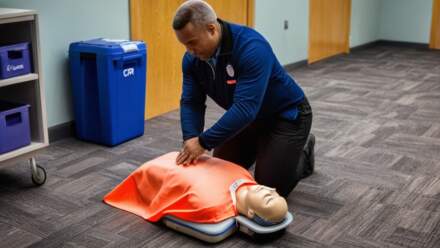

Parenting brings immense joy. It also brings significant responsibility. Keeping children safe is paramount. This guide offers essential safety tips.
Car crashes are a leading cause of death for young people. Proper car seat use saves lives. Every ride needs strict safety measures.
Car Seat Installation
Install car seats correctly. Follow manufacturer instructions every time. Many resources offer installation help. A correctly installed seat protects your child.
Thin layers are best under car seat straps. Bulky coats create unsafe gaps. These gaps reduce crash protection. Layering keeps children warm and secure.
Teens learning to drive need practice. Supervised practice reduces crash risks. Graduated licensing helps new drivers. Reinforce safe driving habits early.
Home Safety Measures
Your home should be a safe haven. Many common household items pose risks. Childproofing prevents preventable accidents. A secure home protects curious children.
Hazard Identification
Store medicines out of reach. Keep them in their original containers. Lock cabinets containing cleaning supplies. Poisons are dangerous for small hands.
Button batteries are very dangerous. They can cause internal burns. Keep them far from children. Secure devices using these batteries.
Furniture and TVs can tip over. Falling objects cause serious injuries. Secure tall items to walls. Use safety straps or anchors.
Install smoke detectors on every level. Carbon monoxide detectors are also vital. Test these detectors monthly. Replace batteries twice a year.
Lead exposure is harmful for children. Check older homes for lead paint. Test water for lead if concerned. Take steps to mitigate lead risks.
Water safety is crucial. Drowning can happen quickly. Never leave children unsupervised near water. This includes bathtubs and pools.
Winter Weather Protection
Winter brings snow and fun. It also brings cold weather hazards. Protect children from the elements. Proper preparation ensures safe play.
Dressing for Cold Weather
Dress children in warm layers. A hat, gloves, and boots are essential. Multiple layers trap warmth better. Children stay comfortable and safe.
Wet clothes increase heat loss. Change wet clothing immediately. This prevents hypothermia. Keep spare dry clothes handy.
Watch for signs of hypothermia. Shivering, confusion, and slurred speech are warnings. Frostbite can damage skin. Cover exposed skin in cold weather.
Supervise outdoor play closely. Children can get disoriented in snow. Ensure they stay in safe areas. Avoid busy streets and traffic.
Screen Time Guidelines
Screens are part of modern life. Setting limits protects children’s development. Balanced screen use is important. It supports healthy habits.
Establishing Boundaries
Limit screen time during meals. Family mealtime is for connection. Screens distract from conversation. Encourage mindful eating habits.
Avoid screens in the car. Encourage looking out the window instead. This promotes observation skills. It also reduces car sickness.
Limit screens after school. This frees time for other activities. Outdoor play and homework are important. Protect sleep with no screens before bed.
Excessive screen time affects sleep. It can disrupt natural sleep cycles. Promote a consistent bedtime routine. Create a screen-free bedroom environment.
Safe Play Environments
| Category | Metric | Value |
|---|---|---|
| Car Safety | Car Seat Usage | 85% |
| Home Safety | Childproofing | 90% |
| Online Safety | Parental Controls | 70% |
Play is essential for development. Ensure play areas are safe. Supervision prevents many accidents. Teach children about safety rules.
Playground Safety
Choose age-appropriate playgrounds. Check for safe surfacing material. Look for broken equipment. Report any hazards promptly.
Biking is great exercise. Always wear helmets when biking. Ensure helmets fit properly. Helmets protect against head injuries.
Sun exposure needs management. Use sunscreen regularly. Seek shade during peak hours. Protect skin from harmful UV rays.
Teach children about strangers. Discuss safe interactions. Give them strategies to use. Emphasize never going with strangers.
Gun safety starts at home. Store all firearms securely. Keep guns unloaded and locked. Ammunition should be stored separately.
Building Safety Habits
Safety is a learned skill. Teach children proactive habits. Practice scenarios together. Empower them to make safe choices.
Role-Playing Scenarios
Role-play greeting new people. Teach appropriate boundaries. Practice saying “no” firmly. This builds confidence and assertiveness.
Teach children self-advocacy. Encourage them to speak up. They should voice discomfort or fear. Empower their decision-making.
Create a family safety binder. Include emergency contacts. List medical information. Have a plan for different emergencies.
Develop a home escape plan. Practice fire drills regularly. Designate a meeting spot outside. Everyone should know the plan.
Be present emotionally. Children need to feel heard. A secure emotional base fosters resilience. They will feel safe to share concerns.
Your ongoing vigilance is key. These tips provide a strong foundation. Children thrive when they feel safe. Continuous effort ensures their well-being.
FAQs
What are some common child safety hazards in the home?
Some common child safety hazards in the home include sharp objects, choking hazards, electrical outlets, hot surfaces, and stairs.
How can parents and caregivers ensure child safety in the home?
Parents and caregivers can ensure child safety in the home by installing safety gates, securing furniture to the wall, keeping small objects out of reach, covering electrical outlets, and using stove knob covers.
What are some important safety tips for children when they are outside the home?
Important safety tips for children when they are outside the home include teaching them to look both ways before crossing the street, wearing helmets when riding bikes or scooters, and staying with a trusted adult in public places.
What should parents and caregivers do in case of an emergency involving a child?
In case of an emergency involving a child, parents and caregivers should have important contact numbers readily available, know basic first aid, and have a plan for how to respond to different types of emergencies.
How can technology be used to enhance child safety?
Technology can be used to enhance child safety through the use of GPS tracking devices, child safety apps, and home security systems with video monitoring.