

Imagine tiny warning lights on your car’s dashboard. You might not notice them at first. But ignoring them could lead to a breakdown. Your body has similar signals. Regular health screenings are like tuning up your internal systems. They catch potential problems early. This proactive approach keeps you feeling your best.
Health screenings are diagnostic tests. They check for diseases before symptoms appear. Early detection dramatically improves outcomes. It often means simpler treatments. This saves you pain and worry down the road. Think of it as getting ahead of the game.
What Are Health Screenings?
Screenings look for specific health conditions. Doctors use various tests. These might include blood work or imaging. They assess your risk factors too. Your age and family history matter. These tests provide valuable insights.
Why Early Detection Matters
Catching diseases early is crucial. Many serious illnesses are treatable. But only if found in their initial stages. For example, some cancers have high survival rates. This is true when detected early. It also reduces the need for aggressive interventions.
Tailoring Screenings to You
Not everyone needs the same tests. Your individual needs vary. Factors like age, sex, and lifestyle play a role. Your doctor helps determine the right screenings. They consider your personal health history. Your family’s health history is also important.
Age-Appropriate Screenings
As you age, your risks change. Certain conditions become more common. Screenings adapt to these age-related shifts. For instance, prostate cancer screenings differ by age. So do mammograms for women. Your doctor guides these decisions.
Sex-Specific Considerations
Men and women have different health concerns. Some diseases affect one sex more than the other. Screenings account for these biological differences. Pap tests screen for cervical cancer. Colonoscopies screen for colorectal cancer. These are vital for everyone.
Lifestyle and Genetic Risks
Your daily habits impact your health. Smoking and diet influence disease risk. Genetics also play a role. Some people inherit predispositions. Screenings can identify these risks. They allow for targeted prevention strategies.
Key Screenings for Adults
Several common screenings are recommended. They cover a range of potential health issues. Understanding these can empower you. Discussing them with your doctor is essential. They will create a personalized plan.
Cardiovascular Health Checks
Heart disease is a leading cause of death. Screenings help assess your risk. Blood pressure checks are routine. Cholesterol tests are also common. These identify early signs of trouble.
Blood Pressure Monitoring
High blood pressure often has no symptoms. It damages arteries over time. Regular checks are vital. A simple cuff measures your pressure. Lowering it can prevent heart attacks.
Cholesterol and Lipid Panels
Cholesterol levels indicate heart health. High LDL (“bad”) cholesterol builds up. This impedes blood flow. Lipid panels reveal these levels. Lifestyle changes can improve them.
Cancer Detection Screens
Screening for various cancers offers hope. Early detection vastly improves survival. It allows for less invasive treatments. Talk to your doctor about your risks.
Mammograms for Breast Cancer
Breast cancer is a common concern for women. Mammograms detect tumors early. Early detection leads to better outcomes. Guidelines vary by age and risk.
Colonoscopies for Colorectal Cancer
Colorectal cancer affects men and women. Colonoscopies are highly effective. They find polyps before they become cancerous. Routine screening starts at a certain age. It can be a life-saver.
Pap Smears and HPV Tests
Cervical cancer is largely preventable. Pap smears and HPV tests screen for it. They detect abnormal cells early. Regular screening is crucial for women.
Diabetes Screening
Diabetes can damage organs over time. Early detection is key. Blood sugar tests identify diabetes. Managing it prevents severe complications. It helps maintain your quality of life.
Glucose and A1C Tests
These blood tests measure sugar levels. They diagnose prediabetes and diabetes. Simple changes can manage these conditions. They prevent long-term health issues.
Mental Wellness is Physical Wellness
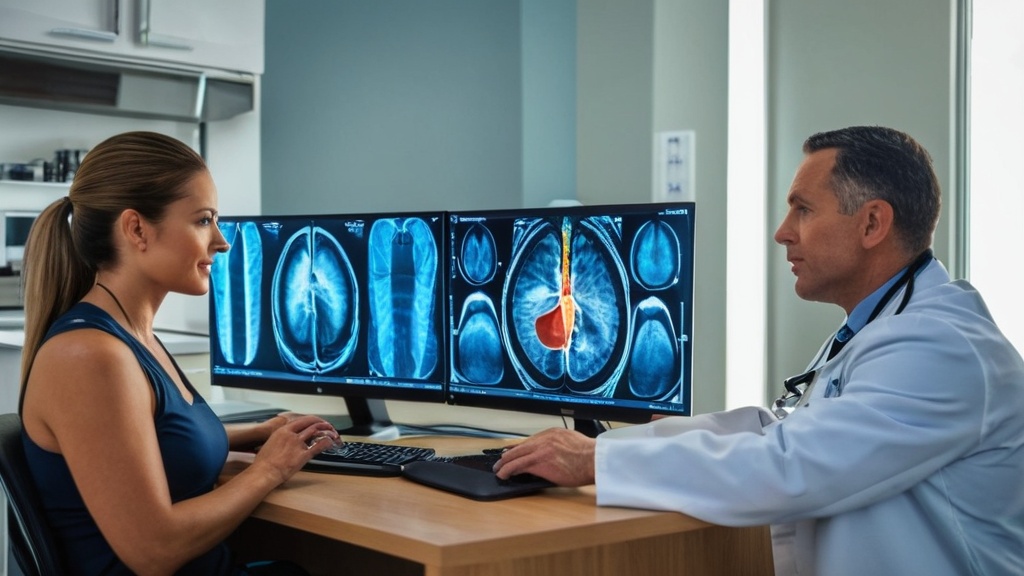
Your mind and body are connected. Mental health screenings are important. They address issues like depression and anxiety. Treating these improves overall well-being. Don’t neglect your psychological health.
Depression and Anxiety Screening
Mental health conditions are common. They affect people of all ages. Screenings help identify these issues early. Professional help can make a big difference. It supports your emotional resilience.
Substance Use Screening
When needed, screenings can assess substance use. This can involve open conversations. Identifying issues early leads to support. It promotes healthier choices and recovery.
Actionable Steps for a Healthier You
| Health Screening Type | Frequency | Recommended Age |
|---|---|---|
| Blood Pressure | Every 2 years | Starting at age 18 |
| Cholesterol | Every 4-6 years | Starting at age 20 |
| Blood Sugar | Every 3 years | Starting at age 45 |
| Colonoscopy | Every 10 years | Starting at age 50 |
Taking charge of your health is empowering. Regular screenings are a vital part of this. They are an investment in your future. Discuss your needs with a healthcare provider.
Schedule Your Appointments
Don’t wait for symptoms. Proactively schedule your screenings. Mark them on your calendar. Consider setting reminders. Consistent action yields the best results.
Discuss Your Concerns with Your Doctor
Your doctor is your partner in health. Be open about your history. Ask questions about recommended tests. They provide personalized guidance. Trust their expertise.
Understand Your Results
When you get results, review them. Ask for clarification if needed. Understand what the numbers mean. This knowledge helps you make informed decisions. It supports your ongoing wellness journey.
Maintain a Healthy Lifestyle
Screenings are just one piece of the puzzle. A balanced diet and exercise are crucial. Sufficient sleep and stress management help. These practices complement your screenings. They build a strong foundation.
Regular health screenings are not just about finding illness. They are about maintaining wellness. They help you live a longer, healthier life. Be proactive. Your body will thank you.
FAQs
What are health screenings?
Health screenings are tests or exams that are used to detect potential health problems or diseases before symptoms appear. They are an important part of preventive healthcare and can help identify issues early on when they are easier to treat.
Why are health screenings important?
Health screenings are important because they can help detect potential health problems early, when treatment is most effective. They can also help individuals understand their current health status and make informed decisions about their healthcare.
What are some common health screenings?
Common health screenings include blood pressure checks, cholesterol tests, mammograms, Pap smears, colonoscopies, and blood glucose tests. The specific screenings recommended for an individual may vary based on factors such as age, gender, and family history.
When should I start getting health screenings?
The recommended age to start getting health screenings varies depending on the specific test and individual factors. It’s important to discuss screening recommendations with a healthcare provider, who can provide personalized guidance based on factors such as age, gender, and family history.
How often should I get health screenings?
The frequency of health screenings can vary based on individual factors such as age, gender, and family history, as well as the specific test being performed. It’s important to discuss screening frequency with a healthcare provider, who can provide personalized recommendations based on individual health needs.