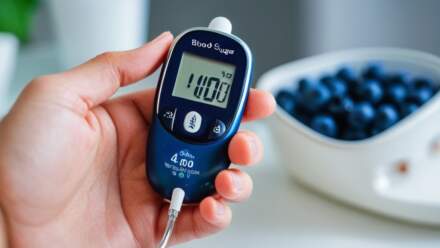

Imagine a future where you feel more energetic and vibrant. You can achieve this by taking charge of your health today. Simple lifestyle changes can significantly reduce your risk of type 2 diabetes. Let’s explore how.
Type 2 diabetes is a chronic condition. Your body either doesn’t make enough insulin. Or it can’t use insulin effectively. Insulin is a hormone. It helps sugar from food move into your cells. This sugar provides energy.
What Happens in Type 2 Diabetes?
When insulin doesn’t work well, sugar builds up. This excess sugar in your blood is high blood glucose. Over time, this can damage your body. It affects your eyes, kidneys, and nerves. It also increases your risk of heart disease.
Is it Preventable?
Yes, type 2 diabetes is often preventable. Many risk factors are within your control. You can make choices now to protect your future health. Focus on manageable steps.
The Power of Healthy Eating
What you eat has a big impact. A balanced diet is key to preventing diabetes. It helps maintain a healthy weight. It also keeps your blood sugar stable. Think of food as fuel for your body.
Choose Whole Foods
Opt for foods in their natural state. Fruits, vegetables, and whole grains are excellent. They provide essential vitamins and fiber. Fiber helps you feel full. It also slows sugar absorption.
Wise Carb Choices
Not all carbohydrates are created equal. Refined grains like white bread offer little nutrition. They can cause blood sugar spikes. Choose whole-wheat bread, brown rice, and oats instead. These release sugar slowly.
Embrace Healthy Fats
Fats are essential, but choose wisely. Unsaturated fats are good for you. Find them in avocados, nuts, and olive oil. Limit saturated and trans fats found in fried foods and processed snacks.
Lean Protein Sources
Protein is vital for building and repairing tissues. Lean meats, poultry, fish, and beans are good choices. They can help you feel satisfied after meals.
What to Limit
Sugary drinks cause rapid blood sugar increases. Sodas, juices, and sweetened teas are prime examples. Limit sweets, cakes, and cookies. These desserts offer empty calories. They also contribute to weight gain.
Portion Control Matters
Eating too much, even healthy food, can lead to weight gain. Being overweight is a major risk factor. Use smaller plates. Pay attention to your body’s hunger cues. Eat slowly and mindfully.
Reading Food Labels
Learn to decipher nutrition labels. Look for serving sizes. Pay attention to sugar and fiber content. This helps you make informed decisions. A quick glance can reveal hidden sugars.
Staying Active for Health

Regular physical activity is a cornerstone of prevention. Exercise helps your body use insulin better. It also helps you manage your weight. Start small and build up.
Aim for Regular Movement
Most adults need at least 150 minutes of moderate aerobic activity per week. This is about 30 minutes, five days a week. It does not have to be all at once. Break it into shorter sessions.
Find Activities You Enjoy
Walking, jogging, swimming, and dancing all count. Choose something fun. This makes it easier to stick with it. Explore local parks or community centers.
Incorporate Strength Training
Building muscle also helps. Muscle burns more calories than fat. It also improves insulin sensitivity. Aim for strength training exercises twice a week. Lift weights, use resistance bands, or do bodyweight exercises.
Make Movement a Habit
Find ways to move more throughout your day. Take the stairs instead of the elevator. Park further away from your destination. Get up and walk around during commercial breaks. Little changes add up significantly.
Listen to Your Body
Start slowly if you are new to exercise. Gradually increase intensity and duration. Avoid overexertion. If you have health concerns, consult your doctor first.
Managing Your Weight Wisely
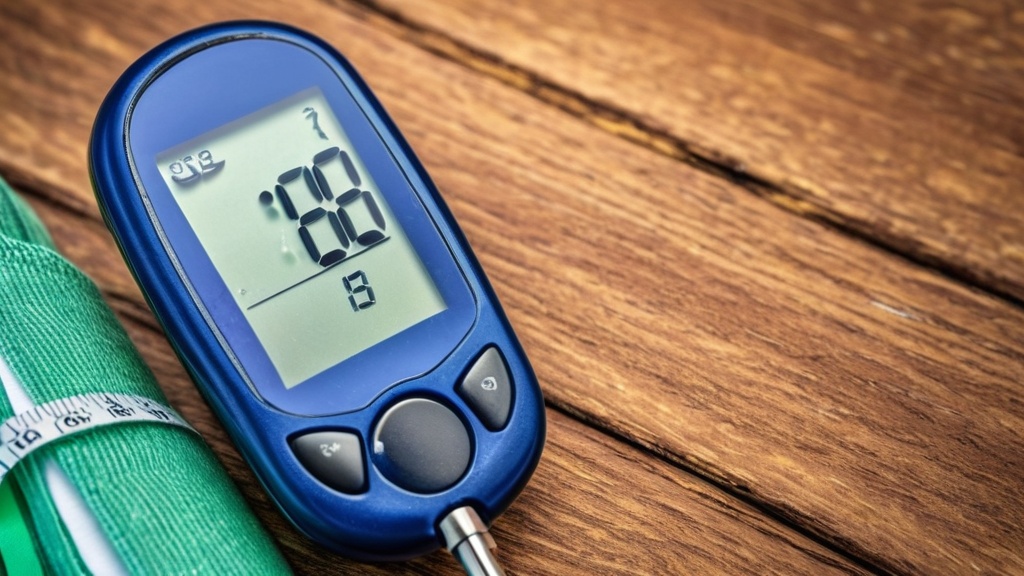
Maintaining a healthy weight is crucial. Excess body fat, especially around the waist, increases risk. It makes your body more resistant to insulin. Weight loss can be a powerful tool.
Gradual and Sustainable Loss
Aim for a slow, steady weight loss of 1-2 pounds per week. Rapid weight loss is often hard to maintain. Focus on sustainable dietary and exercise changes. This ensures long-term success.
Set Realistic Goals
Don’t aim for drastic changes overnight. Break down your weight loss journey into smaller, achievable milestones. Celebrate your successes along the way. This keeps you motivated.
Healthy Habits for Weight Management
Combine healthy eating with regular exercise. Portion control is essential. Reduce intake of high-calorie, low-nutrient foods. Seek support from friends, family, or a registered dietitian.
Monitor Your Progress
Regularly check your weight. This provides feedback. It also helps you adjust your plan if needed. Avoid obsessing over daily fluctuations. Focus on the overall trend.
Prioritizing Sleep Quality
| Metrics | Data |
|---|---|
| Number of people at risk for type 2 diabetes | 84 million |
| Percentage of adults with prediabetes | 33.9% |
| Percentage of prediabetes cases that progress to type 2 diabetes | 15-30% |
| Percentage of type 2 diabetes cases that can be prevented | 70% |
Good sleep is vital for overall health. It impacts hormone balance, including those regulating appetite and blood sugar. Lack of sleep can lead to cravings and weight gain. It also affects insulin sensitivity.
Aim for Sufficient Sleep
Most adults need 7-9 hours of quality sleep per night. Establish a regular sleep schedule. Go to bed and wake up around the same time each day. This includes weekends.
Create a Relaxing Bedtime Routine
Wind down before bed. Avoid screens for an hour before sleep. Read a book or take a warm bath. Make your bedroom dark, quiet, and cool. This optimizes sleep conditions.
Address Sleep Disturbances
If you struggle with sleep, talk to your doctor. Underlying issues like sleep apnea can be treated. Improving sleep hygiene can make a big difference. Better sleep leads to better health choices.
Managing Stress Effectively
Chronic stress can negatively affect your health. It can lead to poor food choices and disrupt sleep. Stress hormones can also impact blood sugar levels. Find healthy ways to cope.
Identify Your Stressors
Recognize what triggers your stress. Once identified, you can develop strategies to manage them. This might involve time management or setting boundaries.
Practice Relaxation Techniques
Deep breathing exercises can calm your nervous system. Meditation and yoga are also beneficial. Even a few minutes of mindfulness can help. Find what works best for you.
Seek Support When Needed
Don’t hesitate to talk to someone. Sharing your feelings can be a relief. Connect with friends, family, or a therapist. Support systems are invaluable.
Regular Health Check-ups
Visiting your doctor regularly is important. They can monitor your health. They can also identify early signs of diabetes. Early detection leads to better outcomes.
Know Your Risk Factors
Talk to your doctor about your personal risk. Factors like family history and age play a role. Your doctor can provide tailored advice. They can assess your individual situation.
Blood Glucose Monitoring
Your doctor may perform tests to check your blood sugar levels. This includes A1C tests. These tests show your average blood sugar over months. They are key for diagnosing diabetes.
Follow Medical Advice
If your doctor recommends lifestyle changes, follow them. They are based on your specific health needs. Adhering to their guidance supports your prevention efforts. Your health journey is unique.
By implementing these tips, you invest in a healthier, more energetic future. Small, consistent changes create a significant impact. Empower yourself to live well and reduce your risk of type 2 diabetes.
FAQs
What is type 2 diabetes?
Type 2 diabetes is a chronic condition that affects the way the body processes blood sugar (glucose). It occurs when the body becomes resistant to insulin or doesn’t produce enough insulin to maintain normal glucose levels.
What are the risk factors for developing type 2 diabetes?
Risk factors for type 2 diabetes include being overweight or obese, having a family history of diabetes, being physically inactive, having high blood pressure, and having a history of gestational diabetes.
How can type 2 diabetes be prevented?
Type 2 diabetes can be prevented or delayed through lifestyle changes such as maintaining a healthy weight, eating a balanced diet, engaging in regular physical activity, and avoiding tobacco use.
What are some dietary recommendations for preventing type 2 diabetes?
To prevent type 2 diabetes, it is recommended to consume a diet that is high in fiber, whole grains, fruits, vegetables, and lean proteins. Limiting the intake of processed foods, sugary beverages, and high-fat foods is also important.
What role does physical activity play in preventing type 2 diabetes?
Regular physical activity can help prevent type 2 diabetes by improving insulin sensitivity and helping to maintain a healthy weight. Aim for at least 150 minutes of moderate-intensity exercise per week, such as brisk walking, swimming, or cycling.