
Imagine a sudden flare-up, a dropped hot pan, or a splash of scalding liquid. Burn injuries happen in a blink, often when we least expect them. Knowing what to do immediately can make a world of difference for your well-being. Let’s explore the essential steps to manage burns safely and effectively.
Burns damage your skin. This protective outer layer is vital. Damage can range from mild redness to severe tissue destruction. The depth and size of the burn determine its seriousness.
Classifying Burn Severity
Doctors classify burns by depth. This helps guide treatment.
First-Degree Burns
These affect only the top layer of skin. They cause redness and mild pain. A sunburn is a common example. Your skin might feel warm to the touch.
Second-Degree Burns
These go deeper, to the next skin layer. They cause redness, pain, and blisters. The area may appear wet or shiny.
Third-Degree Burns
These destroy skin layers completely. They can reach nerves and underlying tissue. The burn site may look white or charred. Pain might be minimal initially due to nerve damage.
Fourth-Degree Burns
These extend through muscle and bone. They are the most severe type of burn. These often require specialized medical care.
The Role of Skin
Your skin is your largest organ. It acts as a barrier. It protects you from germs and fluid loss. Burns compromise this defense system. Proper first aid helps preserve this barrier.
Immediate Actions for Any Burn
When a burn occurs, swift action is key. Time is of the essence. Your goal is to stop the damage process.
The Power of Cool Water
This is the most critical first step. Run cool, not cold, water over the burn. Use tap water. Avoid ice or very cold water. These can further damage tissue. Aim for 5 to 20 minutes of continuous cooling. This helps prevent the burn from deepening. It also reduces pain and swelling. Think of it as dousing a smoldering ember. You want to extinguish it quickly. This stops the heat from cooking your cells.
Removing Constrictive Items
Jewelry and clothing can become a problem. As tissues swell, they tighten. This can cut off circulation. Remove rings, bracelets, and watches promptly. Cut away loose clothing around the burn. Do not pull off clothing stuck to the skin. Leave that to medical professionals. This prevents further tissue damage. Imagine a balloon inflating inside a tight glove. You need to release the pressure.
Protecting the Burned Area
Once cooled, cover the burn. Use a dry, sterile dressing. A clean cloth or gauze works well. Cling film can also be a good option for larger areas. This protects the injured skin. It prevents infection and irritation. It also provides a cushion against bumps. Avoid ointments, butter, or greasy substances. These trap heat. They can also increase infection risk.
Specific Steps for Different Burn Types
The initial response is similar, but severity dictates further needs.
Managing Minor Burns
Minor burns are usually first-degree or small second-degree burns. You can often manage these at home. Continue cooling the area. Pain relievers can help manage discomfort. Over-the-counter options like ibuprofen are effective. Keep the burn clean. Gently wash it daily with mild soap and water. Change the dressing as needed. Watch for signs of infection.
When to Seek Professional Help
Don’t hesitate to call for medical assistance. Major burns always require a doctor’s attention. Signs of a major burn include:
- Large size (larger than your palm).
- Deep burns (second or third degree).
- Burns on the face, hands, feet, or genitals.
- Burns in children or older adults.
- Electrical or chemical burns.
If you are unsure, err on the side of caution. Call your local emergency number.
Critcal Care for Major Burns
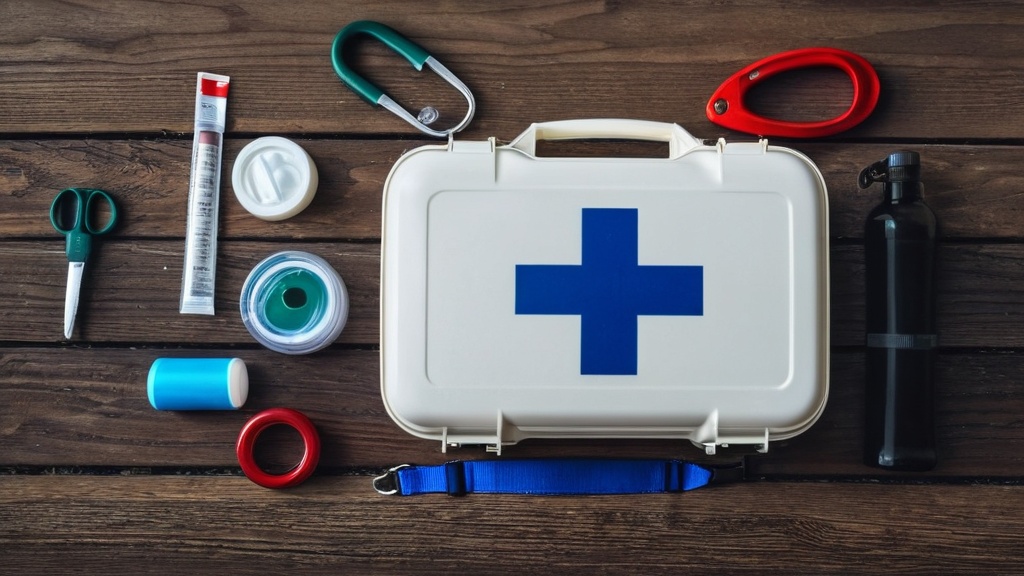
When dealing with significant burns, immediate emergency response is paramount.
The STOP, DROP, AND ROLL Mantra
This is for burns involving flames. If your clothing catches fire, stop. Do not run. Running fans the flames. Drop to the ground. Cover your face with your hands. Roll over and over. This smothers the fire. It’s a life-saving technique.
Ensuring Airway and Breathing
For severe burns, check if the person can breathe. Inhalation injuries are serious. Burns to the face or neck can affect airways. If breathing is difficult, try to keep them calm. Loosen any tight clothing. Elevate their head slightly if possible.
Preventing Shock
Major burns can lead to shock. Shock occurs when the body’s organs don’t get enough blood flow. Signs include clammy skin, rapid pulse, and confusion. Lay the person down. Elevate their legs gently if no head or neck injury is suspected. Keep them warm with a blanket.
Calling for Emergency Services
Dial your emergency number immediately. Provide clear details about the burn. Give your location and the person’s condition. Follow the dispatcher’s instructions. Help is on the way.
After the Immediate Burn Response
| Burn Type | Description | First Aid Steps | When to Seek Medical Help |
|---|---|---|---|
| First-degree burn | Affects only the outer layer of skin (epidermis); redness, minor inflammation, pain |
|
|
| Second-degree burn | Affects epidermis and part of dermis; redness, swelling, blistering, severe pain |
|
|
| Third-degree burn | Extends through all layers of skin; white or charred appearance, numbness due to nerve damage |
|
Always seek immediate medical attention |
Even minor burns need ongoing care. Major burns require hospitalization and specialized treatment.
Caring for Blisters
Do not break blisters intentionally. Blisters form a protective barrier. Breaking them increases infection risk. If a blister breaks on its own, clean the area gently. Apply a sterile dressing. Watch for signs of infection. Some doctors may choose to drain large, painful blisters in a sterile environment.
Infection Prevention
Cleanliness is crucial for healing. Wash your hands before touching a burn. Use mild soap and water. Pat the area dry gently. Apply a fresh, sterile bandage. Change bandages daily or if they become wet or dirty. Watch for increased redness, swelling, pus, or fever. These all signal infection.
Pain Management
Burns can be very painful. Over-the-counter pain relievers can help. Ibuprofen or acetaminophen are common choices. Follow the dosage instructions carefully. For severe pain, a doctor may prescribe stronger medication.
When to Revisit Medical Advice
Even with home care, monitor the burn. If pain worsens, or if the burn looks infected, see a doctor. If the burn doesn’t seem to be healing, seek advice. A healthcare professional can assess your progress. They can adjust your treatment plan if needed.
Common Mistakes to Avoid
Some actions, though well-intentioned, can harm burn victims.
The Danger of Ice and Heat
Never apply ice directly to a burn. Ice can cause frostbite. It restricts blood flow. This can damage already compromised skin. Similarly, do not apply heat. This will prolong the burning process. Stick to cool, running water.
The Myth of Home Remedies
Butter, oils, and creams are not your friends initially. These substances can trap heat. They create an environment for bacteria. They interfere with proper healing. Clean water is the best initial treatment. Ointments or specialized creams may be recommended later by a doctor.
Ignoring Significant Burns
A large or deep burn is not a wait-and-see situation. These injuries can have serious consequences. They can lead to dehydration, infection, and scarring. Prompt medical attention is essential. Delaying care can lead to more complex problems. Treat all serious burns as emergencies.
Resources for Burn Information
Reliable sources can provide further guidance.
Public Health Organizations
Organizations like the Mayo Clinic and the American Burn Association offer valuable information. Their websites provide detailed guides on burn care. They explain different burn types and treatments. They are excellent for understanding burn prevention too.
Scientific Literature
Medical journals publish research on burn management. These studies inform best practices. They detail the effectiveness of different therapies. While often technical, they form the evidence base for burn first aid.
By understanding these essential tips, you can face a burn emergency with confidence. Remember, quick, cool action can significantly improve outcomes. Always prioritize safety and seek professional help when needed. Your well-being is the ultimate goal.
FAQs
What should I do immediately after getting a burn?
Immediately cool the burn by running cool (not cold) water over the area for at least 10 to 20 minutes. This helps reduce pain, swelling, and the risk of further tissue damage. Avoid using ice or very cold water as it can cause additional injury.
When should I seek medical attention for a burn?
Seek medical help if the burn is larger than 3 inches, is on the face, hands, feet, genitals, or major joints, or if it is a third-degree (full-thickness) burn. Also, get medical care if the burn causes severe pain, blisters, or signs of infection such as increased redness, swelling, or pus.
Can I apply ointments or home remedies to a burn?
For minor burns, after cooling the area, you can apply a sterile, non-stick dressing. Avoid using butter, oils, toothpaste, or other home remedies as they can cause infection or interfere with healing. Over-the-counter burn creams or aloe vera gel may be used if recommended by a healthcare professional.
How do I care for blisters caused by burns?
Do not pop or break blisters, as they protect the underlying skin and reduce the risk of infection. If a blister breaks on its own, gently clean the area with water, apply an antibiotic ointment, and cover it with a sterile dressing.
What pain relief options are recommended for burn injuries?
Over-the-counter pain relievers such as ibuprofen or acetaminophen can help manage pain and reduce inflammation. Follow the dosage instructions on the label and consult a healthcare provider if pain persists or worsens.