
First Aid: Essential Emergency Response Skills
First aid is a vital competency that enables individuals to provide immediate assistance during emergencies. When confronted with situations such as traffic accidents or sudden medical events in public settings, proper first aid application can be critical. These skills allow responders to deliver temporary care while awaiting the arrival of medical professionals.
The timely intervention often stabilizes patients’ conditions and enhances recovery prospects. Knowledge of first aid techniques also builds self-assurance in emergency situations. Individuals trained in first aid protocols typically respond with purposeful action rather than hesitation when confronted with medical emergencies.
This decisive capability is particularly valuable in time-sensitive scenarios. Research by the American Red Cross indicates that prompt and appropriate first aid intervention can significantly decrease injury severity and prevent deaths in many cases.
Key Takeaways
- First aid knowledge is crucial for effectively responding to emergencies and potentially saving lives.
- Proper assessment of the situation ensures appropriate and safe first aid measures.
- Key skills include performing CPR, treating burns, managing bleeding, and handling choking incidents.
- Recognizing signs of shock and knowing how to treat fractures, sprains, and temperature-related emergencies are essential.
- Preparing a well-stocked first aid kit is vital for timely and effective emergency care.
Assessing the Situation
Before jumping into action, it’s essential to assess the situation carefully. Start by ensuring your safety and that of others around you. If you rush into a dangerous environment, you may become another victim.
Look for potential hazards, such as traffic, fire, or unstable structures. Once you confirm it’s safe, approach the injured person calmly. Next, evaluate the condition of the individual needing help.
Check for responsiveness by gently shaking their shoulder and asking if they are okay. If they respond, ask them what happened and where they feel pain. If they are unresponsive, call for emergency services immediately.
Gathering information about the incident can help medical professionals provide better care later.
Performing CPR
Cardiopulmonary resuscitation (CPR) is a lifesaving technique used when someone’s heart stops beating. It combines chest compressions and rescue breaths to maintain blood flow and oxygenation.
The American Heart Association recommends calling emergency services before beginning CPR. To perform CPR effectively, place your hands in the center of the person’s chest and push down hard and fast at a rate of 100 to 120 compressions per minute. Allow the chest to rise fully between compressions.
If trained, give rescue breaths after every 30 compressions. If not, continue with hands-only CPR until help arrives. Remember, performing CPR is better than doing nothing at all.
Treating Burns
Burns can occur from various sources, including fire, hot liquids, or chemicals. The severity of a burn depends on its depth and size. For minor burns, cool the area with running water for at least 10 minutes.
This helps reduce pain and swelling. Avoid ice or very cold water, as it can worsen the injury. For more severe burns, do not immerse them in water.
Instead, cover the burn with a clean, dry cloth or a sterile dressing. Do not apply ointments or ice directly to the burn, as this can lead to infection or further damage. Seek medical attention for burns larger than three inches or those on sensitive areas like the face or hands.
Dealing with Choking
| First Aid Topic | Key Steps | Important Notes | Typical Response Time |
|---|---|---|---|
| CPR (Cardiopulmonary Resuscitation) | Check responsiveness, call emergency, chest compressions, rescue breaths | Compress at least 2 inches deep at 100-120 compressions/min | Start immediately, continue until help arrives |
| Choking (Heimlich Maneuver) | Encourage coughing, abdominal thrusts if unable to breathe | Do not perform abdominal thrusts on infants under 1 year | Immediate action required |
| Bleeding Control | Apply direct pressure, elevate limb, use bandage | Use gloves if available to prevent infection | Within seconds to minutes |
| Burns | Cool burn with running water for 10-20 minutes, cover with sterile dressing | Do not apply ice or greasy substances | Within minutes |
| Fractures | Immobilize area, apply cold pack, seek medical help | Do not try to realign bones | Within minutes to hours |
| Stroke Recognition | Use FAST: Face drooping, Arm weakness, Speech difficulty, Time to call 911 | Time is critical for treatment | Call emergency immediately |
Choking occurs when an object blocks the airway, preventing breathing. It can happen to anyone, especially children during mealtime or playtime. If someone is choking but can still cough or speak, encourage them to continue coughing to dislodge the object.
However, if they cannot breathe or speak, act quickly. For adults and children over one year old, perform the Heimlich maneuver. Stand behind the person and wrap your arms around their waist.
Make a fist with one hand and place it just above their navel. Grasp your fist with your other hand and thrust inward and upward sharply until the object is expelled. For infants under one year old, use back blows and chest thrusts instead.
Managing Bleeding
Bleeding can result from cuts, scrapes, or more severe injuries like lacerations. The first step in managing bleeding is to apply direct pressure to the wound using a clean cloth or bandage.
If blood soaks through the cloth, add more layers without removing the original one. Elevating the injured area above heart level can also help slow bleeding. If bleeding does not stop after 10 minutes or if it’s severe, seek medical assistance immediately.
Remember that some wounds may require stitches or other professional care.
Recognizing Signs of Shock
Shock is a life-threatening condition that occurs when the body doesn’t receive enough blood flow. It can result from severe injuries, blood loss, or allergic reactions. Recognizing the signs of shock is crucial for timely intervention.
Common symptoms include rapid heartbeat, shallow breathing, confusion, and pale or clammy skin. If you suspect someone is in shock, lay them down and elevate their legs if possible. Keep them warm with a blanket to prevent hypothermia.
Do not give them food or drink, as this could complicate medical treatment later on. Call emergency services immediately if you notice signs of shock.
Handling Fractures and Sprains
Fractures and sprains are common injuries that require careful handling to prevent further damage. A fracture involves a break in the bone, while a sprain refers to stretched or torn ligaments around a joint. If you suspect someone has a fracture or sprain, immobilize the affected area using a splint or by keeping it still.
Apply ice wrapped in a cloth to reduce swelling but avoid placing ice directly on the skin. Encourage the injured person to rest and avoid putting weight on the affected limb until medical help arrives. If there’s an open fracture with visible bone or severe bleeding, seek emergency assistance immediately.
Administering Medication
In some situations, administering medication can be part of first aid care. However, it’s essential to know what medications are safe and appropriate for specific conditions. For example, over-the-counter pain relievers like ibuprofen or acetaminophen can help alleviate pain from minor injuries.
Always check for allergies before giving any medication and ensure that it’s appropriate for the person’s age and health status. If someone has a known medical condition requiring specific medication (like an EpiPen for severe allergic reactions), assist them in using it as directed by their healthcare provider.
Providing First Aid for Heat and Cold Emergencies
Heat-related illnesses like heat exhaustion and heat stroke can occur during hot weather or strenuous activity without proper hydration. Signs include heavy sweating, weakness, dizziness, and confusion. Move the person to a cooler area and provide water if they are conscious.
Cold emergencies like hypothermia occur when body temperature drops dangerously low due to prolonged exposure to cold weather or water. Symptoms include shivering, confusion, and slurred speech. Warm the person gradually using blankets or warm drinks but avoid direct heat sources like heating pads.
Creating a First Aid Kit
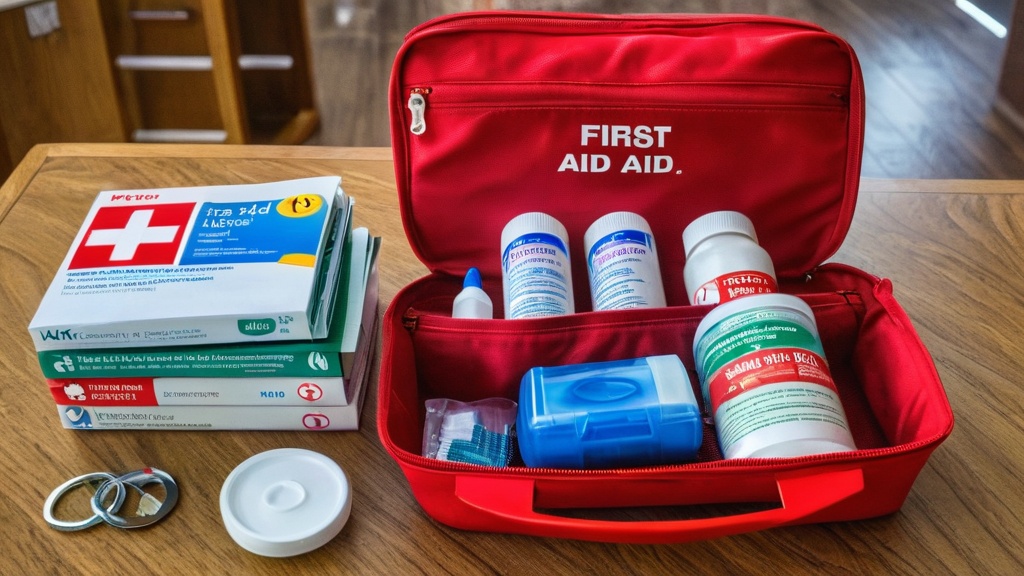
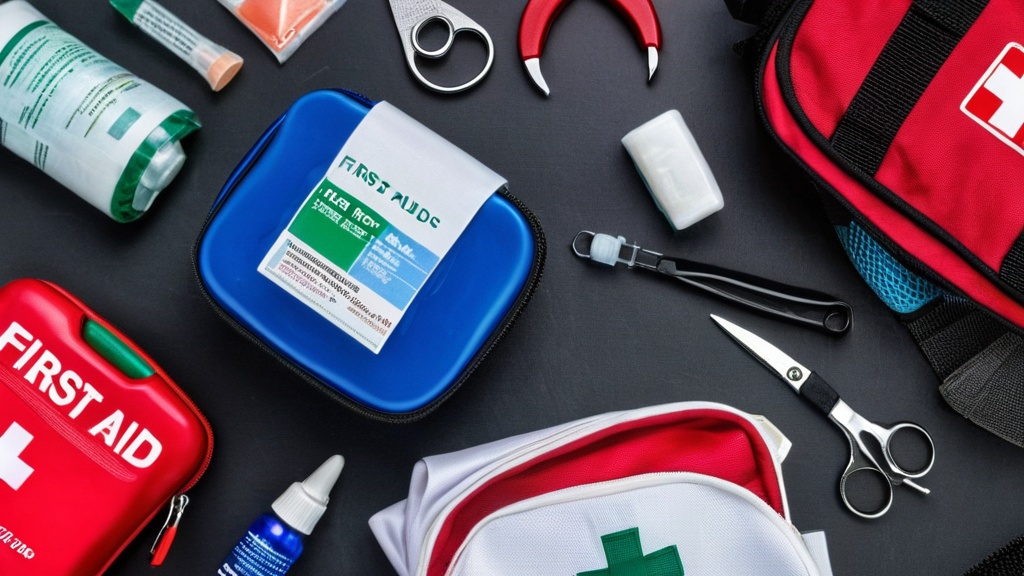
A well-stocked first aid kit is essential for handling emergencies effectively. Start with basic supplies like adhesive bandages, sterile gauze pads, antiseptic wipes, scissors, tweezers, and adhesive tape. Include pain relievers like ibuprofen or acetaminophen and any personal medications needed by family members.
Consider adding items specific to your household’s needs, such as allergy medications or burn cream. Regularly check your kit to replace expired items and ensure everything is in good condition. Having a first aid kit readily available can provide peace of mind during unexpected situations.
In conclusion, understanding first aid is vital for everyone. It empowers individuals to respond effectively in emergencies and potentially save lives. By learning how to assess situations, perform CPR, treat burns and manage other injuries, you become an invaluable resource in your community.
Equip yourself with knowledge and skills today; you never know when they might be needed!