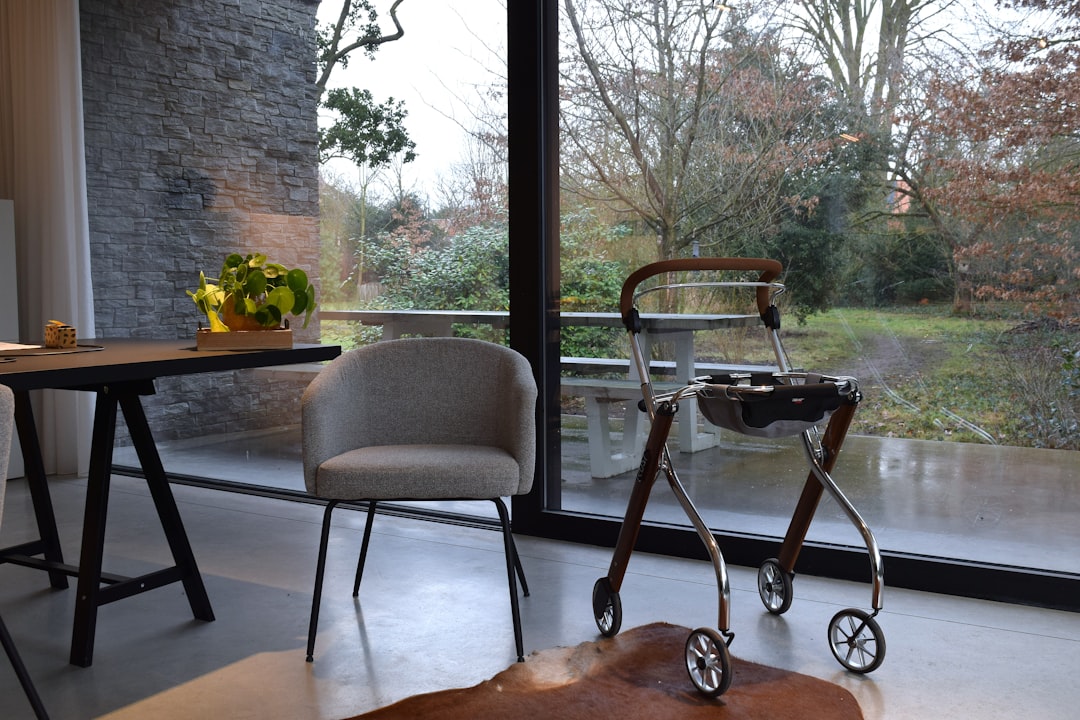

Imagine a life where your golden years shine brighter than ever. You can stay independent and engaged. We’ll explore simple steps to keep you safe and feeling great.
Your home should be your sanctuary. Small changes can make a big difference. We want you to feel secure and comfortable every day.
Fall Prevention is Key
Falls can be serious for anyone. They are a leading cause of injury in older adults. Let’s make your home a fortress against falls.
Clear the Path
Clutter is a trip hazard. Keep floors clear of newspapers and shoes. Store items in their proper places. A clear walkway means fewer stumbles.
Tip: Use baskets and shelves to organize items. This keeps surfaces tidy.
Rugs: Friend or Foe?
Loose rugs are a common culprit. They can slide unexpectedly. Secure them down firmly. Better yet, remove them entirely from high-traffic areas.
Tip: Consider non-slip mats instead of area rugs.
Bathroom Safety Boosters
Bathrooms can be slippery places. Install grab bars near toilets and showers. These offer crucial support when you stand or sit. Non-slip mats add extra grip.
Tip: Choose mats with a good texture for traction.
Lighting Matters
Poor lighting hides dangers. Ensure hallways and rooms are well-lit. Brighter bulbs help you see better. Motion-sensor lights turn on automatically.
Tip: Replace dim bulbs with clearer, brighter ones.
Staircase Support
Stairs require extra caution. Make sure handrails are sturdy. They should extend along the entire staircase. This provides continuous support.
Tip: Check handrails regularly for looseness.
Medication Mastery
Taking medications is common for many. It’s vital to keep them organized. This prevents mistakes and ensures effectiveness.
Organized Doses
Pill organizers are incredibly helpful. They sort your medicine by day and time. This visual aid makes it easy to track doses. You’ll know if you’ve taken your pill.
Tip: Choose an organizer with compartments for morning, noon, and night.
Smart Reminders
Forgetting doses can happen. Set reminders on your phone or a clock. Some pill bottles have built-in alarms. Consistent reminders reduce errors.
Tip: Use a daily planner to mark when you take medication.
Safe Storage
Keep medicines in a cool, dry place. Avoid bathrooms where humidity is high. Store them securely away from children. Clear labels are essential.
Tip: Use a small locked cabinet for added security.
Dispose of Old Meds
Expired or unused medications pose risks. Do not flush them down the toilet. Many pharmacies offer take-back programs. Check your local listings for options.
Tip: Ask your pharmacist about safe disposal methods.
Doctor’s List
Maintain a current list of all your medications. Include dosages and why you take them. This vital information helps doctors manage your care. Bring it to every appointment.
Tip: Update the list immediately after any prescription changes.
Fire and Emergency Readiness
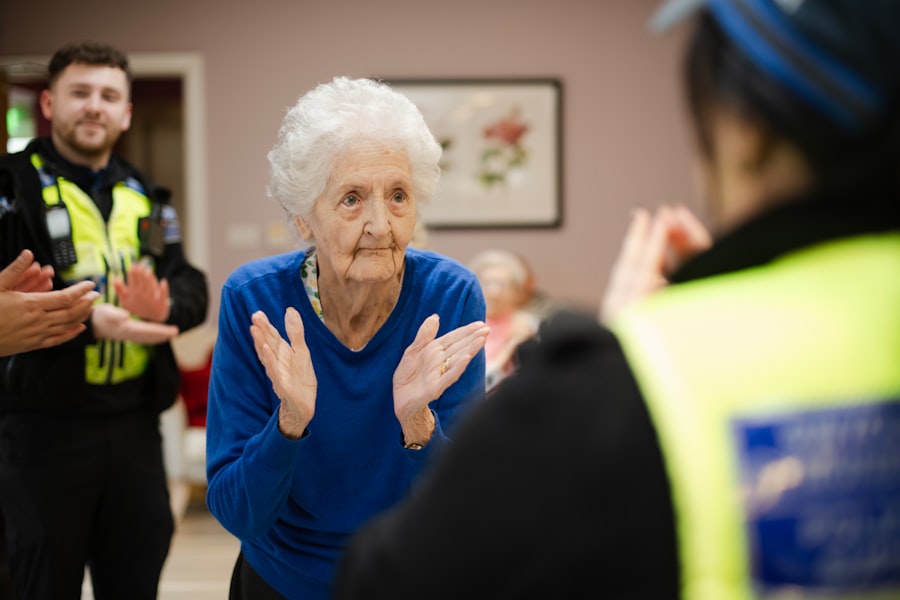
Being prepared for emergencies is crucial. This includes your home’s safety systems. Quick action can save lives and property.
Smoke and CO Detectors
Test your smoke and carbon monoxide detectors monthly. They are your first line of defense. Ensure they have fresh batteries. Replace old units every ten years.
Tip: Install detectors on every level of your home.
Electrical Safety
Overloaded electrical outlets are dangerous. They can cause fires. Use power strips with surge protectors. Avoid running cords under rugs.
Tip: Unplug appliances when not in use.
Heater Precautions
Space heaters can be a fire risk. Keep them away from curtains and furniture. Ensure they have an auto-shutoff feature. Never leave them unattended.
Tip: Use newer models with tip-over protection.
Emergency Alert Systems
Personal alert devices offer peace of mind. Many have a button you can press. They connect you to help immediately. Some GPS-enabled devices track your location.
Tip: Wear your alert device consistently.
Visible Contacts
Keep an emergency contact list handy. Post it near your phone or refrigerator. Include numbers for family, friends, and doctors. This ensures help is a quick call away.
Tip: Use large, clear font for easy reading.
Kitchen Comforts and Daily Habits

Your kitchen is a place of nourishment. Simple adjustments can make cooking safer and easier. Healthy habits support your well-being.
Reach and Access
Store frequently used items within easy reach. Avoid climbing on chairs or stools. Use lower shelves and countertops for daily necessities. This reduces the risk of falls.
Tip: Organize your pantry with slide-out shelves.
Smart Appliances
Consider appliances with auto-shutoff features. This is especially helpful for stoves and irons. They prevent accidents if you forget to turn them off. It offers a layer of safety.
Tip: Look for the “auto-shutoff” label when shopping.
Rising Safely
Getting up too quickly can cause dizziness. Rise slowly from a sitting or lying position. Wait a few moments before standing fully. This allows your body to adjust.
Tip: Transition from sitting to standing in two stages.
Footwear Focus
Wear shoes with non-slip soles. Avoid walking around in socks. This is especially important in kitchens and bathrooms. Good traction prevents slips.
Tip: Choose supportive shoes with good grip.
Balance Building
Regular exercise improves balance. Tai Chi is excellent for stability. It’s a gentle practice that strengthens your core. Many community centers offer classes.
Tip: Try simple standing exercises at home.
Embracing Technology for a Smarter Future
| Senior Safety Metrics | 2019 | 2020 | 2021 |
|---|---|---|---|
| Falls Prevention Programs Implemented | 15 | 20 | 25 |
| Emergency Response Time (in minutes) | 10 | 8 | 7 |
| Senior Safety Workshops Conducted | 30 | 35 | 40 |
Technology offers exciting new ways to stay safe. Smart devices can assist you daily. They provide an extra layer of support.
Voice Assistants
These devices are very useful. Ask them to set reminders for medications. They can also turn lights on or off. It’s a convenient way to manage tasks.
Tip: Start with simple commands like “Set a timer for 10 minutes.”
AI in Home Safety
Advanced sensors and cameras can detect falls. Artificial intelligence analyzes patterns. They can alert caregivers if a fall occurs. This provides quicker assistance.
Tip: Research companies offering AI-powered safety solutions.
Smartwatches for Wellness
Wearable technology offers many benefits. Smartwatches can monitor your heart rate. Some can even detect falls. They send alerts to your chosen contacts.
Tip: Explore models with health monitoring features.
Building Your Support Network
Technology can connect you to others. Online communities offer resources and friendship. Regular contact with loved ones is vital. Don’t hesitate to ask for help.
Tip: Schedule regular video calls with family.
Fall Risk Assessments
Talk to your doctor about a fall risk assessment. They can identify specific concerns. Together, you can create a personalized plan. This proactive approach is very effective.
Tip: Prepare questions for your doctor about your individual risks.
Staying Active and Engaged
A healthy lifestyle is key to aging well. Staying active benefits your body and mind. Engagement keeps life fulfilling.
Physical Activity Matters
Regular movement is essential. It strengthens muscles and improves circulation. Aim for activities you enjoy. This makes it easier to stick with them.
Tip: Start with short walks and gradually increase duration.
Healthy Eating Habits
Nourishing food fuels your body. Focus on fruits, vegetables, and lean proteins. Hydration is also important. Drink plenty of water throughout the day.
Tip: Choose a variety of colorful fruits and vegetables.
Mental Stimulation
Keep your mind sharp with puzzles and reading. Learn new skills or hobbies. Engaging your brain keeps it healthy. It also provides enjoyment.
Tip: Join a book club or take an online class.
Social Connections
Strong social ties are beneficial. Spend time with friends and family. Participate in community events. Connection combats loneliness and isolation.
Tip: Volunteer for a cause that interests you.
Regular Check-ups
See your doctor for routine appointments. Discuss any health concerns. Early detection of issues is important. It allows for timely treatment.
Tip: Keep a log of any symptoms you experience.
Aging well is an ongoing journey. By implementing these tips, you can enhance your safety. You can also maintain your independence and quality of life. Embrace these changes with confidence.
FAQs
What are some common safety concerns for seniors?
Some common safety concerns for seniors include falls, medication management, financial scams, and elder abuse.
What are some tips for preventing falls in seniors?
To prevent falls in seniors, it is important to keep the home well-lit, remove tripping hazards, install grab bars in the bathroom, and encourage regular exercise to improve strength and balance.
How can seniors manage their medications safely?
Seniors can manage their medications safely by organizing them in a pill dispenser, keeping an updated list of medications, and discussing any concerns with their healthcare provider.
What are some common financial scams targeting seniors?
Common financial scams targeting seniors include fraudulent telemarketing calls, fake charity scams, and identity theft.
How can seniors protect themselves from elder abuse?
Seniors can protect themselves from elder abuse by staying connected with friends and family, being cautious about sharing personal information, and seeking help if they suspect any form of abuse.