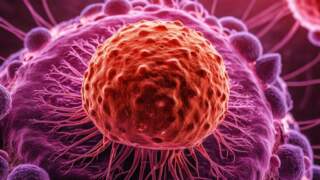
Cancer is a term that describes a group of diseases characterized by uncontrolled cell growth. Unlike normal cells, which grow, divide, and die in an orderly manner, cancer cells ignore these rules. They can invade nearby tissues and spread to other parts of the body, forming new tumors.
This uncontrolled growth can lead to serious health complications and can be life-threatening. Cancer cells disrupt the normal functioning of the body by competing with healthy cells for nutrients and space. This disruption can impair organ function and lead to various health issues.
The spread of cancer cells from their original site to other parts of the body, known as metastasis, is a significant factor in cancer severity and treatment complexity. Understanding the mechanisms of cancer is crucial for developing prevention strategies, improving early detection methods, and creating effective treatment protocols.
Key Takeaways
- Cancer arises from abnormal cells that grow uncontrollably due to genetic mutations.
- Both genetic and environmental factors contribute to the development of cancer.
- Early detection and diagnosis are crucial for effective treatment outcomes.
- Various types of cancer have distinct characteristics requiring tailored treatment approaches.
- Support and care play a vital role in the overall well-being of cancer patients.
How Does Cancer Develop?
Cancer develops through a series of changes in the DNA of cells. These changes can occur due to various factors, including genetic predisposition, environmental influences, and lifestyle choices. When DNA is damaged, it can lead to mutations that disrupt normal cell functions.
Over time, these mutations accumulate, leading to the transformation of healthy cells into cancerous ones. Consider a computer program that runs smoothly until a bug appears. If left unaddressed, that bug can cause the entire system to malfunction.
Similarly, when mutations accumulate in our cells, they can lead to cancer. Understanding how these changes occur helps researchers develop strategies for prevention and treatment.
The Role of Abnormal Cells in Cancer

Abnormal cells play a central role in the development of cancer. These cells arise when normal cells undergo mutations that alter their growth and division processes. Instead of dying off as they should, these abnormal cells continue to grow and divide uncontrollably.
This unchecked proliferation leads to the formation of tumors. For example, think of a factory where workers are supposed to follow strict protocols. If some workers start ignoring the rules, production can spiral out of control.
In the body, abnormal cells disrupt the balance of healthy cell growth, leading to cancer. Recognizing the behavior of these cells is essential for understanding how cancer develops and progresses.
Understanding the Mechanisms of Uncontrolled Cell Growth
Uncontrolled cell growth in cancer results from several mechanisms that allow cancer cells to thrive. One key mechanism involves the activation of oncogenes, which are genes that promote cell division. When these genes become mutated or overactive, they can drive excessive cell proliferation.
Another important factor is the inactivation of tumor suppressor genes. These genes normally help regulate cell growth and prevent tumor formation. When they are damaged or lost, their protective effects diminish, allowing cancer cells to grow unchecked.
Understanding these mechanisms provides insight into potential targets for cancer therapies.
The Importance of Genetic Mutations in Cancer Development
| Aspect | Description | Example/Metric |
|---|---|---|
| Definition | A group of diseases involving abnormal cell growth with the potential to invade or spread to other parts of the body. | Uncontrolled cell division |
| Types | Various types based on the origin of the cancer cells. | Carcinoma, Sarcoma, Leukemia, Lymphoma, Melanoma |
| Common Symptoms | Signs that may indicate the presence of cancer. | Unexplained weight loss, fatigue, lumps, persistent cough |
| Risk Factors | Factors that increase the likelihood of developing cancer. | Smoking, radiation, genetics, infections, poor diet |
| Global Incidence | Number of new cancer cases worldwide annually. | Approximately 19.3 million (2020) |
| Mortality Rate | Number of deaths caused by cancer worldwide annually. | Approximately 10 million (2020) |
| Treatment Options | Common methods used to treat cancer. | Surgery, Chemotherapy, Radiation therapy, Immunotherapy |
| Survival Rate | Percentage of patients alive after a certain period post-diagnosis. | 5-year survival rate varies by cancer type (e.g., breast cancer ~90%) |
Genetic mutations are critical in the development of cancer. They can be inherited or acquired through environmental exposures such as radiation or chemicals. Some mutations directly contribute to cancer by promoting uncontrolled growth or inhibiting cell death.
For instance, mutations in the BRCA1 and BRCA2 genes significantly increase the risk of breast and ovarian cancers. These genes play a vital role in repairing damaged DNA. When they are mutated, the body’s ability to fix DNA errors diminishes, leading to an increased likelihood of cancer development. Recognizing the role of genetic mutations helps guide screening and prevention strategies.
Factors That Contribute to the Development of Cancer
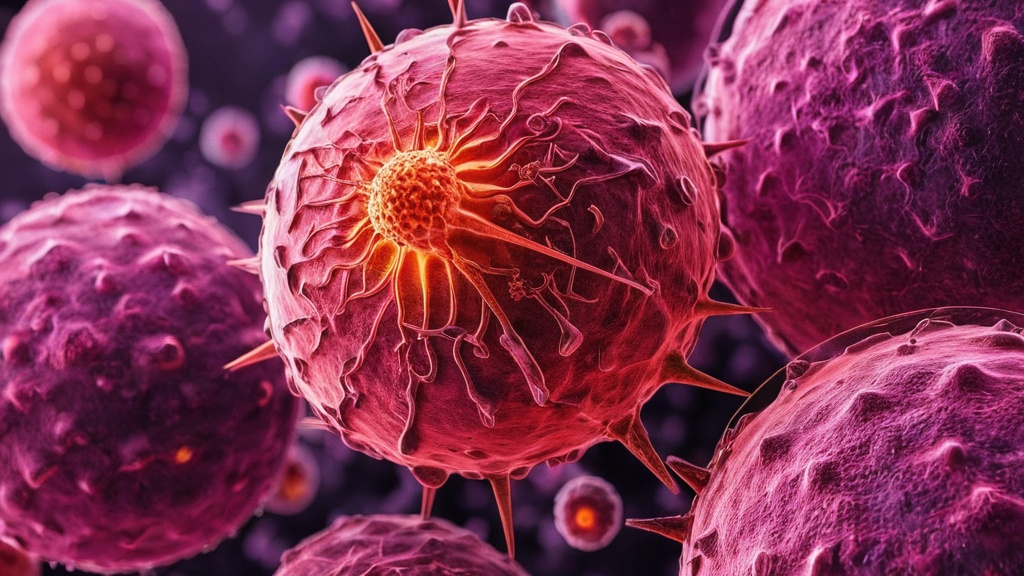
Several factors contribute to cancer development, including genetic predisposition, environmental exposures, and lifestyle choices. Family history can increase an individual’s risk due to inherited genetic mutations. Additionally, exposure to carcinogens—substances that promote cancer—can significantly raise the likelihood of developing the disease.
Lifestyle choices also play a crucial role in cancer risk. Smoking, excessive alcohol consumption, poor diet, and lack of physical activity can all contribute to the development of various cancers. For example, smoking is a well-known risk factor for lung cancer due to its harmful effects on lung tissue.
Understanding these factors empowers individuals to make informed choices about their health.
The Impact of Lifestyle and Environmental Factors on Cancer
Lifestyle and environmental factors significantly influence cancer risk. For instance, a diet high in processed foods and low in fruits and vegetables may increase the risk of certain cancers. Conversely, a balanced diet rich in antioxidants can help protect against cellular damage.
Environmental factors also play a role in cancer development. Exposure to pollutants, radiation, and certain chemicals can increase cancer risk. For example, prolonged exposure to asbestos has been linked to mesothelioma, a rare but aggressive form of lung cancer.
By understanding these influences, individuals can take proactive steps to reduce their risk.
The Different Types of Cancer and Their Characteristics
Cancer encompasses over 100 different types, each with unique characteristics and behaviors. Common types include breast cancer, lung cancer, prostate cancer, and colorectal cancer. Each type arises from different tissues and has distinct risk factors and treatment options.
For example, breast cancer often presents as a lump or change in breast tissue, while lung cancer may cause persistent coughing or shortness of breath. Understanding these differences is crucial for early detection and effective treatment strategies tailored to each type of cancer.
The Importance of Early Detection and Diagnosis
Early detection plays a vital role in improving cancer outcomes. When diagnosed at an early stage, many cancers are more treatable and have better survival rates. Regular screenings and awareness of symptoms can help catch cancers before they progress.
For instance, mammograms can detect breast cancer early when it is most treatable. Similarly, colonoscopies can identify precancerous polyps in the colon before they develop into cancer. Encouraging regular check-ups and screenings can save lives by facilitating early intervention.
Treatment Options for Cancer
Treatment options for cancer vary based on the type and stage of the disease. Common approaches include surgery, radiation therapy, chemotherapy, immunotherapy, and targeted therapy. Each treatment has its benefits and potential side effects.
Surgery aims to remove tumors or affected tissues from the body. Radiation therapy uses high-energy rays to kill cancer cells or shrink tumors. Chemotherapy involves using drugs to target rapidly dividing cells throughout the body.
Immunotherapy harnesses the body’s immune system to fight cancer more effectively. Understanding these options helps patients make informed decisions about their care.
The Importance of Support and Care for Cancer Patients
Support and care are essential for individuals diagnosed with cancer. A cancer diagnosis can be overwhelming emotionally and physically. Patients benefit from a strong support system that includes family, friends, healthcare providers, and support groups.
Emotional support helps patients cope with anxiety and fear associated with their diagnosis and treatment journey. Additionally, palliative care focuses on improving quality of life by managing symptoms and side effects of treatment. Encouraging open communication between patients and their healthcare teams fosters a supportive environment that promotes healing.
In conclusion, understanding cancer involves recognizing its complexities—from how it develops to its various types and treatment options. By staying informed about risk factors and emphasizing early detection, individuals can take proactive steps toward prevention and care. Support systems play a crucial role in helping patients navigate their journey through diagnosis and treatment, ultimately improving outcomes and quality of life.