
Diabetes is a chronic metabolic disorder characterized by the body’s inability to properly regulate blood glucose levels. Glucose, a simple sugar derived from food, serves as the primary energy source for cellular functions throughout the body. In healthy individuals, the pancreas produces insulin, a hormone that facilitates glucose uptake by cells and maintains blood sugar within normal ranges.
In diabetes, this regulatory mechanism becomes impaired through two primary pathways: insufficient insulin production by pancreatic beta cells, or cellular resistance to insulin’s effects. Type 1 diabetes typically involves autoimmune destruction of insulin-producing cells, resulting in little to no insulin production. Type 2 diabetes, the more common form, is characterized by progressive insulin resistance and eventual decline in insulin secretion.
Without adequate insulin function, glucose accumulates in the bloodstream rather than entering cells for energy production. This hyperglycemic state can damage blood vessels, nerves, and organs over time. Common complications include cardiovascular disease, diabetic nephropathy, diabetic retinopathy, and peripheral neuropathy.
Effective management through medication, dietary modifications, and lifestyle interventions is essential to prevent these complications and maintain optimal health outcomes.
Key Takeaways
- Diabetes is a chronic condition affecting blood sugar regulation.
- There are several types, including Type 1, Type 2, and gestational diabetes.
- Risk factors include genetics, obesity, and lifestyle choices.
- Managing diabetes involves diet, exercise, medication, and regular blood sugar monitoring.
- Support and resources are essential for effective diabetes management and quality of life.
Types of Diabetes
There are three main types of diabetes: Type 1, Type 2, and gestational diabetes. Type 1 diabetes typically develops in childhood or adolescence. In this form, the immune system mistakenly attacks insulin-producing cells in the pancreas.
People with Type 1 diabetes require lifelong insulin therapy to manage their blood sugar levels. Type 2 diabetes is more common and usually develops in adults, although it increasingly affects younger individuals due to rising obesity rates. In Type 2 diabetes, the body becomes resistant to insulin or does not produce enough of it.
Lifestyle factors such as poor diet and lack of exercise often contribute to its onset. Gestational diabetes occurs during pregnancy and usually resolves after childbirth, but it can increase the risk of developing Type 2 diabetes later in life.
Causes and Risk Factors

The causes of diabetes vary depending on the type. For Type 1 diabetes, genetic factors and autoimmune responses play significant roles. Researchers believe that environmental triggers, such as viral infections, may also contribute to its development.
In contrast, Type 2 diabetes is primarily linked to lifestyle choices and genetic predisposition. Several risk factors increase the likelihood of developing Type 2 diabetes.
Family history also plays a crucial role; if a parent or sibling has diabetes, your risk increases. Additionally, certain ethnic groups, such as African Americans, Hispanic Americans, and Native Americans, are at higher risk.
Symptoms of Diabetes
Recognizing the symptoms of diabetes is essential for early diagnosis and management. Common symptoms include increased thirst, frequent urination, extreme fatigue, and blurred vision. Some people may also experience unexplained weight loss or slow-healing sores.
Consider a scenario where you feel unusually thirsty and find yourself running to the bathroom more often than usual. These could be signs that your body is struggling to manage blood sugar levels effectively. If you notice these symptoms persistently, it’s important to consult a healthcare professional for further evaluation.
Diagnosis and Testing
| Aspect | Description | Common Metrics |
|---|---|---|
| Definition | A chronic condition characterized by high levels of sugar (glucose) in the blood. | N/A |
| Types | Type 1, Type 2, Gestational Diabetes | Type 1: ~5-10% of cases Type 2: ~90-95% of cases Gestational: occurs in ~2-10% of pregnancies |
| Blood Sugar Levels | Measurement of glucose concentration in the blood. | Normal fasting: 70-99 mg/dL Prediabetes: 100-125 mg/dL Diabetes: ≥126 mg/dL (fasting) |
| HbA1c (Glycated Hemoglobin) | Reflects average blood glucose over 2-3 months. | Normal: below 5.7% Prediabetes: 5.7% – 6.4% Diabetes: 6.5% or higher |
| Symptoms | Common signs indicating diabetes. | Increased thirst, frequent urination, fatigue, blurred vision, slow healing wounds |
| Complications | Health issues arising from uncontrolled diabetes. | Cardiovascular disease, neuropathy, kidney damage, retinopathy, foot ulcers |
| Prevalence | Global number of people affected by diabetes. | Over 500 million adults worldwide (as of 2023) |
Diagnosing diabetes involves several tests that measure blood sugar levels. The most common tests include the fasting plasma glucose test, the oral glucose tolerance test, and the A1C test. The fasting plasma glucose test measures blood sugar after an overnight fast.
The oral glucose tolerance test assesses how your body processes glucose after consuming a sugary drink. The A1C test provides an average blood sugar level over the past two to three months. A result of 6.5% or higher indicates diabetes.
If you suspect you have diabetes or experience symptoms, it’s crucial to seek testing from a healthcare provider for an accurate diagnosis.
Complications of Diabetes

If left unmanaged, diabetes can lead to serious complications affecting various organs and systems in the body. High blood sugar levels can damage blood vessels and nerves over time, increasing the risk of heart disease and stroke. Additionally, diabetes can lead to kidney damage, known as diabetic nephropathy, which may require dialysis or kidney transplantation.
Diabetic retinopathy can cause vision loss due to damage to the retina’s blood vessels. Furthermore, poor circulation can lead to foot problems, including infections and ulcers that may require amputation in severe cases.
Regular check-ups and monitoring can help mitigate these risks.
Managing Diabetes with Diet and Exercise
Diet and exercise play crucial roles in managing diabetes effectively. A balanced diet rich in whole grains, lean proteins, healthy fats, fruits, and vegetables can help regulate blood sugar levels. Portion control is also essential; eating smaller meals throughout the day can prevent spikes in blood sugar.
Incorporating regular physical activity into your routine can significantly improve insulin sensitivity and help maintain a healthy weight. Aim for at least 150 minutes of moderate aerobic exercise each week, such as brisk walking or cycling. Strength training exercises are also beneficial for building muscle mass and improving overall health.
Medications for Diabetes
In some cases, lifestyle changes alone may not be enough to manage diabetes effectively. Healthcare providers may prescribe medications to help control blood sugar levels. For Type 1 diabetes, insulin therapy is necessary since the body does not produce insulin.
For Type 2 diabetes, several oral medications are available that work in different ways to lower blood sugar levels. Some increase insulin sensitivity, while others stimulate insulin production or reduce glucose production in the liver. Your healthcare provider will determine the most appropriate medication based on your individual needs and health status.
Monitoring Blood Sugar Levels
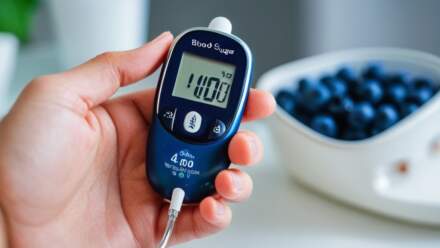
Regularly monitoring blood sugar levels is vital for effective diabetes management. Keeping track of your blood sugar helps you understand how food, exercise, and medications affect your levels. Most people with diabetes use a glucometer to check their blood sugar at home.
Your healthcare provider will recommend how often you should monitor your levels based on your treatment plan. Some individuals may need to check their blood sugar multiple times a day, while others may only need to do so a few times a week. Consistent monitoring allows for timely adjustments in diet or medication when necessary.
Tips for Living with Diabetes
Living with diabetes requires ongoing management and lifestyle adjustments. Here are some actionable tips to help you navigate daily life with this condition:
1. Educate yourself about diabetes: Understanding your condition empowers you to make informed decisions about your health.
2. Create a meal plan: Work with a registered dietitian to develop a meal plan that suits your preferences while managing blood sugar levels.
3. Stay active: Find physical activities you enjoy to make exercise more enjoyable and sustainable.
4. Keep a routine: Establishing a daily routine for meals, exercise, and medication can help maintain stable blood sugar levels.
5. Connect with others: Join support groups or online communities where you can share experiences and gain encouragement from others facing similar challenges.
Seeking Support and Resources
Managing diabetes can feel overwhelming at times, but you don’t have to do it alone. Numerous resources are available to help you navigate this journey effectively. Organizations like the American Diabetes Association provide valuable information on managing diabetes through education and advocacy.
Consider reaching out to healthcare professionals who specialize in diabetes care, such as endocrinologists or certified diabetes educators. They can offer personalized guidance tailored to your specific needs. Additionally, local support groups can provide emotional support and practical tips from others living with diabetes.
In conclusion, understanding diabetes is crucial for effective management and prevention of complications. By recognizing symptoms early, making lifestyle changes, and seeking support when needed, individuals with diabetes can lead healthy lives while managing their condition effectively.