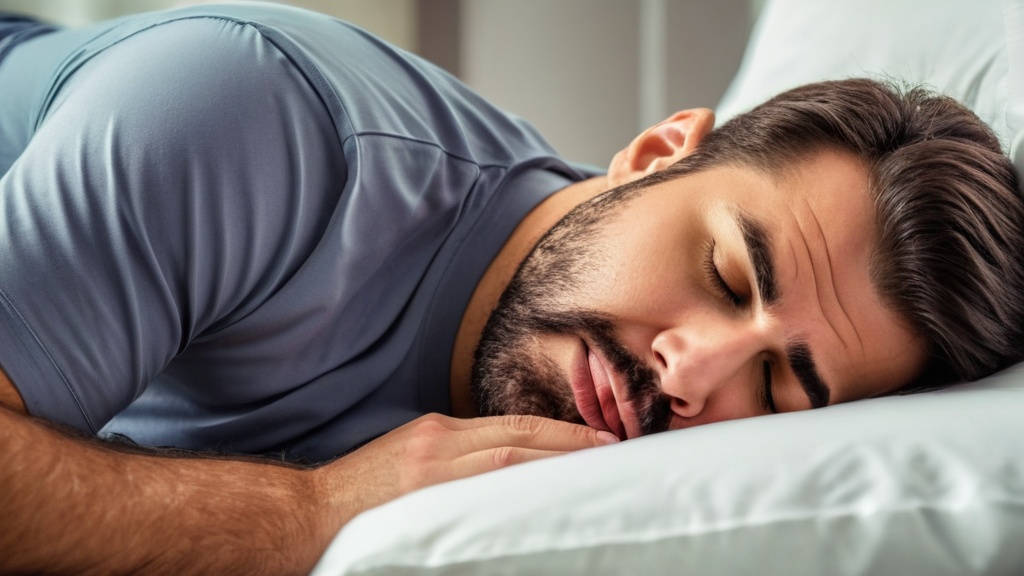

Sleep apnea is a common sleep disorder that disrupts breathing during sleep. People with this condition often experience pauses in breathing or shallow breaths. These interruptions can last from a few seconds to minutes and may occur multiple times throughout the night. As a result, individuals often wake up feeling tired, even after a full night’s sleep.
Imagine trying to enjoy a peaceful night’s rest, only to be jolted awake repeatedly. This is the reality for many who suffer from sleep apnea. The condition not only affects sleep quality but can also lead to serious health issues if left untreated. Understanding sleep apnea is crucial for recognizing its impact on overall well-being.
Key Takeaways
- Sleep apnea is a sleep disorder characterized by repeated interruptions in breathing during sleep.
- There are three main types: obstructive, central, and complex sleep apnea.
- Common causes include airway blockage, brain signal issues, and a combination of both.
- Risk factors include obesity, age, family history, and certain medical conditions.
- Treatment options range from lifestyle changes and medical devices to surgery and alternative therapies.
Types of Sleep Apnea
There are three main types of sleep apnea: obstructive, central, and complex. Obstructive sleep apnea (OSA) is the most common form. It occurs when the muscles in the throat relax excessively during sleep, blocking the airway. This blockage can lead to snoring and gasping for air.
Central sleep apnea (CSA) is less common and occurs when the brain fails to send proper signals to the muscles that control breathing. Unlike OSA, CSA does not involve a physical blockage of the airway. Complex sleep apnea syndrome, also known as treatment-emergent central sleep apnea, is a combination of both OSA and CSEach type requires different approaches for effective management.
Causes of Sleep Apnea
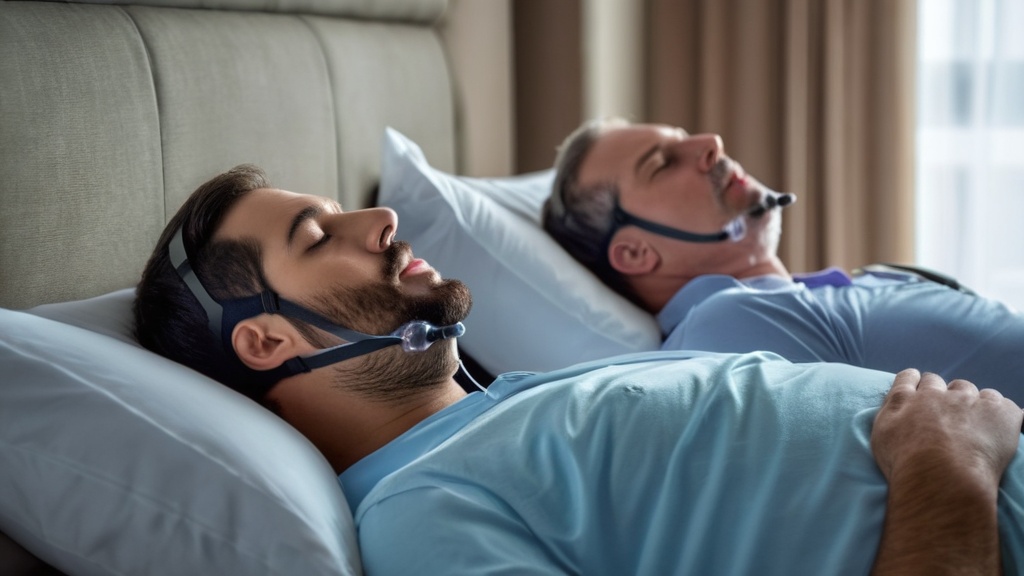
The causes of sleep apnea vary depending on the type. In obstructive sleep apnea, excess weight is a significant contributor. Fat deposits around the neck can narrow the airway, making it more likely to collapse during sleep. Other factors include enlarged tonsils or adenoids, which can obstruct airflow.
Central sleep apnea often relates to underlying medical conditions. Heart failure, stroke, or certain neurological disorders can disrupt the brain’s ability to regulate breathing. Understanding these causes helps in identifying effective treatment options tailored to individual needs.
Risk Factors for Sleep Apnea
Several risk factors increase the likelihood of developing sleep apnea. Obesity is one of the most significant contributors, as excess weight can lead to airway obstruction. Age also plays a role; older adults are more prone to this condition due to changes in muscle tone and structure.
Other risk factors include gender, with men being more likely to develop sleep apnea than women. Family history can also increase risk, suggesting a genetic component. Additionally, lifestyle choices such as smoking and alcohol consumption can exacerbate symptoms and contribute to the severity of the disorder.
Symptoms of Sleep Apnea
| Metric | Description | Typical Range/Value | Unit |
|---|---|---|---|
| Apnea-Hypopnea Index (AHI) | Number of apneas and hypopneas per hour of sleep | 0-5 (Normal), 5-15 (Mild), 15-30 (Moderate), >30 (Severe) | Events/hour |
| Oxygen Desaturation Index (ODI) | Number of times per hour of sleep that blood oxygen level drops by ≥4% | 0-5 (Normal), >5 (Abnormal) | Events/hour |
| Lowest Oxygen Saturation | Lowest blood oxygen level recorded during sleep | Typically 85-95% | % SpO2 |
| Sleep Efficiency | Percentage of time in bed spent asleep | 85-95% | % |
| Snoring Intensity | Average loudness of snoring during sleep | 40-90 | dB (decibels) |
| Respiratory Disturbance Index (RDI) | Number of respiratory events (apneas, hypopneas, respiratory effort-related arousals) per hour | 0-5 (Normal), >5 (Abnormal) | Events/hour |
| Body Mass Index (BMI) | Body mass relative to height, associated with sleep apnea risk | 18.5-24.9 (Normal), >30 (Obese) | kg/m² |
Recognizing the symptoms of sleep apnea is essential for early intervention. Common signs include loud snoring, choking or gasping during sleep, and excessive daytime sleepiness. Individuals may also experience difficulty concentrating or mood changes due to disrupted sleep.
Imagine feeling groggy and irritable throughout the day, struggling to stay awake during meetings or while driving. These symptoms can significantly impact daily life and productivity. If you or someone you know experiences these signs, it may be time to seek professional help.
Diagnosis of Sleep Apnea
Diagnosing sleep apnea typically involves a thorough evaluation by a healthcare provider. They will review medical history and conduct a physical examination. Often, they may recommend a sleep study, either at home or in a sleep clinic, to monitor breathing patterns during sleep.
During a sleep study, sensors track various parameters such as oxygen levels, heart rate, and brain activity. This data helps determine the presence and severity of sleep apnea. Accurate diagnosis is crucial for developing an effective treatment plan tailored to individual needs.
Complications of Sleep Apnea
Untreated sleep apnea can lead to serious health complications. One major concern is cardiovascular issues; individuals with sleep apnea are at higher risk for high blood pressure, heart disease, and stroke. The repeated interruptions in breathing can strain the heart and lead to long-term damage.
Additionally, sleep apnea can affect mental health. Chronic fatigue and disrupted sleep can contribute to anxiety and depression. Furthermore, it increases the risk of accidents due to daytime drowsiness, making it essential to address this condition promptly.
Lifestyle Changes for Managing Sleep Apnea
Making lifestyle changes can significantly improve symptoms of sleep apnea. Weight loss is one of the most effective strategies for those who are overweight. Even a modest reduction in weight can alleviate pressure on the airway and improve breathing during sleep.
Other beneficial changes include adopting a regular sleep schedule and creating a comfortable sleep environment. Avoiding alcohol and sedatives before bedtime can also help reduce airway relaxation. Additionally, sleeping on your side instead of your back may prevent airway obstruction during the night.
Medical Treatments for Sleep Apnea
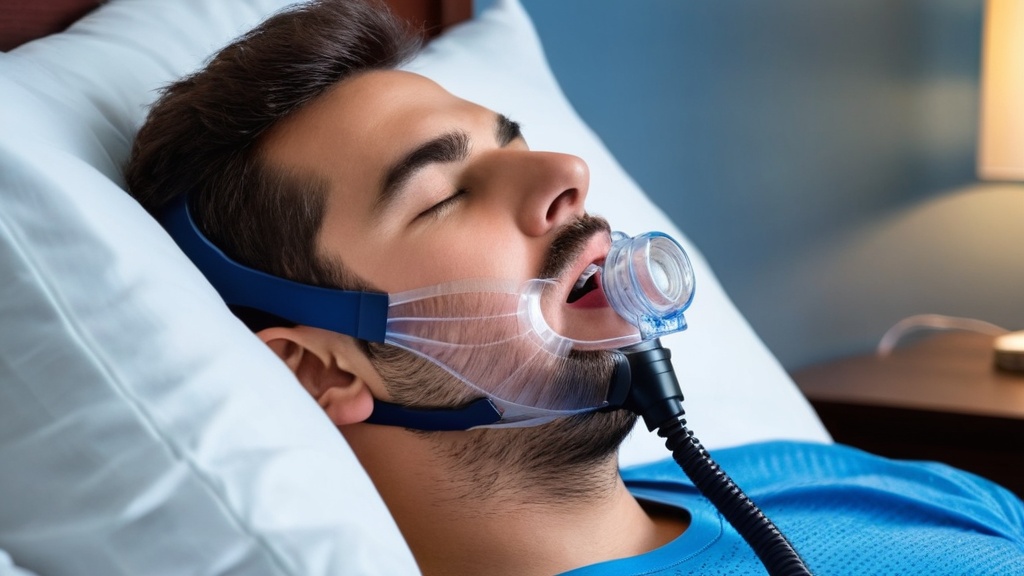
Medical treatments for sleep apnea often begin with continuous positive airway pressure (CPAP) therapy. This device delivers a steady stream of air through a mask worn during sleep, keeping the airway open. CPAP therapy has proven effective for many individuals with obstructive sleep apnea.
In some cases, oral appliances may be recommended. These devices reposition the jaw and tongue to keep the airway open during sleep. They are particularly useful for those with mild to moderate obstructive sleep apnea who prefer an alternative to CPAP.
Surgical Treatments for Sleep Apnea
Surgical options may be considered when other treatments fail or if anatomical issues contribute to obstructive sleep apnea. One common procedure is uvulopalatopharyngoplasty (UPPP), which removes excess tissue from the throat to widen the airway.
Another option is maxillomandibular advancement (MMA), which repositions the upper and lower jaw to create more space in the airway. Surgery carries risks and may not be suitable for everyone, so thorough evaluation by a specialist is essential before proceeding.
Alternative Therapies for Sleep Apnea
Some individuals explore alternative therapies alongside traditional treatments for managing sleep apnea. Practices such as yoga and meditation can promote relaxation and improve overall well-being. These techniques may help reduce stress and enhance sleep quality.
Additionally, certain herbal supplements have gained popularity for their potential benefits in promoting better sleep. However, it’s crucial to consult with a healthcare provider before trying any alternative therapies to ensure safety and effectiveness.
In conclusion, understanding sleep apnea is vital for recognizing its impact on health and well-being.
With various types, causes, and treatment options available, individuals can take proactive steps toward managing this condition effectively.
Whether through lifestyle changes, medical interventions, or alternative therapies, addressing sleep apnea can lead to improved quality of life and better overall health.