Cardiopulmonary Resuscitation (CPR) is an emergency medical procedure that combines chest compressions with rescue breathing to maintain circulation and oxygenation when a person’s heart has stopped beating or breathing has ceased. The technique works by manually pumping the heart to circulate blood to vital organs, particularly the brain and heart muscle, preventing irreversible damage that can occur within minutes of cardiac arrest. CPR is indicated in cases of cardiac arrest, drowning, choking (after obstruction removal), drug overdose, and other situations where normal heart function and breathing have stopped.
When performed correctly, CPR can double or triple the chances of survival from out-of-hospital cardiac arrest. The procedure maintains approximately 25-30% of normal blood flow to the brain and heart, providing critical perfusion until advanced medical care can restore normal heart rhythm. Immediate initiation of CPR is essential because brain cells begin to die within 4-6 minutes without oxygen.
Bystander CPR, when started before emergency medical services arrive, can increase survival rates from 6-8% to 20-25% in cases of witnessed cardiac arrest. Training in CPR techniques enables individuals to provide immediate life support, serving as a crucial link in the chain of survival until professional medical intervention is available.
Key Takeaways
- CPR is a critical lifesaving technique used to restore breathing and circulation in emergencies.
- Everyone should learn CPR basics to respond effectively during cardiac arrest situations.
- Hands-only CPR is a simplified method focusing on chest compressions without mouth-to-mouth resuscitation.
- Using an AED alongside CPR significantly increases the chances of survival in cardiac emergencies.
- Proper CPR training and certification ensure confidence and legal protection when providing aid.
Importance of CPR: Why Everyone Should Learn CPR Basics
Learning CPR is essential for everyone, not just healthcare professionals. Sudden cardiac arrest can happen to anyone, anywhere, at any time. According to the American Heart Association, immediate CPR can double or triple a victim’s chance of survival.
This statistic highlights the importance of being prepared. Consider this: if you were at a family gathering and someone collapsed, would you know what to do? Having CPR skills can make a difference between life and death.
By learning CPR, you become part of a community of responders ready to help in emergencies. It’s a skill that empowers you to act when it matters most.
Assessing the Situation: When to Perform CPR
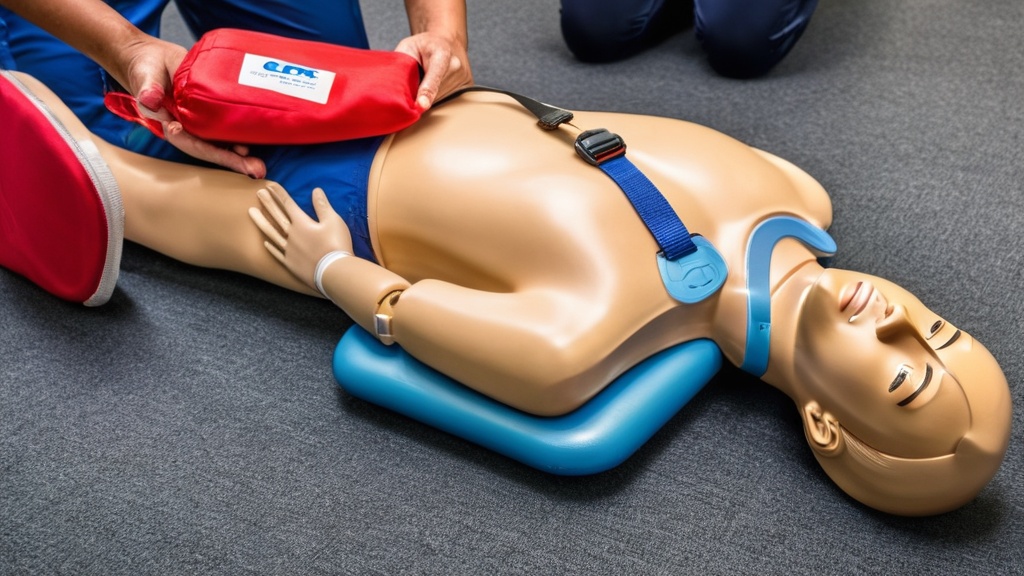
Recognizing when to perform CPR is crucial. The first step is assessing the situation. Check if the person is conscious and responsive.
Gently shake their shoulders and ask if they are okay. If they do not respond and are not breathing or only gasping, it’s time to act. In some cases, you may witness someone collapse without warning.
If they are unresponsive and not breathing normally, call emergency services immediately. While waiting for help, start CPR right away. Remember, acting quickly can save lives.
Basic Steps of CPR: A Step-by-Step Guide
Performing CPR involves a series of straightforward steps. First, ensure the scene is safe for both you and the victim. Next, check for responsiveness by tapping the person and shouting for help.
If there’s no response, call emergency services or ask someone else to do so. Once help is on the way, begin chest compressions. Place your hands in the center of the person’s chest and push down hard and fast—at least 2 inches deep and at a rate of 100 to 120 compressions per minute.
After every 30 compressions, give two rescue breaths if trained to do so. Continue this cycle until emergency personnel arrive or the person shows signs of life.
Hands-Only CPR: How to Perform CPR Without Mouth-to-Mouth Resuscitation
| CPR Component | Description | Recommended Rate | Recommended Depth | Notes |
|---|---|---|---|---|
| Chest Compressions | Manual compressions to circulate blood | 100-120 compressions per minute | At least 2 inches (5 cm) for adults | Allow full chest recoil between compressions |
| Rescue Breaths | Providing breaths to supply oxygen | 2 breaths after every 30 compressions | Each breath over 1 second | Ensure chest rises visibly with each breath |
| Compression-to-Ventilation Ratio | Ratio of compressions to breaths | 30:2 for adults and children | N/A | Use continuous compressions if an advanced airway is in place |
| Hand Placement | Positioning hands for compressions | Center of the chest, on the lower half of the sternum | N/A | Use two hands for adults, one or two for children depending on size |
| Compression Depth for Infants | Depth of chest compressions for infants | 100-120 compressions per minute | About 1.5 inches (4 cm) | Use two fingers for compressions |
Hands-only CPR is an effective method that eliminates the need for mouth-to-mouth resuscitation. This technique focuses solely on chest compressions, making it easier for bystanders to help without feeling anxious about giving breaths. Research shows that hands-only CPR can be just as effective as traditional CPR in many cases.
To perform hands-only CPR, follow the same initial steps: ensure safety and check for responsiveness. If the person is unresponsive and not breathing normally, call for help and start compressions immediately. Push hard and fast in the center of the chest, maintaining a rhythm similar to the beat of “Stayin’ Alive” by the Bee Gees.
This method can keep blood flowing until professional help arrives.
Using an Automated External Defibrillator (AED) in CPR

An Automated External Defibrillator (AED) is a portable device that can restore a normal heart rhythm during cardiac arrest. Using an AED in conjunction with CPR significantly increases survival rates. These devices are designed for ease of use, with clear audio and visual prompts guiding users through the process.
When you encounter a victim in cardiac arrest, call emergency services first. If an AED is available nearby, retrieve it as soon as possible. Turn on the device and follow the instructions provided.
Place the pads on the victim’s bare chest as indicated, ensuring they are positioned correctly. The AED will analyze the heart rhythm and advise whether a shock is needed. If prompted, deliver the shock and continue CPR until help arrives.
Special Considerations: CPR for Infants and Children
CPR techniques differ slightly for infants and children compared to adults due to their smaller size and unique physiology. For infants under one year old, use two fingers for chest compressions and push down about 1.5 inches deep at a rate of 100 to 120 compressions per minute. Always ensure that you support their head and neck during the process.
For children aged one year to puberty, use one hand for compressions if they are larger or two hands if they are smaller. Compress about 2 inches deep at the same rate as adults. Rescue breaths should be given after every 30 compressions if trained to do so.
Remember that children often experience respiratory issues leading to cardiac arrest; therefore, addressing breathing problems promptly is crucial.
CPR for Choking Victims: Combining CPR with First Aid Techniques
Choking can lead to unconsciousness if not addressed quickly. If someone is choking but still conscious, encourage them to cough forcefully to expel the object. If they cannot breathe or speak, perform abdominal thrusts (Heimlich maneuver) by standing behind them and placing your arms around their waist.
If the person becomes unresponsive due to choking, call emergency services immediately and begin CPR. Start with chest compressions while checking their mouth for any visible obstruction after every 30 compressions. If you see an object, attempt to remove it carefully with your fingers before continuing with rescue breaths if trained.
CPR Training: Where to Learn and Practice CPR Skills
Learning CPR is accessible through various organizations offering training courses. The American Heart Association and the Red Cross provide classes that cover both adult and pediatric CPR techniques. Many community centers also offer workshops that include hands-on practice.
Consider enrolling in a course that provides certification upon completion. These classes often include simulations that prepare you for real-life scenarios. Practicing these skills regularly helps reinforce your knowledge and builds confidence in your ability to respond effectively during emergencies.
Legal Considerations: Good Samaritan Laws and CPR
Good Samaritan laws protect individuals who provide assistance during emergencies from legal liability, as long as their actions are reasonable and intended to help. These laws encourage bystanders to act without fear of legal repercussions if something goes wrong while performing CPR or other first aid measures. Understanding these laws can empower you to step in during emergencies without hesitation.
However, always ensure that you act within your training limits and seek professional help as soon as possible.
CPR Certification: Obtaining Official Training and Certification in CPR
Obtaining official certification in CPR demonstrates your commitment to learning lifesaving skills. Many organizations offer certification courses that include both theoretical knowledge and practical skills assessments. These certifications often last for two years before requiring renewal.
To find a course near you, check local community centers, hospitals, or online platforms offering virtual training options. Investing time in obtaining certification not only enhances your skills but also equips you with knowledge that could save lives in critical situations. In conclusion, understanding CPR is vital for everyone.
By learning this lifesaving technique, you can make a significant difference in emergencies. Whether it’s performing hands-only CPR or using an AED, your actions can save lives when every second counts. So take that step—get trained, stay informed, and be ready to help when it matters most!