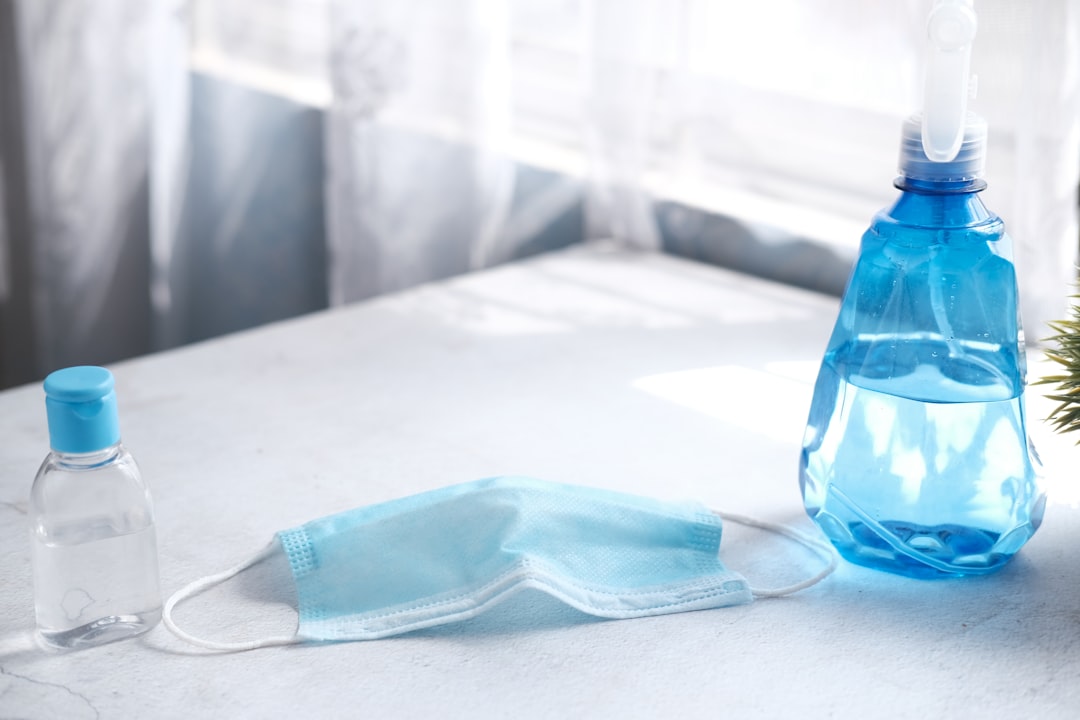

Imagine a world where common infections don’t hold us back. That world is within our reach, thanks to smart strategies that protect us all. Simple actions build stronger defenses. Let’s explore how we can create healthier communities together.
Keeping surfaces clean stops germs from spreading. This is a fundamental step. It protects you and everyone around you. Think about how many hands touch a doorknob or a shopping cart.
Hands: Our First Line of Defense
Washing hands thoroughly kills germs. Use soap and water for at least 20 seconds. This removes viruses and bacteria. Imagine washing away microscopic invaders.
- When to wash: Wash after using the restroom. Wash before eating. Wash after coughing or sneezing. Always wash after touching public surfaces.
- Hand sanitizer use: Use alcohol-based sanitizer if soap is unavailable. Ensure it has at least 60% alcohol. It’s a good alternative when on the go.
Surface Care: A Community Effort
Regularly cleaning frequently touched surfaces is vital. This includes doorknobs, light switches, and phones. A simple wipe-down can make a big difference. It interrupts germ transmission pathways.
- High-touch areas: Focus on areas used by many people. Think about communal kitchens or shared workspaces. Consistent cleaning prevents cross-contamination.
- Cleaning products: Use EPA-approved cleaning agents. Follow product instructions for effective disinfection. Understand what works best for different surfaces.
Advanced Technologies for a Safer Environment
Beyond basic cleaning, science offers amazing tools. New technologies actively fight germs. They create environments less hospitable to infections. These innovations are transforming how we prevent illness.
Active Antimicrobial Surfaces: Smart Materials at Work
Some materials actively kill microbes. Copper alloys are a prime example. They can reduce harmful bacteria on contact. Imagine surfaces that constantly sanitize themselves.
- Copper’s natural ability: Copper and its alloys have intrinsic antimicrobial properties. They disrupt microbial cell membranes. This naturally reduces the microbial load.
- New material integration: We are seeing copper infused into polymers. Nanotechnology also creates self-disinfecting materials. These are appearing in critical areas like hospital furniture.
Automated Decontamination: Robots and Vapors
Robots can now disinfect entire rooms. They use ultraviolet light for this task. Vaporized hydrogen peroxide also cleans equipment. These automated systems offer thorough disinfection.
- UV-C robots: These bots travel through hospital rooms. They emit germ-killing UV-C light. They reach areas human cleaners might miss.
- VHP disinfection: Vaporized Hydrogen Peroxide is effective. It disinfects delicate instruments and equipment. This ensures sterility for medical devices.
Advanced Air Quality: Breathing Easier
Clean air is crucial for preventing respiratory infections. Improved ventilation systems capture airborne viruses. HEPA filters trap tiny particles. New UV light technologies also purify air.
- HEPA filtration: High-Efficiency Particulate Air filters are essential. They remove over 99% of airborne particles. This includes viruses and allergens.
- Far-UV light: This specific wavelength of UV light can kill germs. It is safer for use around people. It offers a new way to inactivate airborne pathogens.
Smart Systems for Early Warning
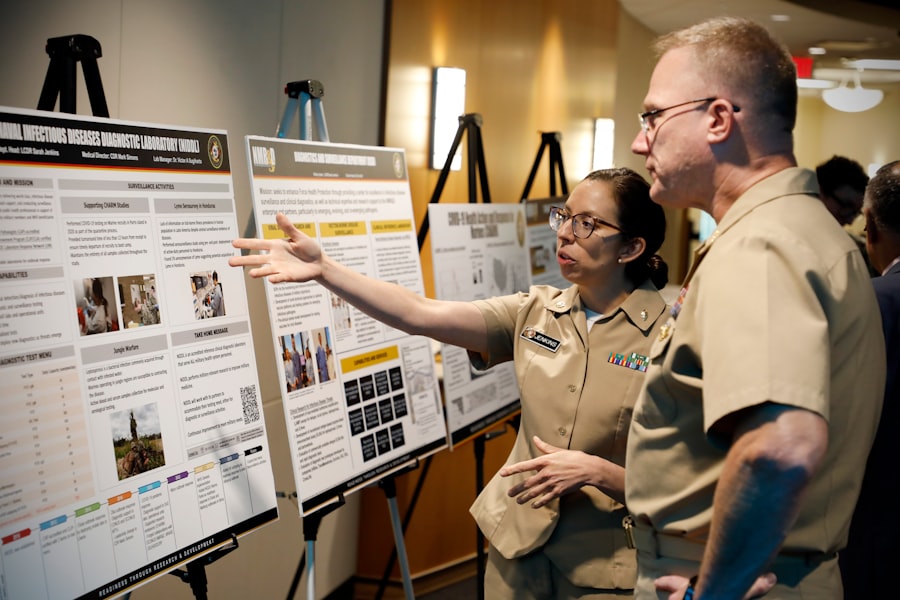
Detecting outbreaks early stops them in their tracks. Predictive tools are revolutionizing this process. They analyze data to forecast future infections. This allows for proactive interventions.
AI-Powered Predictive Tools: Foresight in Healthcare
Artificial intelligence is a game-changer. It spots trends in health data. This helps predict outbreaks like C. diff or MRSA. It provides early warnings for action.
- Data analysis: These systems sift through vast amounts of health information. They identify patterns that signal an impending outbreak. This allows for swift response planning.
- Real-time monitoring: Dashboards provide up-to-the-minute insights. They help healthcare providers see risks developing quickly. This enables timely interventions before widespread spread.
Patient Monitoring Beyond the Bedside
Advanced patient monitoring systems play a role. They track patient conditions for early signs of infection. This integrated approach strengthens surveillance efforts. It ensures no unusual activity is missed.
- Integrated data: Combining patient data with lab results offers a complete picture. This holistic view helps identify subtle infection signals. It supports a more proactive care model.
- Early detection dashboards: These tools aggregate information visually. They highlight potential issues for staff attention. This speeds up the identification of infected individuals.
Vaccination: A Community Shield

Vaccines remain one of our strongest defenses. They train our bodies to fight specific pathogens. Widespread vaccination protects communities from serious diseases. It dramatically reduces transmission and severity.
The Science Behind Vaccines
Vaccines introduce a weakened or inactive form of a pathogen. This triggers an immune response. Our bodies learn to recognize and attack the real threat. This creates lasting immunity without causing illness.
- Building immunity: Vaccines allow your immune system to develop defenses. It learns to fight viruses or bacteria. This prepares you for future encounters.
- Herd protection: When enough people are vaccinated, a community gains protection. This is known as herd immunity. It safeguards those who cannot be vaccinated.
Staying Up-to-Date with Immunizations
Regularly reviewing your vaccination status is important. Recommend vaccinations are safe and effective. They protect against many preventable diseases. Staying current ensures your personal protection.
- Routine vaccinations: Maintain up-to-date immunizations recommended by health authorities. These protect against diseases like measles, flu, and pertussis. They are crucial for all age groups.
- Seasonal vaccines: Consider seasonal vaccines like the flu shot annually. It helps reduce the burden of seasonal illnesses. This protects you and vulnerable individuals.
Organizational Strategies: Leadership and Implementation
| Metrics | Data |
|---|---|
| Hand Hygiene Compliance | 85% |
| Surface Disinfection Frequency | Every 2 hours |
| Personal Protective Equipment (PPE) Usage | 100% |
| Isolation Room Availability | 10 rooms |
Effective infection prevention requires strong leadership. Organizations must align their efforts. Clear standards and roadmaps guide implementation. This ensures comprehensive protection for everyone.
Leadership Buy-In: Setting the Tone
When leaders prioritize infection prevention, it makes a difference. They champion safety initiatives. This cascading effect influences the entire organization. It creates a culture of care.
- Executive alignment: Support from top leadership is crucial. It signals the importance of infection control. This drives resource allocation and commitment.
- IP PROPEL™ Framework: This framework offers a structured approach. It unites various stakeholders towards a common goal. It helps manage complex infection prevention programs.
Joint Commission Updates: Raising Standards
Organizations like The Joint Commission set healthcare standards. Updates to these standards reflect new evidence. They provide clear expectations for facilities. This encourages improved practices.
- Implementation roadmaps: These plans detail how to meet new standards. They break down complex requirements into actionable steps. This facilitates successful adoption.
- Continuous improvement: Standards provide a benchmark for quality. They drive ongoing efforts to enhance safety protocols. This ensures evolving threats are met.
Focus on Long-Term Care: Protecting Vulnerable Populations
Long-term care facilities (LTCFs) require special attention. Residents are often more vulnerable. Early recognition of outbreaks is paramount. Robust environmental hygiene is essential.
Early Outbreak Recognition in LTCFs
Promptly identifying infections in LTCFs is key. Staff must be trained to spot early signs. This prevents rapid spread among residents. Quick action saves lives.
- Staff training: Educate staff on common infection symptoms. They should know how to report concerns immediately. Vigilance is a critical component.
- Surveillance systems: Implement systems to monitor resident health trends. Look for unusual clusters of illness. This allows for swift investigation.
Environmental Hygiene and Vaccination in LTCFs
Maintaining a clean environment is critical in LTCFs. Regular disinfection reduces transmission risks. Ensuring residents and staff are vaccinated adds another layer of protection. This dual approach is highly effective.
- Dedicated cleaning protocols: Implement rigorous cleaning schedules for common areas and resident rooms. Focus on frequently touched surfaces. This minimizes environmental contamination.
- Vaccination campaigns: Ensure high vaccination rates for flu and other preventable diseases. Offer vaccines to residents, staff, and visitors. This builds a strong community shield.
Regional Collaboration for Enhanced Safety
Collaboration across LTCFs and with public health is vital. Sharing information and resources strengthens protection. Regional efforts can pool expertise and support. This creates a more resilient network.
- Information sharing: Establish channels for sharing outbreak data between facilities. This allows for pattern recognition across a region. It supports coordinated responses.
- Resource pooling: Collaborate on supplies, training, and best practices. This can enhance the capacity of individual facilities. It builds collective strength against threats.
By embracing these effective infection prevention strategies, we build healthier communities. Informed choices and technological advancements empower us. Let’s continue to work together for a safer future.
FAQs
What is infection prevention?
Infection prevention refers to the measures and practices put in place to prevent the spread of infections in healthcare settings, communities, and other environments. This includes hand hygiene, proper use of personal protective equipment, and environmental cleaning.
Why is infection prevention important?
Infection prevention is important because it helps to reduce the spread of infectious diseases, protect patients and healthcare workers, and minimize the impact of outbreaks. It also helps to prevent the development of antibiotic resistance.
What are some key infection prevention strategies?
Key infection prevention strategies include hand hygiene, vaccination, proper use of personal protective equipment, environmental cleaning, and adherence to infection control guidelines and protocols.
How can individuals contribute to infection prevention?
Individuals can contribute to infection prevention by practicing good hand hygiene, getting vaccinated, staying home when sick, covering coughs and sneezes, and following public health recommendations during outbreaks.
What are the challenges in infection prevention?
Challenges in infection prevention include maintaining compliance with infection control practices, addressing antibiotic resistance, preventing healthcare-associated infections, and responding to emerging infectious diseases.