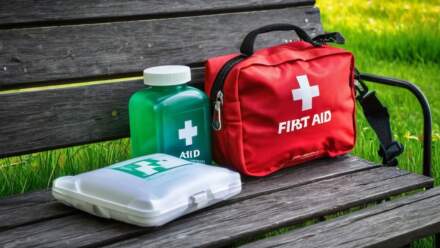

Imagine this: a simple misstep, a sudden slip. Suddenly, your world tilts. Falls can happen to anyone. They can cause injuries. These injuries change lives. Fortunately, you can take steps to stay on your feet.
Falls are a serious concern. They happen more often than you think. Older adults face higher risks. But young people can fall too. Several factors contribute to falls. Knowing these helps you prepare.
Age and Physical Changes
As we age, our bodies change. Muscles can get weaker. Balance might not be as good. Vision can also decline. These changes make us more unsteady. It’s like your body’s internal GPS gets a little fuzzy.
Health Conditions and Medications
Certain health issues increase fall risk. Conditions like arthritis or diabetes play a role. Neuropathy can numb your feet. This makes it harder to feel the ground. Some medications cause dizziness. Others can make you sleepy. Always discuss your medicines with a doctor.
Environmental Hazards
Your surroundings hold hidden dangers. Cluttered floors are a tripping hazard. Poor lighting makes it hard to see. Wet surfaces create slippery spots. A rug corner can be a trap. Think of your home as a potential obstacle course.
Home Safety Modifications
Making your home safer is key. Simple changes can prevent many falls. Focus on areas where falls are common. These are often bathrooms, kitchens, and stairs. A little effort can make a big difference.
Bathroom Safety
Bathrooms are often wet. This makes them slippery. Install grab bars in the shower or near the toilet. Use non-slip mats on the floor. Wear shoes with good grip in the bathroom. A night light makes nighttime trips safer.
Stair Safety
Stairs demand extra attention. Ensure good lighting on every step. Install sturdy handrails on both sides. Remove clutter from stairways immediately. Consider adding non-slip treads to steps. This adds grip for your feet.
Living Area Improvements
Your living room can also be unsafe. Remove throw rugs or secure them firmly. Keep pathways clear of furniture and cords. Improve lighting throughout the house. This helps you see where you are going.
Enhancing Strength and Balance

Stronger muscles and better balance are your allies. They help you maintain stability. Regular exercise is the best way to build them. You don’t need to be an athlete. Simple movements can be very effective.
Exercise Programs
Physical therapy can help. Yoga and tai chi are excellent choices. These practices focus on balance and control. They teach your body to move with grace. Even short daily routines offer benefits. Think of it as training your natural gyroscope.
Walking Aids
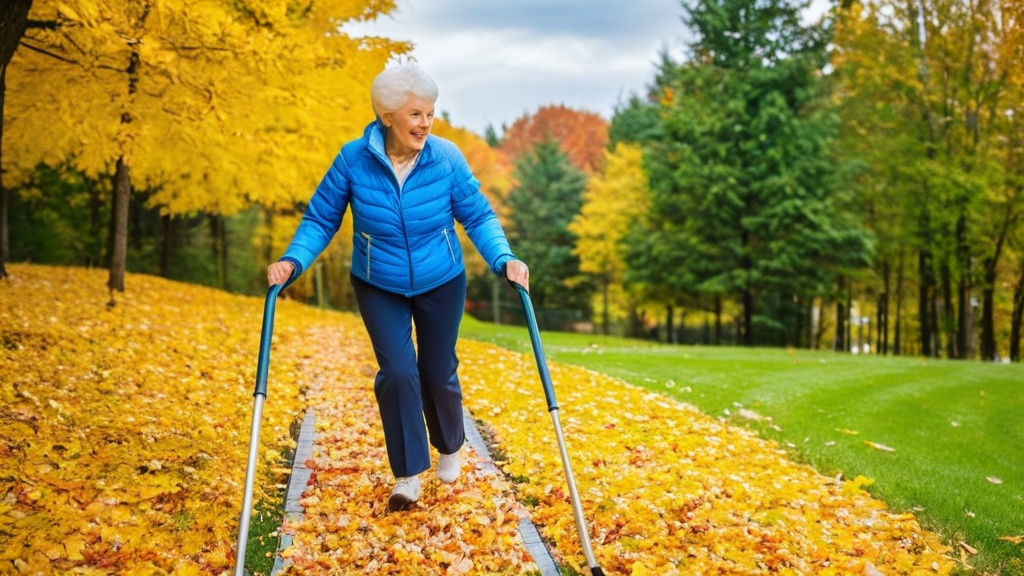
If you need support, use it. Canes and walkers help with stability. Ensure they are the correct height for you. Use them consistently, especially when walking outside. They are tools to keep you safe.
Footwear and Foot Care
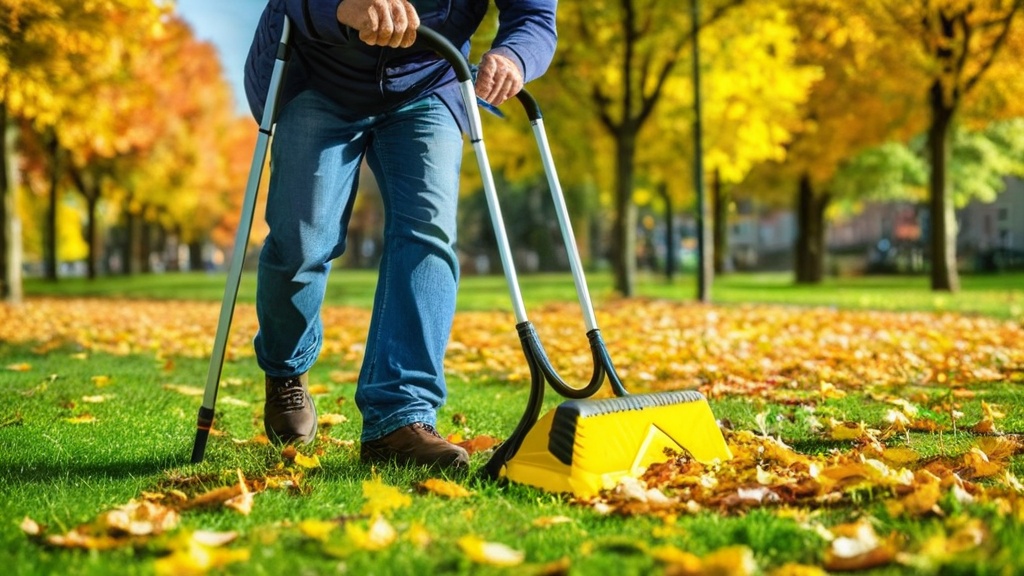
Your feet are your foundation. Proper footwear supports your body. Take care of your feet to avoid problems. Healthy feet contribute to good balance.
Choosing the Right Shoes
Wear well-fitting shoes with non-slip soles. Avoid walking in socks or slippery slippers. Choose shoes that offer good support. High heels increase fall risk significantly. Look for comfort and stability.
Foot Health
Check your feet regularly for sores or injuries. Numbness can signal a problem. See a podiatrist for foot pain. Healthy feet mean a more secure step.
Staying Aware and Prepared
| Category | Metrics |
|---|---|
| Incidence Rate | Number of falls per 1,000 patient days |
| Risk Assessment | Percentage of patients assessed for fall risk upon admission |
| Preventive Measures | Percentage of patients receiving fall prevention education |
| Environmental Factors | Percentage of falls related to environmental hazards |
Mindfulness plays a role in fall prevention. Be aware of your surroundings. Plan ahead for activities. Knowing potential hazards helps you avoid them.
Medication Review
Regularly review your medications with your doctor. Discuss any side effects that cause dizziness or drowsiness. Sometimes adjustments can significantly reduce risks. Don’t hesitate to ask questions about your prescriptions.
Vision and Hearing Checks
Good vision is crucial for spotting obstacles. Get your eyes checked regularly. Ensure your glasses prescription is up to date. Similarly, hearing can affect your awareness. Listen for approaching people or vehicles.
Nutrition and Hydration
A balanced diet supports overall health. It keeps your muscles and bones strong. Staying hydrated also prevents dizziness. Dehydration can lead to lightheadedness. Eat nutrient-rich foods every day.
Important Lifestyle Adjustments
Small changes in daily habits can have a big impact. These adjustments focus on maintaining a safe and active lifestyle. They empower you to take control of your well-being.
Healthy Diet and Hydration
Nourishing your body fuels your strength. A diet rich in fruits and vegetables provides essential vitamins. Include lean proteins for muscle maintenance. Staying well-hydrated prevents fainting spells. Your body functions best with proper fuel.
Regular Health Check-ups
Consistent medical check-ups are vital. They help detect health issues early. Your doctor can monitor blood pressure and blood sugar. This allows for timely interventions. Proactive health management is a powerful tool.
Sleep Habits
Adequate sleep is restorative. It improves alertness and reaction time. Poor sleep can lead to fatigue. This increases the likelihood of accidents. Aim for seven to nine hours of quality sleep.
Specific Scenario Examples and Solutions
Let’s look at common fall situations. We can then explore practical solutions. These examples make prevention more concrete.
Scenario 1: Reaching for an item
You spot a favorite book on a high shelf. You grab a wobbly stool. This is a recipe for disaster.
- Solution: Use a sturdy step stool. Make sure it has a handle. Or, ask someone to get the item for you. Never climb on unsteady furniture.
Scenario 2: Walking on a wet floor
You step out of the shower onto a dry mat. Suddenly, you slip on a wet patch. This could lead to injury.
- Solution: Always use a non-slip mat inside and outside the shower. Thoroughly dry off before stepping onto any floor. Consider absorbent bath mats.
Scenario 3: Navigating a dimly lit room
You walk into a dimly lit room. You don’t see a pet sleeping on the floor. You trip and fall.
- Solution: Install bright, accessible lighting. Use motion-sensor lights for hallways. Always look where you are going. Clear your path before entering any room.
Scenario 4: Taking medications that cause drowsiness
You take a new medication at bedtime. You wake up often to use the restroom. The drowsiness makes you unsteady.
- Solution: Discuss all medications with your doctor. Ask about potential side effects like drowsiness. If a medication causes this, consider taking it earlier. Use a night light for bathroom trips.
Long-Term Fall Prevention Strategies
Fall prevention is not a one-time fix. It requires ongoing commitment. These strategies promote lasting safety and independence.
Maintaining a Healthy Lifestyle
Continued healthy eating is important. Regular physical activity builds resilience. Both contribute to overall physical and mental well-being. These habits fortify your body against falls.
Ongoing Home Safety
Periodically assess your home for new hazards. Regular maintenance prevents disrepair. Keep clutter in check consistently. Update safety features as needed. A safe home environment is dynamic.
Regular Medical Consultations
Continued communication with your doctor is crucial. Discuss any changes in your health. Report any near falls or feelings of unsteadiness. Early detection of problems is key. This ensures ongoing safety measures are effective.
Social Engagement and Support
Staying socially active reduces isolation. It also keeps your mind sharp. Friends and family can offer support. They might notice safety concerns you miss. Don’t hesitate to ask for help.
Conclusion: Empowering Yourself for Safer Living
Falls are preventable. By taking proactive steps, you can significantly reduce your risk. Focus on your home environment. Improve your strength and balance. Choose safe footwear. Stay aware of your surroundings.
Regular check-ins with your doctor and careful medication management are essential. Coupled with a healthy lifestyle, these practices empower you. You can maintain your independence and quality of life. Safety is not an accident. It’s a choice you make every day. Embrace these tips and live more confidently.
FAQs
What is fall prevention?
Fall prevention refers to the measures and strategies put in place to reduce the risk of falls, particularly among older adults. This can include environmental modifications, exercise programs, and education on fall risk factors.
Why is fall prevention important?
Fall prevention is important because falls are a leading cause of injury and even death among older adults. By implementing fall prevention strategies, the risk of falls and their associated negative outcomes can be significantly reduced.
What are some common risk factors for falls?
Common risk factors for falls include muscle weakness, balance and gait issues, vision problems, medication side effects, and environmental hazards such as slippery floors or poor lighting.
What are some strategies for fall prevention?
Strategies for fall prevention can include regular exercise to improve strength and balance, home safety assessments and modifications, medication reviews, vision checks, and the use of assistive devices such as grab bars and handrails.
Where can I find more information on fall prevention?
More information on fall prevention can be found through healthcare providers, community organizations, and government agencies such as the Centers for Disease Control and Prevention (CDC) and the National Institute on Aging. These sources can provide resources, educational materials, and programs focused on fall prevention.