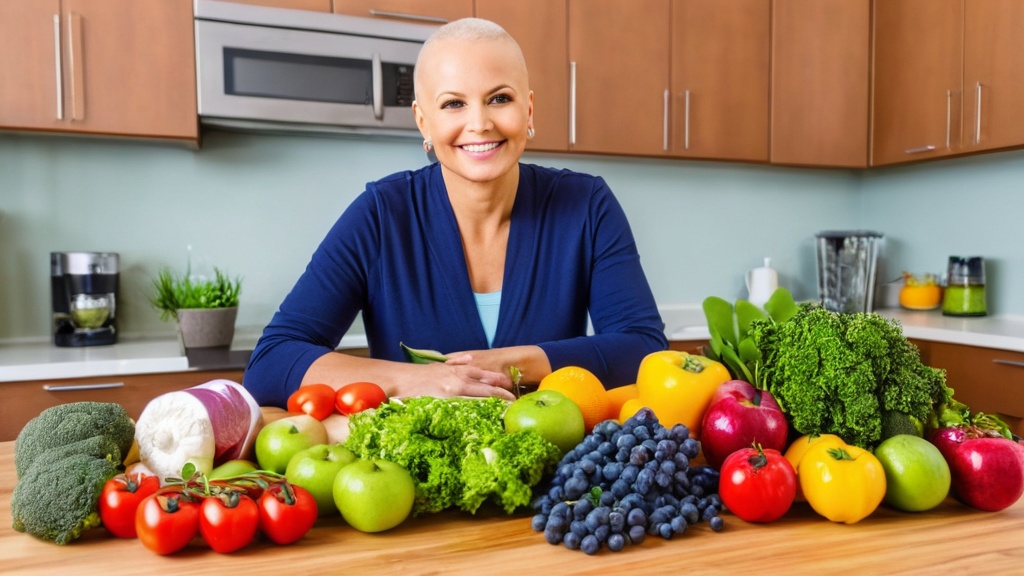

Cancer is a word that evokes fear in many. It affects millions of people worldwide, making it a leading cause of death. However, the good news is that many cancers are preventable. By adopting healthy lifestyle choices, you can significantly reduce your risk. Understanding cancer prevention is crucial for everyone, regardless of age or family history.
Imagine a world where fewer people suffer from cancer. This vision can become a reality through awareness and proactive measures. Simple changes in daily habits can lead to a healthier life and lower cancer risk. Let’s explore the essential strategies for cancer prevention that everyone can incorporate into their lives.
Key Takeaways
- Adopting healthy habits is crucial for effective cancer prevention.
- A balanced diet and regular exercise significantly reduce cancer risk.
- Avoiding tobacco, limiting alcohol, and protecting skin from UV rays help prevent cancer.
- Regular medical screenings and managing stress contribute to early detection and overall health.
- Creating a supportive environment encourages sustained cancer-preventive behaviors.
Importance of Healthy Habits
Healthy habits form the foundation of cancer prevention. They not only improve your overall well-being but also enhance your quality of life. Research shows that lifestyle choices account for about 30-50% of all cancers (American Cancer Society). This statistic highlights the power of personal responsibility in health.
Consider this: a person who eats well, exercises regularly, and avoids harmful substances is less likely to develop cancer than someone who does not. Healthy habits can also prevent other chronic diseases, such as heart disease and diabetes. By focusing on wellness, you create a protective shield against various health issues.
Eating a Balanced Diet
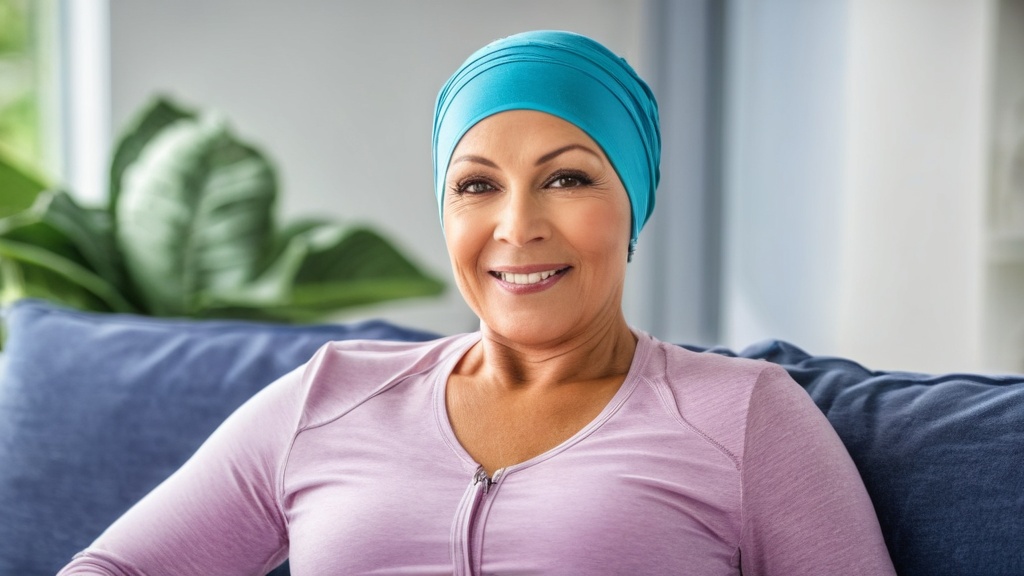
A balanced diet plays a vital role in cancer prevention. Foods rich in fruits, vegetables, whole grains, and lean proteins provide essential nutrients that support your immune system. Studies indicate that diets high in fruits and vegetables can lower the risk of certain cancers (World Health Organization).
For example, cruciferous vegetables like broccoli and kale contain compounds that may help detoxify carcinogens. Similarly, berries are packed with antioxidants that combat oxidative stress in the body. Aim to fill half your plate with colorful fruits and vegetables at every meal to maximize your nutrient intake.
In addition to focusing on what to eat, consider what to limit. Red and processed meats have been linked to an increased risk of colorectal cancer (International Agency for Research on Cancer). Reducing these foods while incorporating more plant-based options can be beneficial for your health.
Regular Exercise

Regular physical activity is another cornerstone of cancer prevention. Engaging in at least 150 minutes of moderate aerobic exercise each week can significantly reduce your risk of developing various cancers (American Cancer Society). Exercise helps maintain a healthy weight, boosts your immune system, and improves overall well-being.
Think about how you can incorporate movement into your daily routine. Simple activities like walking, cycling, or dancing can make a difference. Even short bursts of activity throughout the day can add up. For instance, take the stairs instead of the elevator or go for a brisk walk during your lunch break.
Moreover, exercise has mental health benefits too. It reduces stress and anxiety, which can contribute to unhealthy behaviors like overeating or smoking. By making exercise a regular part of your life, you not only enhance your physical health but also support your mental well-being.
Limiting Alcohol Consumption
| Prevention Strategy | Recommended Action | Impact on Cancer Risk | Supporting Evidence |
|---|---|---|---|
| Healthy Diet | Consume 5+ servings of fruits and vegetables daily; limit processed meats | Reduces risk of colorectal, stomach, and other cancers by up to 20% | World Cancer Research Fund, 2018 |
| Physical Activity | At least 150 minutes of moderate exercise per week | Decreases risk of breast and colon cancer by 10-20% | American Cancer Society, 2020 |
| Tobacco Avoidance | Do not smoke or use tobacco products | Reduces risk of lung and many other cancers by up to 90% | CDC, 2021 |
| Limit Alcohol | Limit intake to 1 drink/day for women, 2 for men | Reduces risk of liver, breast, and esophageal cancers by 10-15% | National Cancer Institute, 2019 |
| Sun Protection | Use sunscreen, wear protective clothing, avoid peak sun hours | Reduces risk of skin cancers by 50% | Skin Cancer Foundation, 2022 |
| Maintain Healthy Weight | Keep BMI between 18.5 and 24.9 | Reduces risk of breast, colorectal, and pancreatic cancers by 10-20% | WHO, 2020 |
| Regular Screening | Follow recommended cancer screening guidelines | Early detection improves survival rates by up to 30% | American Cancer Society, 2021 |
Alcohol consumption is another factor linked to an increased risk of several cancers, including breast and liver cancer (National Institute on Alcohol Abuse and Alcoholism). Limiting alcohol intake can significantly lower this risk. The American Cancer Society recommends no more than one drink per day for women and two drinks per day for men.
Consider how you can reduce alcohol consumption in social settings. Opt for non-alcoholic beverages or set limits before attending events. You might also explore new hobbies that don’t revolve around drinking, such as joining a sports league or taking up painting classes.
If you find it challenging to cut back on alcohol, seek support from friends or professionals. Many resources are available to help you make healthier choices without feeling deprived.
Avoiding Tobacco and Secondhand Smoke
Tobacco use remains one of the leading causes of cancer worldwide (World Health Organization). Smoking is directly linked to various cancers, including lung, throat, and mouth cancers. Avoiding tobacco in all forms is crucial for cancer prevention.
If you smoke, consider seeking help to quit. Numerous resources are available, including counseling and nicotine replacement therapies. Even reducing tobacco use can lower your risk significantly.
Secondhand smoke also poses serious health risks. It contains harmful chemicals that can affect non-smokers, especially children and pregnant women. Create a smoke-free environment at home and encourage friends and family to do the same.
Protecting Your Skin from UV Rays
Skin cancer is one of the most common types of cancer, but it is also one of the most preventable (Skin Cancer Foundation). Protecting your skin from harmful UV rays is essential for reducing this risk. Always apply sunscreen with at least SPF 30 when spending time outdoors, even on cloudy days.
Consider wearing protective clothing, such as wide-brimmed hats and long sleeves, when exposed to sunlight for extended periods. Seek shade whenever possible, especially during peak sun hours between 10 a.m. and 4 p.m.
Regular skin checks are also important. Look for any changes in moles or new growths on your skin. If you notice anything unusual, consult a healthcare professional promptly.
Getting Regular Screenings and Check-ups
Regular screenings and check-ups play a crucial role in early detection and prevention of cancer. Many cancers are more treatable when caught early. For example, mammograms can detect breast cancer before symptoms appear, while colonoscopies can identify precancerous polyps in the colon (American Cancer Society).
Discuss with your healthcare provider which screenings are appropriate for you based on your age, gender, and family history. Following recommended guidelines can save lives by catching potential issues early.
Don’t wait until something feels wrong to see a doctor. Regular check-ups help maintain overall health and provide an opportunity to discuss any concerns you may have about cancer risk.
Managing Stress
Chronic stress can negatively impact your health in various ways, including increasing inflammation and weakening the immune system (American Psychological Association). While stress alone may not directly cause cancer, it can lead to unhealthy coping mechanisms like overeating or smoking.
Incorporate stress management techniques into your daily routine. Mindfulness practices such as meditation or yoga can help reduce stress levels significantly. Even simple activities like deep breathing exercises or spending time in nature can promote relaxation.
Consider setting aside time each day for self-care activities that bring you joy. Whether it’s reading a book, gardening, or listening to music, prioritizing relaxation can improve both mental and physical health.
Maintaining a Healthy Weight
Maintaining a healthy weight is essential for cancer prevention. Obesity increases the risk of several types of cancer, including breast, colon, and endometrial cancers (National Cancer Institute). Achieving a healthy weight involves balancing calorie intake with physical activity.
Start by making small changes to your diet and exercise routine. Focus on portion control and choose nutrient-dense foods over empty calories. Incorporate more fruits, vegetables, whole grains, and lean proteins into your meals.
Regular physical activity also plays a significant role in weight management. Aim for at least 150 minutes of moderate exercise each week while incorporating strength training exercises twice a week.
Creating a Supportive Environment for Cancer Prevention
Creating a supportive environment is vital for maintaining healthy habits and reducing cancer risk. Surround yourself with friends and family who prioritize wellness and encourage healthy choices. Share your goals with them; they may join you on your journey toward better health.
Consider joining community groups focused on health and wellness activities. Participating in local fitness classes or cooking workshops can provide motivation and accountability while fostering connections with like-minded individuals.
Additionally, educate yourself about cancer prevention resources available in your community. Many organizations offer programs focused on nutrition, exercise, and overall wellness that can help you stay informed and engaged in your health journey.
In conclusion, cancer prevention is within reach for everyone through simple lifestyle changes and healthy habits. By focusing on nutrition, exercise, stress management, and regular screenings, you can significantly reduce your risk of developing cancer while enhancing your overall quality of life. Embrace these strategies today for a healthier tomorrow!