

Every individual has unique nutritional and physical needs. Factors such as age, gender, activity level, and health conditions play a significant role in determining what your body requires. For instance, a teenager involved in sports will have different caloric and nutrient needs compared to a sedentary adult. Understanding these needs is the first step toward achieving a healthier lifestyle.
Listening to your body is crucial. Pay attention to hunger cues and energy levels. If you feel sluggish after meals, it might indicate that your food choices need adjustment. Similarly, if you often feel hungry shortly after eating, you may not be consuming enough protein or fiber. By tuning into these signals, you can make informed decisions about your diet and activity levels.
Key Takeaways
- Understand your body’s unique nutritional and physical needs for effective health management.
- Set achievable goals and create a balanced meal plan combined with regular exercise.
- Manage stress and emotional eating by finding support systems and healthy coping strategies.
- Track your progress consistently and avoid fad diets or quick fixes for sustainable results.
- Seek professional guidance when needed and celebrate your successes to stay motivated.
Setting Realistic Goals
Setting realistic goals is essential for long-term success. Instead of aiming for drastic weight loss or extreme fitness levels, focus on small, achievable milestones. For example, rather than committing to losing 20 pounds in a month, aim to lose 1-2 pounds per week. This approach is more sustainable and less likely to lead to disappointment.
Consider using the SMART criteria for goal-setting: Specific, Measurable, Achievable, Relevant, and Time-bound. For instance, instead of saying, “I want to eat healthier,” specify, “I will include two servings of vegetables in my lunch every day for the next month.” This clarity helps you stay focused and motivated.
Creating a Balanced and Nutritious Meal Plan
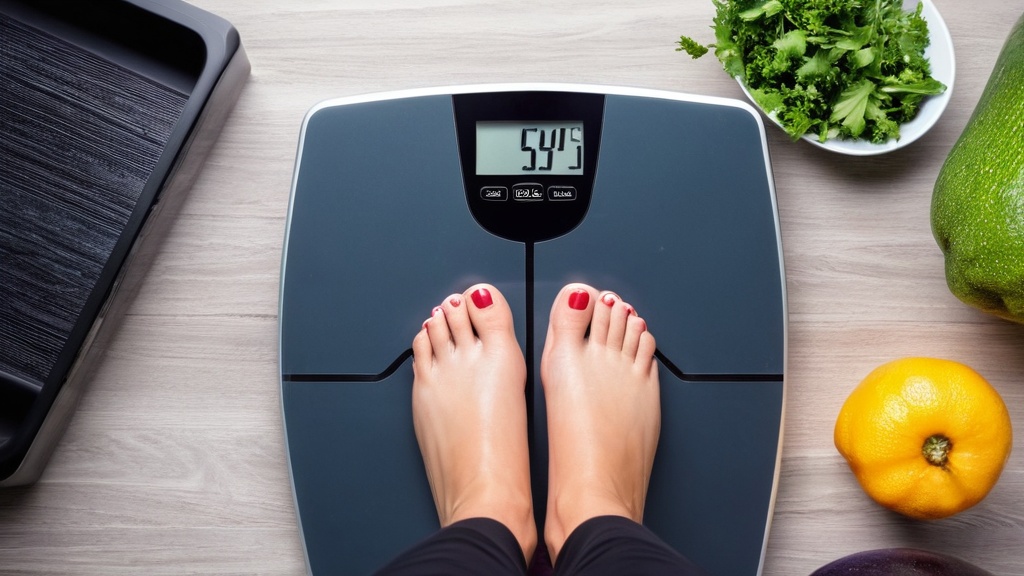
A balanced meal plan includes a variety of foods from all food groups. Aim for a mix of fruits, vegetables, whole grains, lean proteins, and healthy fats. This diversity ensures you receive essential nutrients your body needs to function optimally. For example, a colorful salad with leafy greens, tomatoes, cucumbers, grilled chicken, and a sprinkle of nuts provides vitamins, minerals, protein, and healthy fats.
Meal prepping can simplify your week and help you stick to your plan. Spend a few hours on the weekend preparing meals or snacks for the week ahead. This practice not only saves time but also reduces the temptation to opt for unhealthy convenience foods when you’re busy or tired.
Incorporating Regular Exercise

Regular exercise is vital for maintaining physical health and emotional well-being. Aim for at least 150 minutes of moderate aerobic activity each week, such as brisk walking or cycling. You can break this down into manageable sessions; even 30 minutes a day can make a difference.
Incorporating strength training exercises at least twice a week is also beneficial. Activities like weight lifting or bodyweight exercises help build muscle mass and boost metabolism. Find activities you enjoy—whether it’s dancing, hiking, or swimming—to make exercise feel less like a chore and more like a fun part of your routine.
Finding a Support System
| Metric | Description | Recommended Range/Value | Notes |
|---|---|---|---|
| Body Mass Index (BMI) | Measure of body fat based on height and weight | 18.5 – 24.9 kg/m² | Used to classify underweight, normal weight, overweight, and obesity |
| Waist Circumference | Measurement around the abdomen | Men: < 40 inches (102 cm), Women: < 35 inches (88 cm) | Indicator of abdominal fat and risk for metabolic diseases |
| Body Fat Percentage | Proportion of fat to total body weight | Men: 10-20%, Women: 18-28% | Varies by age and fitness level |
| Caloric Intake | Daily calories consumed | Varies by individual needs | Balance between calories consumed and expended is key for weight management |
| Physical Activity Level | Amount of daily exercise or movement | 150 minutes moderate or 75 minutes vigorous activity per week | Supports weight loss and maintenance |
| Basal Metabolic Rate (BMR) | Calories burned at rest | Varies by age, sex, weight, and height | Helps estimate daily caloric needs |
| Weight Change Rate | Speed of weight loss or gain | 0.5 to 1 kg per week | Safe and sustainable weight loss rate |
Having a support system can significantly enhance your journey toward better health. Surround yourself with friends or family members who share similar goals or values regarding health and wellness. This network can provide encouragement during challenging times and celebrate your successes with you.
Consider joining local fitness classes or online communities focused on health and wellness. Engaging with others who are on similar journeys can offer motivation and accountability. Sharing experiences and tips can make the process more enjoyable and less isolating.
Managing Stress and Emotional Eating
Stress can lead to emotional eating, where individuals turn to food for comfort rather than hunger. Recognizing this pattern is crucial for managing your relationship with food. Instead of reaching for snacks during stressful moments, explore alternative coping strategies like deep breathing exercises or taking a short walk.
Mindfulness practices can also help you become more aware of your eating habits. Try to eat without distractions—like watching TV or scrolling through your phone—so you can focus on your food and recognize when you’re full. This awareness can prevent overeating and promote healthier choices.
Tracking Your Progress
Tracking your progress can provide valuable insights into your health journey. Consider keeping a journal where you log your meals, exercise routines, and feelings throughout the process. This practice helps identify patterns and areas for improvement.
Using apps or wearable devices can also simplify tracking. Many tools allow you to monitor your physical activity, calorie intake, and even mood changes over time. Regularly reviewing this information can motivate you to stay on track and adjust your goals as needed.
Making Healthy Lifestyle Changes
Adopting healthy lifestyle changes requires commitment but can lead to lasting benefits. Start by incorporating small changes into your daily routine. For example, swap sugary drinks for water or choose whole-grain bread instead of white bread. These minor adjustments can accumulate over time and significantly impact your overall health.
Remember that consistency is key. It’s not about perfection but rather about making better choices most of the time. Celebrate small victories along the way; they contribute to building healthier habits that last.
Avoiding Fad Diets and Quick Fixes
Fad diets often promise rapid weight loss but can be unsustainable and unhealthy in the long run. Many restrict essential nutrients or promote unrealistic eating patterns that are difficult to maintain. Instead of following trends, focus on balanced eating habits that nourish your body.
Educate yourself about nutrition from reputable sources like the USDA or the World Health Organization (WHO). Understanding the science behind food choices empowers you to make informed decisions rather than relying on quick fixes that may not serve your long-term health.
Seeking Professional Guidance
If you’re unsure where to start or need personalized advice, consider seeking guidance from a registered dietitian or nutritionist. These professionals can help create tailored meal plans based on your specific needs and goals.
Additionally, consulting with a personal trainer can provide valuable insights into effective exercise routines that suit your fitness level and preferences. Professional guidance ensures that you’re on the right track while minimizing the risk of injury or nutritional deficiencies.
Celebrating Your Successes
Celebrating your successes—big or small—is essential for maintaining motivation on your health journey. Acknowledge milestones like sticking to your meal plan for a week or completing a challenging workout session. These moments deserve recognition as they reflect your hard work and dedication.
Consider rewarding yourself with non-food-related treats, such as new workout gear or a relaxing spa day. Celebrating achievements reinforces positive behavior and encourages you to continue striving toward your goals.
In conclusion, embarking on a journey toward better health involves understanding your body’s needs, setting realistic goals, creating balanced meal plans, incorporating exercise, finding support systems, managing stress, tracking progress, making lifestyle changes, avoiding fad diets, seeking professional guidance, and celebrating successes. By taking these steps thoughtfully and consistently, you can cultivate a healthier lifestyle that lasts a lifetime. Remember that every small change counts; embrace the journey with patience and positivity!