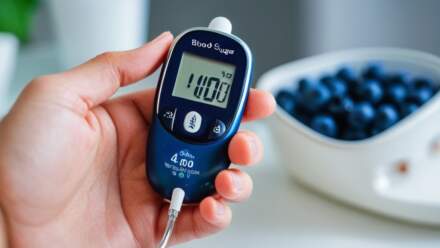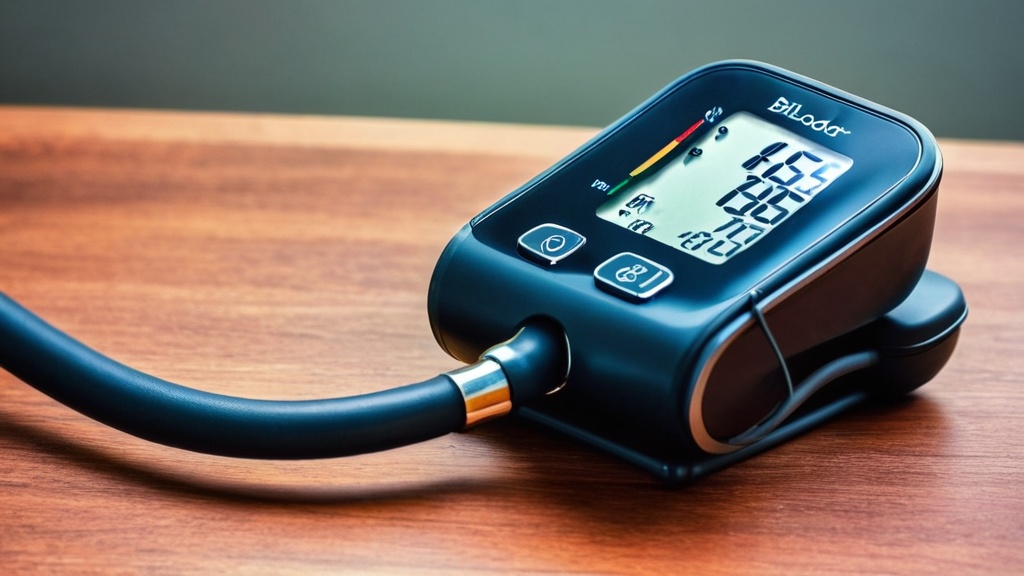

Blood pressure measures the force of blood against the walls of your arteries. It consists of two numbers: systolic and diastolic. Systolic pressure occurs when the heart beats, while diastolic pressure happens when the heart rests between beats. A normal reading is typically around 120/80 mmHg. However, many people experience elevated blood pressure, which can lead to serious health issues.
High blood pressure, or hypertension, often develops silently. You might feel fine, but the strain on your heart and blood vessels can be significant. Over time, this condition increases the risk of heart disease, stroke, and kidney problems. Understanding your blood pressure is crucial for maintaining overall health and preventing complications.
Key Takeaways
- Understanding and managing blood pressure is crucial for overall cardiovascular health.
- Lifestyle changes like diet, exercise, and stress management significantly help lower blood pressure.
- Limiting alcohol, caffeine, and quitting smoking contribute to better blood pressure control.
- Adequate sleep and maintaining a healthy weight are essential factors in managing blood pressure.
- Regular monitoring and use of natural supplements can support effective blood pressure management.
Importance of Lowering Blood Pressure
Lowering blood pressure is vital for reducing the risk of cardiovascular diseases. High blood pressure can damage blood vessels, making them less elastic and more prone to blockages. This can lead to heart attacks or strokes, which are among the leading causes of death worldwide.
Moreover, managing blood pressure can improve your quality of life. Lowering it can enhance energy levels and reduce fatigue. It can also decrease the risk of developing other conditions like diabetes and kidney disease. Taking steps to lower your blood pressure can lead to a healthier, longer life.
Dietary Changes to Lower Blood Pressure
Diet plays a significant role in managing blood pressure. The DASH diet (Dietary Approaches to Stop Hypertension) emphasizes fruits, vegetables, whole grains, and lean proteins. This diet is rich in potassium, magnesium, and fiber, which help lower blood pressure.
Reducing sodium intake is also crucial. Aim for less than 2,300 mg of sodium per day, or even 1,500 mg if you have high blood pressure. Simple changes like cooking at home and avoiding processed foods can make a big difference. For example, seasoning with herbs instead of salt can enhance flavor without raising sodium levels.
Exercise and Physical Activity for Lowering Blood Pressure
Regular physical activity is one of the most effective ways to lower blood pressure. Aim for at least 150 minutes of moderate aerobic exercise each week. Activities like brisk walking, cycling, or swimming can significantly improve heart health.
Incorporating strength training exercises twice a week can also be beneficial. These activities help build muscle and improve overall fitness. Even small changes, like taking the stairs instead of the elevator or walking during lunch breaks, can contribute to better blood pressure management.
Stress Management Techniques for Lowering Blood Pressure
| Metric | Normal Range | Effect on Blood Pressure | Notes |
|---|---|---|---|
| Systolic Blood Pressure | 90-120 mmHg | Lower values indicate lower blood pressure | Optimal systolic pressure is below 120 mmHg |
| Diastolic Blood Pressure | 60-80 mmHg | Lower values indicate lower blood pressure | Optimal diastolic pressure is below 80 mmHg |
| Heart Rate | 60-100 bpm | Lower heart rate can contribute to lower blood pressure | Regular exercise helps maintain healthy heart rate |
| Body Mass Index (BMI) | 18.5-24.9 | Lower BMI is associated with lower blood pressure | Weight management is key for blood pressure control |
| Daily Sodium Intake | Less than 2,300 mg | Lower sodium intake helps reduce blood pressure | Recommended to limit salt consumption |
| Physical Activity | 150 minutes/week moderate exercise | Regular exercise lowers blood pressure | Includes walking, cycling, swimming |
| Stress Levels | Low to moderate | Lower stress contributes to lower blood pressure | Stress management techniques recommended |
Chronic stress can contribute to high blood pressure. Finding effective stress management techniques is essential for overall health. Mindfulness practices such as meditation or yoga can help calm the mind and reduce tension.
Deep breathing exercises are another simple yet effective way to manage stress. Taking a few minutes each day to focus on your breath can lower anxiety levels and promote relaxation. Engaging in hobbies or spending time with loved ones can also provide a much-needed break from daily stressors.
Natural Supplements for Lowering Blood Pressure
Certain natural supplements may help lower blood pressure when combined with lifestyle changes. Omega-3 fatty acids, found in fish oil, have shown promise in reducing hypertension. Garlic supplements may also have a positive effect on blood pressure levels.
Before starting any supplement regimen, consult with a healthcare professional. They can help determine the right dosage and ensure that it won’t interact with any medications you may be taking. Remember that supplements should complement a healthy lifestyle rather than replace it.
Limiting Alcohol and Caffeine Intake for Lowering Blood Pressure
Both alcohol and caffeine can impact blood pressure levels. While moderate alcohol consumption may have some benefits for heart health, excessive drinking can raise blood pressure significantly. Limiting alcohol intake to one drink per day for women and two for men is advisable.
Caffeine’s effects on blood pressure vary among individuals. Some people may experience a temporary spike in blood pressure after consuming caffeine. If you notice this effect, consider reducing your intake or switching to decaffeinated options.
Importance of Adequate Sleep for Lowering Blood Pressure
Quality sleep is essential for overall health and well-being, including blood pressure management. Poor sleep patterns can lead to increased stress hormones, which may elevate blood pressure levels. Aim for 7-9 hours of quality sleep each night.
Establishing a bedtime routine can improve sleep quality. Try to go to bed and wake up at the same time each day. Create a relaxing environment by dimming lights and avoiding screens before bedtime. These small changes can lead to better sleep and improved blood pressure control.
Maintaining a Healthy Weight for Lowering Blood Pressure
Carrying excess weight increases the risk of high blood pressure. Losing even a small amount of weight can have a significant impact on your numbers. A combination of healthy eating and regular exercise is key to achieving and maintaining a healthy weight.
Set realistic goals for weight loss and focus on gradual changes rather than drastic measures. Incorporate more fruits and vegetables into your meals while reducing portion sizes of high-calorie foods. This approach not only helps with weight management but also supports overall heart health.
Quitting Smoking for Lowering Blood Pressure
Smoking has numerous negative effects on cardiovascular health, including raising blood pressure. Quitting smoking can lead to immediate improvements in heart health and lower blood pressure over time. The benefits begin just 20 minutes after your last cigarette.
Seek support when trying to quit smoking. Many resources are available, including counseling services and nicotine replacement therapies. Surround yourself with supportive friends or family members who encourage your efforts to quit.
Monitoring and Managing Blood Pressure Levels
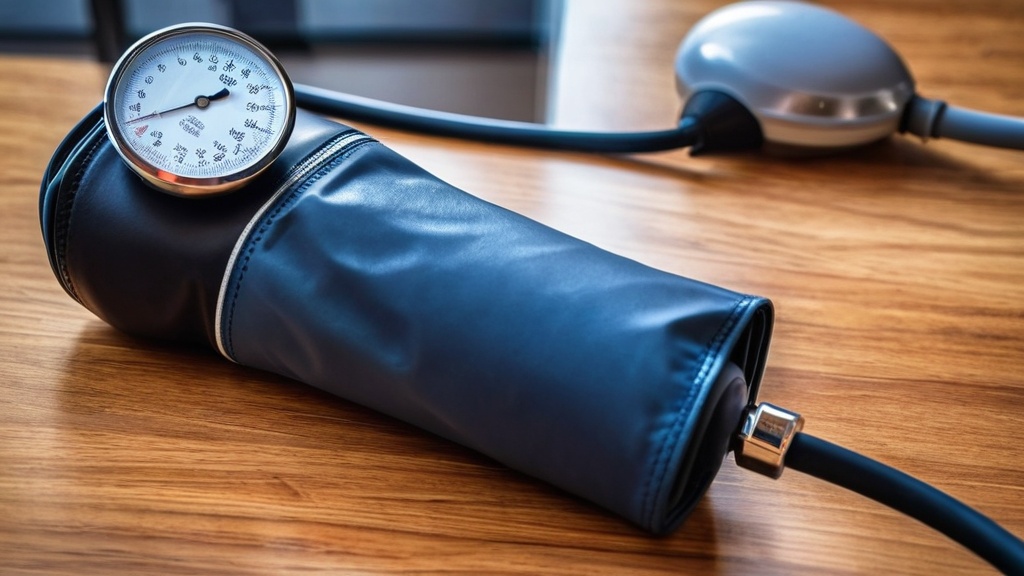
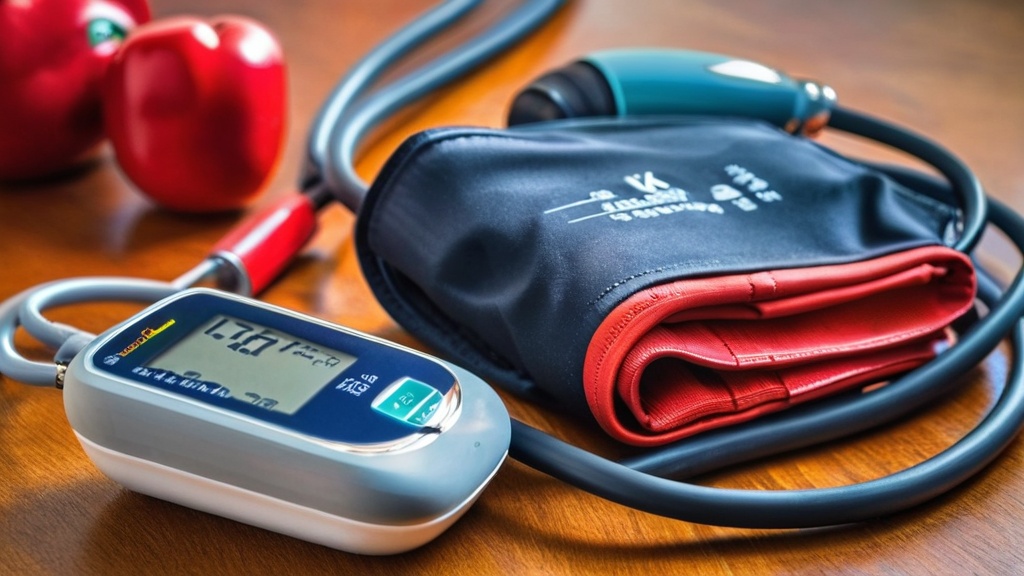
Regularly monitoring your blood pressure is essential for effective management. Home blood pressure monitors are widely available and easy to use. Keeping track of your readings can help you identify patterns and make necessary lifestyle adjustments.
Consult with your healthcare provider about your target blood pressure goals and how often you should check your levels. They can provide guidance on managing high blood pressure through lifestyle changes or medications if needed. Staying informed about your health empowers you to take control of your well-being.
In conclusion, understanding and managing blood pressure is crucial for maintaining overall health. By making dietary changes, engaging in regular exercise, managing stress, and adopting other healthy habits, you can effectively lower your blood pressure and reduce the risk of serious health issues. Remember that small changes can lead to significant improvements over time, so start today!