Preventive healthcare is a vital aspect of maintaining overall health and well-being. It focuses on preventing diseases before they occur rather than treating them after they develop. Regular preventive practices such as hand hygiene and routine medical check-ups can effectively prevent minor illnesses and detect serious health conditions at early, more treatable stages.
By prioritizing preventive healthcare, individuals can enhance their quality of life and reduce the burden on healthcare systems. According to the Centers for Disease Control and Prevention (CDC), preventive measures can save lives and reduce healthcare costs. Proactive health management benefits both individual health outcomes and contributes to the overall health of communities through reduced disease transmission and more efficient use of healthcare resources.
Key Takeaways
- Preventive healthcare is essential for early detection and avoiding serious illnesses.
- Common practices include regular screenings, vaccinations, and healthy lifestyle choices.
- Healthcare providers play a crucial role in guiding and supporting preventive measures.
- Overcoming barriers like cost and access is vital to ensure everyone benefits from preventive care.
- Prioritizing nutrition, exercise, and community involvement enhances overall preventive health outcomes.
Understanding Preventive Healthcare
Preventive healthcare encompasses a range of services designed to detect and prevent illnesses. This includes routine screenings, vaccinations, and lifestyle counseling. For instance, regular blood pressure checks can identify hypertension early, allowing for timely intervention.
Similarly, vaccinations protect against diseases like measles and flu, which can have severe consequences. Preventive healthcare is not just about physical health; it also includes mental well-being. Regular mental health screenings can help identify issues like anxiety or depression early on.
By addressing these concerns promptly, individuals can lead healthier, more fulfilling lives.
Benefits of Prioritizing Preventive Healthcare
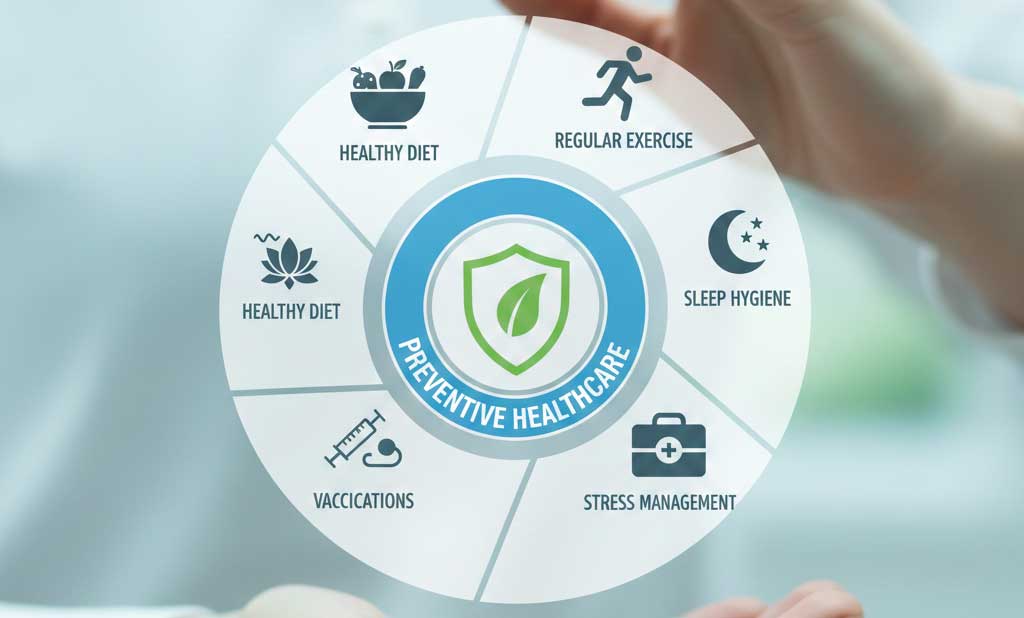
The benefits of preventive healthcare extend beyond individual health. Regular check-ups and screenings can lead to early detection of diseases, which often results in better treatment outcomes. For example, catching cancer in its early stages can significantly increase survival rates.
The American Cancer Society emphasizes that early detection through screenings saves lives. Moreover, preventive healthcare can lead to cost savings for both individuals and society. According to a study published in the American Journal of Preventive Medicine, every dollar spent on preventive services can save up to $5 in treatment costs.
This financial incentive highlights the importance of investing in preventive measures.
Common Preventive Healthcare Practices
Several common practices fall under the umbrella of preventive healthcare. Regular physical exams are essential for monitoring health status and identifying potential issues. Screenings for cholesterol, diabetes, and certain cancers are crucial for early detection.
Vaccinations are another key component of preventive care. They protect against various infectious diseases and help maintain herd immunity within communities. Additionally, lifestyle modifications such as maintaining a balanced diet and engaging in regular exercise play a significant role in preventing chronic diseases like heart disease and diabetes.
How to Incorporate Preventive Healthcare into Your Routine
| Blood Pressure Screening | Measurement of blood pressure to detect hypertension | At least once every 2 years | Adults aged 18 and older |
| Cholesterol Screening | Blood test to measure cholesterol levels | Every 4-6 years | Adults aged 20 and older |
| Colorectal Cancer Screening | Tests to detect colorectal cancer early | Every 10 years (colonoscopy) or annually (stool test) | Adults aged 45-75 |
| Influenza Vaccination | Annual vaccine to prevent seasonal flu | Annually | All individuals aged 6 months and older |
| Body Mass Index (BMI) Assessment | Measurement to assess healthy body weight | At every routine health visit | All adults and children |
| Diabetes Screening | Blood test to detect type 2 diabetes or prediabetes | Every 3 years or as recommended | Adults aged 35-70 who are overweight or obese |
| Dental Check-up | Examination to prevent oral diseases | Every 6 months to 1 year | All individuals |
| Vision Screening | Tests to detect vision problems | Every 1-2 years | Adults aged 40 and older |
Incorporating preventive healthcare into your daily routine doesn’t have to be overwhelming. Start by scheduling regular check-ups with your healthcare provider. These appointments can help you stay on track with necessary screenings and vaccinations.
Additionally, consider adopting healthy lifestyle habits. Aim for at least 150 minutes of moderate exercise each week and focus on a balanced diet rich in fruits, vegetables, whole grains, and lean proteins. Small changes, like taking the stairs instead of the elevator or preparing meals at home, can make a big difference over time.
The Role of Healthcare Providers in Preventive Healthcare

Healthcare providers play a crucial role in promoting preventive healthcare. They educate patients about the importance of screenings and vaccinations while providing personalized recommendations based on individual health needs. A proactive approach from providers can empower patients to take charge of their health.
Moreover, healthcare providers can help identify barriers to accessing preventive services. By understanding patients’ unique circumstances, they can offer tailored solutions that encourage regular participation in preventive care.
Overcoming Barriers to Accessing Preventive Healthcare
Despite the clear benefits of preventive healthcare, many individuals face barriers to accessing these services. Financial constraints often deter people from seeking necessary screenings or vaccinations. According to the Kaiser Family Foundation, lack of insurance or high out-of-pocket costs can significantly impact access to care.
Geographic location also plays a role in access to preventive services. Rural areas may lack healthcare facilities or providers, making it challenging for residents to receive timely care. Community outreach programs can help bridge these gaps by providing education and resources to underserved populations.
The Economic Impact of Prioritizing Preventive Healthcare
Investing in preventive healthcare has significant economic implications. A healthier population reduces the overall burden on healthcare systems, leading to lower costs for everyone involved. The CDC estimates that every dollar spent on immunizations saves approximately $3 in direct healthcare costs and about $10 in additional societal costs.
Furthermore, healthier individuals contribute more effectively to the workforce. They take fewer sick days and are more productive overall. By prioritizing preventive care, society can foster a healthier economy while improving individual quality of life.
Preventive Healthcare for Different Age Groups
Preventive healthcare needs vary across different age groups. For children, vaccinations are crucial for preventing infectious diseases. Regular check-ups help monitor growth and development while identifying any potential health issues early on.
As individuals age, the focus shifts toward screenings for chronic conditions such as diabetes, heart disease, and certain cancers. Older adults should prioritize regular health assessments and discuss any changes in their health with their providers. Tailoring preventive measures to specific age groups ensures that everyone receives appropriate care.
The Role of Nutrition and Exercise in Preventive Healthcare
Nutrition and exercise are foundational elements of preventive healthcare. A balanced diet rich in nutrients supports overall health and helps prevent chronic diseases. Research shows that diets high in fruits, vegetables, whole grains, and lean proteins can reduce the risk of conditions like obesity, diabetes, and heart disease.
Regular physical activity is equally important. Engaging in exercise not only helps maintain a healthy weight but also improves mental well-being. The World Health Organization recommends at least 150 minutes of moderate-intensity aerobic activity each week for adults.
Simple activities like walking or cycling can make a significant impact on health.
Making Preventive Healthcare a Priority in Your Community
Communities play a vital role in promoting preventive healthcare initiatives. Local organizations can host health fairs that offer free screenings and educational resources. Schools can implement programs that teach children about healthy habits from an early age.
Advocating for policies that support access to preventive services is also essential. Communities can work together to ensure that everyone has access to necessary care regardless of their financial situation or geographic location. By fostering a culture that prioritizes preventive healthcare, we can create healthier communities for all.
In conclusion, preventive healthcare is essential for maintaining individual health and well-being while benefiting society as a whole. By understanding its importance and incorporating it into daily routines, we can reduce the risk of diseases and improve our quality of life. Together with healthcare providers and community initiatives, we can make preventive healthcare a priority for everyone.