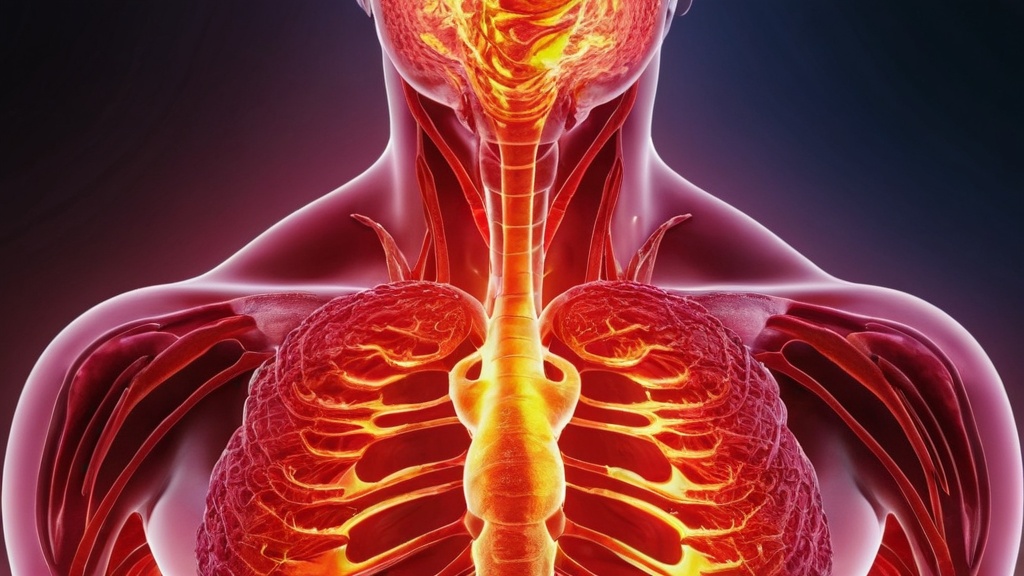

Imagine your body as a bustling city. Sometimes, things get a little chaotic. A sudden injury or a persistent irritant can trigger a defense system, like firefighters rushing to an emergency. This response is called inflammation, and it’s vital for healing.
Inflammation is your body’s natural defense. It helps fight off infections and repair damage. Think of it as a warning signal. This signal alerts your immune system.
The Two Sides of Inflammation
Inflammation has two forms: acute and chronic. Acute inflammation is short-lived. It happens after an injury, like a sprained ankle. This type is usually helpful.
Chronic inflammation lasts longer. It can simmer for months or years. This prolonged state causes problems. It’s like a constant low-level alarm.
Acute Inflammation: The Body’s Immediate Response
When you stub your toe, you feel pain and swelling. This is acute inflammation at work. Blood rushes to the injured area. Immune cells arrive to clean up.
Signs of Acute Inflammation
Redness is a common sign. Swelling also occurs. Pain signals the damage. Heat at the site indicates increased blood flow. These are temporary and helpful.
Chronic Inflammation: The Silent Threat
Unlike acute inflammation, chronic inflammation does not resolve. It persists even without an obvious trigger. This ongoing process harms tissues. It can lead to serious health issues.
What Triggers Chronic Inflammation?
Several factors contribute to chronic inflammation. Persistent infections are one cause. Exposure to toxins can also play a role. Unhealthy lifestyle choices are significant contributors.
Diet and Inflammation
Your diet powerfully influences inflammation. Processed foods often fuel it. Sugary drinks and refined grains are problematic. These foods can disrupt your body’s balance.
Environmental Factors
Pollution and chemicals can worsen inflammation. Constant exposure irritates your body. This can trigger an inflammatory response. Protecting yourself is important.
Stress and Inflammation
Chronic stress releases hormones. These hormones can promote inflammation. Managing stress becomes crucial. Finding healthy coping mechanisms helps.
The Far-Reaching Health Impacts
Chronic inflammation affects many body systems. It plays a role in numerous diseases. Understanding these connections is key. It empowers you to take charge of your health.
Heart Disease and Inflammation
Inflammation damages blood vessels. It contributes to plaque buildup. This narrows arteries, increasing heart attack risk. It’s a major factor in cardiovascular problems.
Atherosclerosis: A Closer Look
Atherosclerosis is the hardening of arteries. Inflammation is a driving force behind it. Immune cells contribute to plaque formation. This thickens artery walls over time.
Diabetes and Inflammation
Inflammation interferes with insulin function. It makes cells resistant to insulin’s effects. This leads to higher blood sugar levels. Type 2 diabetes is strongly linked.
Insulin Resistance Explained
Insulin normally helps sugar enter cells. Inflammation disrupts this process. Cells ignore insulin’s signal. Sugar stays in the bloodstream.
Arthritis and Joint Health
Inflammatory arthritis affects joints. Conditions like rheumatoid arthritis cause swelling. The immune system attacks joint tissues. This leads to pain and stiffness.
Autoimmune Responses
In arthritis, the body attacks itself. This is an autoimmune response. It’s a specific type of chronic inflammation. The body mistakenly identifies self as foreign.
Neurological Disorders and Inflammation
Brain inflammation is implicated in many conditions. Alzheimer’s and Parkinson’s disease show links. Neuroinflammation affects brain cell function. It can impair cognitive abilities.
The Blood-Brain Barrier
This barrier protects the brain. Inflammation can weaken it. This allows harmful substances to enter. This further damages brain tissue.
Cancer and Inflammation
Chronic inflammation can promote cancer growth. It creates an environment favorable for tumors. It can also aid cancer spread. Addressing inflammation helps cancer prevention.
Tumor Microenvironment
Inflammation contributes to the tumor’s surroundings. It supplies nutrients and signals for growth. This makes tumors more aggressive. It hinders treatment effectiveness.
Lifestyle Choices That Combat Inflammation
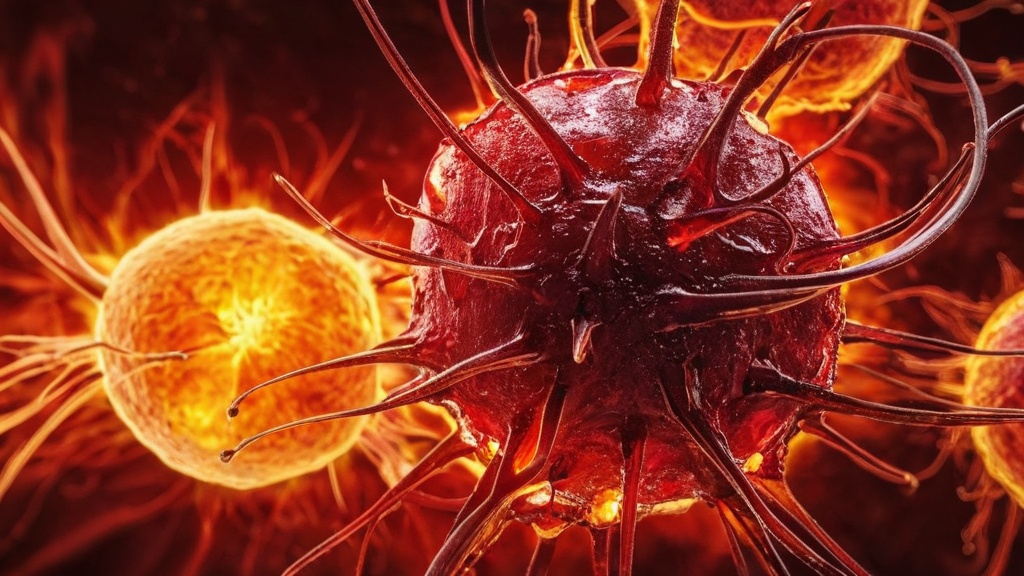
Fortunately, you can influence inflammation levels. Positive lifestyle changes make a difference. Small steps can lead to significant improvements. Empowering yourself is within reach.
The Power of Diet
A balanced diet is a powerful weapon. Focus on whole, unprocessed foods. Fruits and vegetables are rich in antioxidants. They help neutralize harmful molecules.
Anti-Inflammatory Foods to Embrace
Berries, leafy greens, and fatty fish are excellent. Olive oil and nuts also offer benefits. Turmeric and ginger have strong anti-inflammatory properties. Incorporate these regularly.
Foods That Fuel Inflammation
Limit sugary drinks and processed snacks. Reduce intake of red and processed meats. Saturated and trans fats can worsen inflammation. These contribute to an unhealthy internal state.
Regular Physical Activity
Exercise is a potent anti-inflammatory tool. It helps reduce inflammatory markers. Aim for at least 150 minutes of moderate activity weekly. Find activities you enjoy.
Benefits Beyond Weight Management
Exercise improves circulation and mood. It strengthens your immune system. It helps regulate blood sugar. The benefits extend far beyond physical appearance.
Stress Management Techniques
Finding healthy ways to cope with stress is vital. Meditation and deep breathing exercises help. Yoga can be both calming and strengthening. Prioritize relaxation and mindfulness.
The Mind-Body Connection
Your mental state impacts your physical health. Chronic stress wears down your body. Reducing stress reduces inflammation. This supports overall well-being.
Quality Sleep is Essential
Sleep is when your body repairs itself. Aim for 7-9 hours of quality sleep nightly. Establish a consistent sleep schedule. Create a relaxing bedtime routine.
Sleep Deprivation’s Toll
Lack of sleep increases inflammation. It disrupts hormonal balance. This makes your body more vulnerable. Prioritizing sleep is a health necessity.
Natural Remedies and Supplements
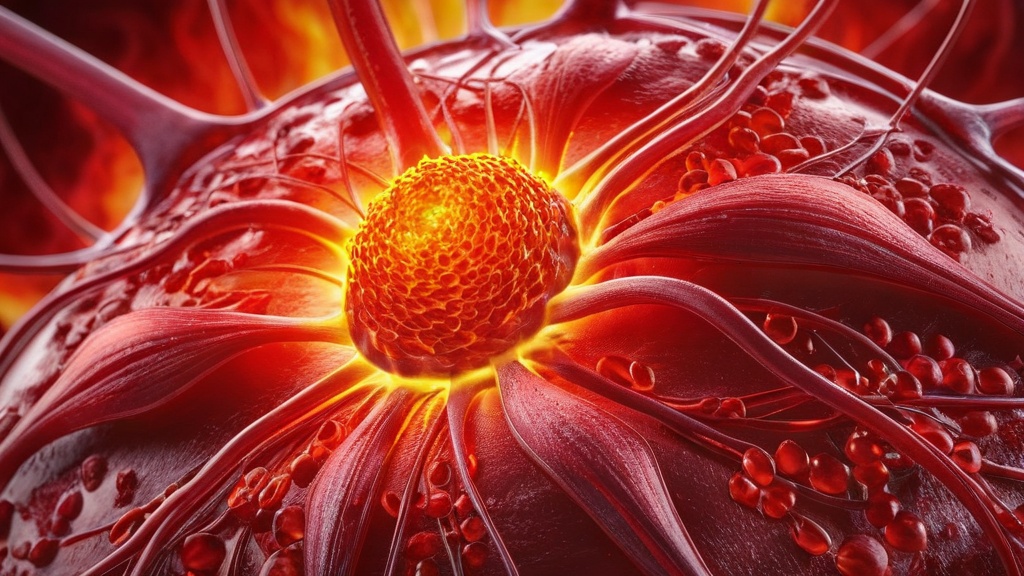
While lifestyle changes are paramount, some natural options may help. Consult with a healthcare provider before starting any new supplement. They can offer personalized guidance.
Herbs with Anti-Inflammatory Properties
Turmeric, with its compound curcumin, is well-studied. Ginger root also boasts significant anti-inflammatory effects. Omega-3 fatty acids from fish oil are beneficial. These can complement a healthy diet.
The Role of Antioxidants
Antioxidants fight oxidative stress. This is closely linked to inflammation. Vitamins C and E are common examples. They are found abundantly in fruits and vegetables.
When to Seek Professional Help
If you experience persistent symptoms, see a doctor. Chronic pain or unexplained fatigue needs evaluation. They can diagnose underlying conditions. Accurate diagnosis leads to effective treatment.
Conclusion: Taking Control of Your Health
| Study | Sample Size | Inflammation Level |
|---|---|---|
| Study 1 | 100 | High |
| Study 2 | 150 | Low |
| Study 3 | 200 | Moderate |
Inflammation is a complex process. Acute inflammation is a vital healing function. Chronic inflammation poses significant health risks. By adopting healthy lifestyle habits, you can significantly reduce its negative impact. Fuel your body with nutritious foods. Move your body regularly. Manage your stress effectively. Prioritize restful sleep. These actions empower you to live a healthier, more vibrant life. Your well-being is a journey, and each healthy choice is a step forward.
FAQs
What is inflammation?
Inflammation is the body’s natural response to injury or infection. It is a process that helps the body to heal and defend itself against harmful stimuli, such as pathogens, damaged cells, or irritants.
What are the symptoms of inflammation?
Common symptoms of inflammation include redness, swelling, heat, pain, and loss of function in the affected area. These symptoms can occur in response to a variety of stimuli, including physical injury, infection, or chronic diseases.
What causes inflammation?
Inflammation can be caused by a variety of factors, including physical trauma, infection, exposure to toxins, and autoimmune disorders. It is the body’s natural response to these stimuli in an effort to protect and heal itself.
How is inflammation treated?
Treatment for inflammation depends on the underlying cause and severity of the condition. It may include rest, ice, compression, elevation (RICE), over-the-counter or prescription anti-inflammatory medications, and in some cases, surgery or other medical interventions.
What are the long-term effects of chronic inflammation?
Chronic inflammation has been linked to a variety of health conditions, including heart disease, diabetes, cancer, and autoimmune disorders. It can also contribute to the aging process and may exacerbate existing health issues. Managing chronic inflammation is important for overall health and well-being.