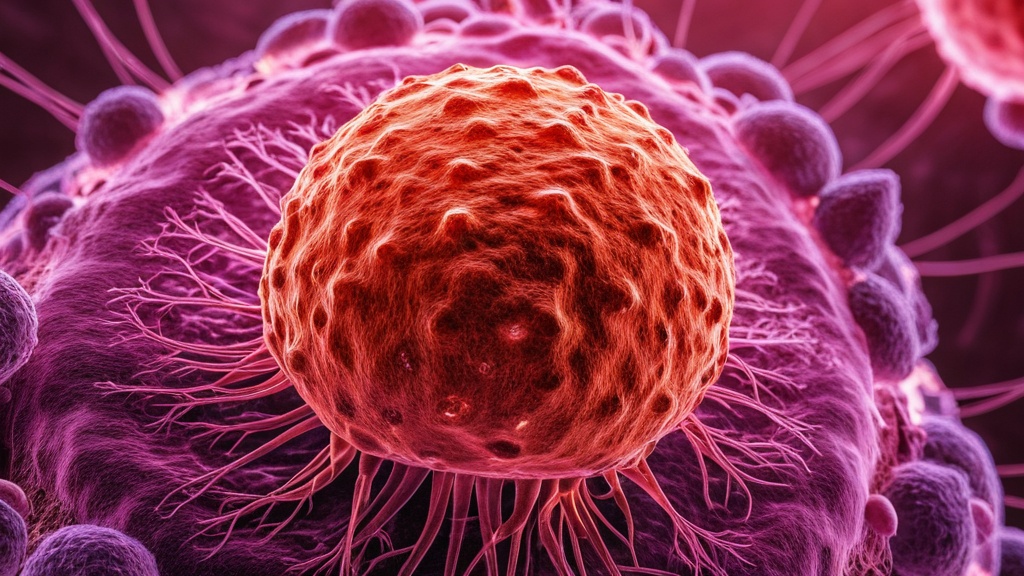

Cancer recurrence is the return of cancer after a period of remission. This can occur months or years following initial treatment. The recurring cancer may appear at the original site or metastasize to different areas of the body.
Understanding recurrence is essential for patients and their families as it significantly impacts ongoing cancer management and treatment planning. The possibility of recurrence remains a significant concern for many cancer survivors. When cancer returns after a patient has completed treatment and entered a hopeful recovery phase, it presents substantial emotional and medical challenges.
This reality underscores the importance of comprehending both the clinical definition of recurrence and its broader implications for continued care.
Key Takeaways
- Cancer recurrence refers to the return of cancer after treatment and remission.
- Risk factors include cancer type, stage, genetics, and lifestyle habits.
- Recurrence can be local, regional, or distant (metastatic).
- Symptoms vary but may include pain, lumps, or unexplained weight loss.
- Regular follow-up and monitoring are crucial for early detection and management.
Factors that Increase the Risk of Cancer Recurrence
Several factors can increase the likelihood of cancer recurrence. One significant factor is the type and stage of the original cancer. For instance, aggressive cancers or those diagnosed at a later stage often have higher recurrence rates.
Additionally, certain genetic mutations can predispose individuals to a higher risk of returning cancer. Lifestyle choices also play a role. Smoking, poor diet, and lack of physical activity can contribute to recurrence.
For example, a study published in the Journal of Clinical Oncology found that obesity is linked to worse outcomes in breast cancer survivors. Understanding these factors can empower patients to make informed decisions about their health.
Types of Cancer Recurrence
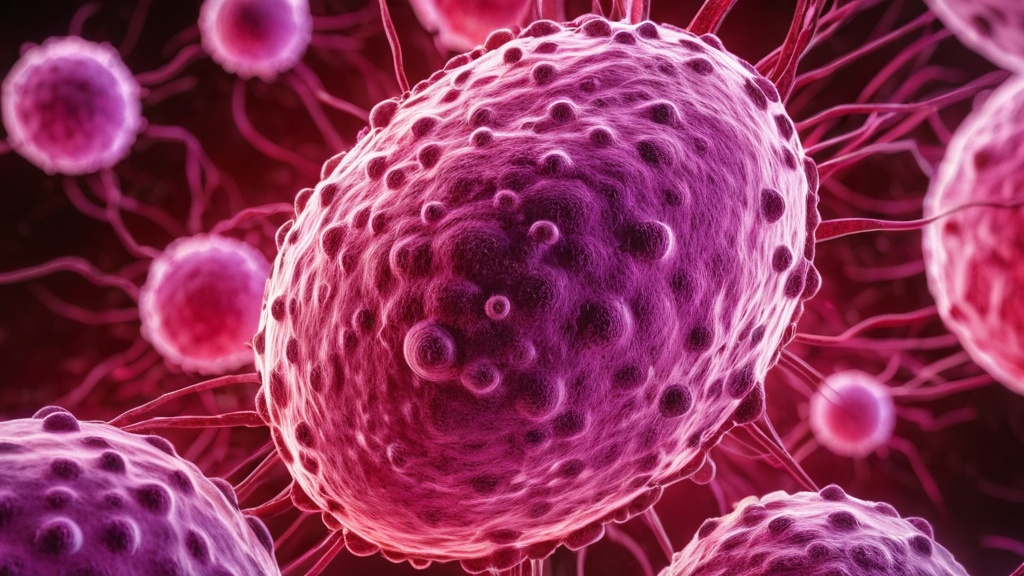
Cancer recurrence can be classified into three main types: local, regional, and distant. Local recurrence occurs when cancer returns to the original site. Regional recurrence happens when it reappears in nearby lymph nodes or tissues.
Distant recurrence, often referred to as metastasis, involves cancer spreading to distant organs, such as the liver or lungs. Each type of recurrence presents unique challenges and treatment considerations. For instance, local recurrences may be treated with surgery or radiation, while distant recurrences often require systemic therapies like chemotherapy or targeted treatments.
Understanding these distinctions helps patients and healthcare providers tailor their approach to care.
Symptoms of Cancer Recurrence
Recognizing the symptoms of cancer recurrence is vital for early detection and intervention. Common signs may include unexplained weight loss, persistent pain, fatigue, or changes in appetite. For example, a breast cancer survivor might notice a lump in their breast or swelling in nearby lymph nodes.
Other symptoms can vary based on the type of cancer and its location. A patient with lung cancer might experience a persistent cough or difficulty breathing. Being aware of these symptoms can prompt timely medical evaluation and potentially improve outcomes.
Diagnosis and Monitoring of Cancer Recurrence
| Type of Cancer | Recurrence Rate (%) | Average Time to Recurrence (months) | Common Sites of Recurrence | Factors Influencing Recurrence |
|---|---|---|---|---|
| Breast Cancer | 20-30 | 18-24 | Local breast tissue, lymph nodes, bones, lungs | Stage at diagnosis, hormone receptor status, treatment type |
| Colorectal Cancer | 30-40 | 12-36 | Liver, lungs, peritoneum | Tumor stage, lymph node involvement, surgical margins |
| Lung Cancer (Non-Small Cell) | 30-55 | 12-18 | Local lung tissue, brain, bones, adrenal glands | Stage, smoking status, molecular markers |
| Prostate Cancer | 20-40 | 24-48 | Local prostate bed, bones, lymph nodes | PSA levels, Gleason score, surgical margins |
| Ovarian Cancer | 70-80 | 12-24 | Peritoneum, lymph nodes, liver surface | Stage at diagnosis, residual tumor after surgery |
Diagnosing cancer recurrence typically involves a combination of imaging tests and biopsies. Doctors may use CT scans, MRIs, or PET scans to identify any suspicious areas. If something concerning is found, a biopsy can confirm whether it is indeed cancer.
Regular monitoring is crucial for survivors. Follow-up appointments often include physical exams and blood tests to check for tumor markers. For instance, prostate-specific antigen (PSA) levels are monitored in prostate cancer survivors.
Staying vigilant through these diagnostic measures can lead to earlier interventions if recurrence occurs.
Treatment Options for Cancer Recurrence
Treatment options for cancer recurrence depend on various factors, including the type of cancer, its location, and previous treatments received. Surgery may be an option for local recurrences, allowing for the removal of tumors that have returned. For regional or distant recurrences, systemic therapies like chemotherapy, targeted therapy, or immunotherapy may be necessary.
These treatments aim to attack cancer cells throughout the body. A personalized approach is essential; what works for one patient may not work for another.
Emotional and Psychological Impact of Cancer Recurrence
The emotional toll of cancer recurrence can be profound. Patients often experience anxiety, fear, and uncertainty about their future. Imagine a survivor who has just received news of recurrence; they may feel as if they are back at square one.
Support systems play a crucial role in coping with these feelings. Engaging with support groups or mental health professionals can provide comfort and understanding. Research shows that addressing emotional well-being is just as important as physical health in managing cancer recurrence.
Lifestyle Changes to Reduce the Risk of Cancer Recurrence
Making lifestyle changes can significantly impact the risk of cancer recurrence. A balanced diet rich in fruits, vegetables, whole grains, and lean proteins supports overall health. Regular physical activity also plays a vital role; studies indicate that exercise can lower the risk of recurrence in several cancers.
Additionally, avoiding tobacco and limiting alcohol consumption are essential steps. For example, a study published in Cancer Epidemiology, Biomarkers & Prevention found that smoking cessation significantly reduces the risk of lung cancer recurrence. Small changes can lead to substantial benefits over time.
Support and Resources for Patients Facing Cancer Recurrence
Patients facing cancer recurrence should know they are not alone. Numerous resources are available to provide support and information. Organizations like the American Cancer Society offer educational materials and support groups tailored to specific cancers.
Online forums and local community groups can also connect patients with others who share similar experiences. These platforms foster a sense of community and understanding, helping individuals navigate their journeys with support from others who truly understand their challenges.
Importance of Regular Follow-Up Care After Cancer Treatment
Regular follow-up care is crucial after completing cancer treatment. These appointments allow healthcare providers to monitor for any signs of recurrence and manage potential side effects from previous treatments. Consistent check-ups help ensure that any issues are addressed promptly.
Patients should actively participate in their follow-up care by discussing any new symptoms or concerns with their healthcare team. This proactive approach fosters a collaborative relationship between patients and providers, ultimately leading to better health outcomes.
Research and Advances in Cancer Recurrence Prevention and Treatment
Ongoing research continues to advance our understanding of cancer recurrence prevention and treatment options. Scientists are exploring new therapies that target specific genetic mutations associated with certain cancers. For example, targeted therapies have shown promise in treating breast cancer with specific genetic markers.
Clinical trials also play a vital role in discovering innovative treatments for recurrent cancers. Patients may consider participating in these trials to access cutting-edge therapies while contributing to valuable research efforts. Staying informed about advancements can empower patients in their fight against cancer recurrence.
In conclusion, understanding cancer recurrence is essential for patients navigating their journey after treatment. By recognizing risk factors, symptoms, and available resources, individuals can take proactive steps toward managing their health. With ongoing research and support systems in place, there is hope for improved outcomes and quality of life for those facing this challenge.