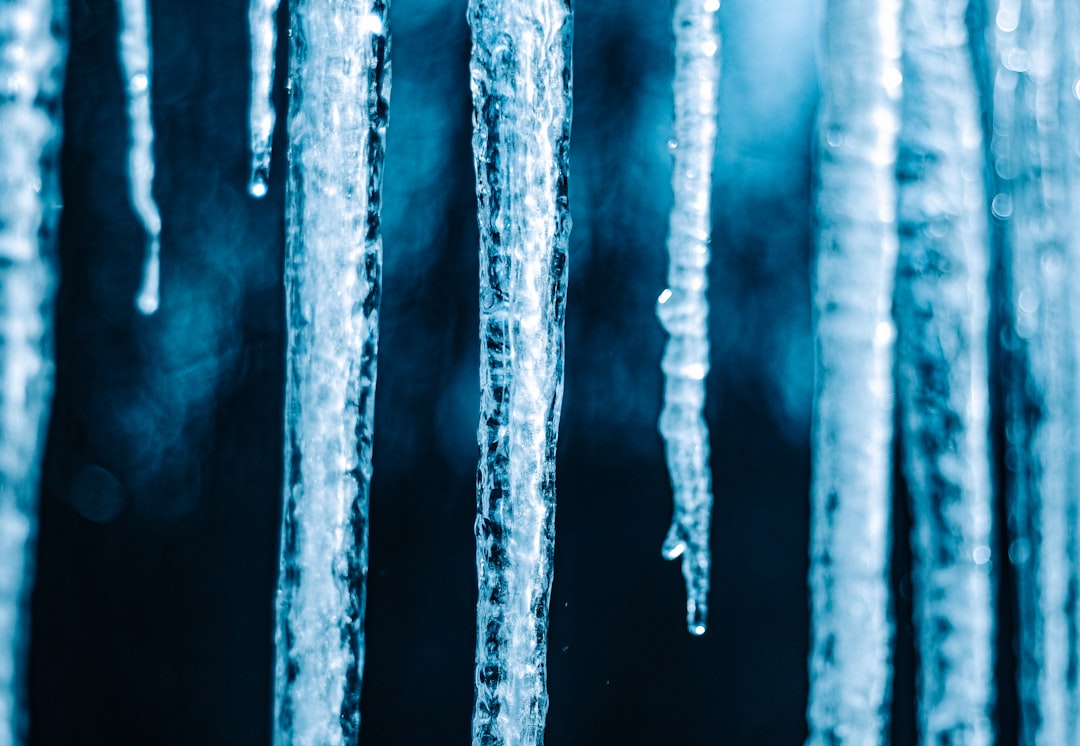

Imagine stepping out on a crisp winter day. The air bites your cheeks. You notice your fingers feel a bit numb. This is your body’s first whisper that the cold is winning. Hypothermia is more than just feeling chilly; it’s a dangerous drop in body temperature. Understanding it can protect you and your loved ones.
Hypothermia occurs when your body loses heat faster than it produces it. Your internal thermostat struggles to keep up. This can happen in cold weather or even in cool, wet conditions. It’s a medical emergency.
Your Body’s Natural Defenses
Your body has ways to fight the cold. Shivering is a key defense. Muscles contract rapidly to create heat. This is your body’s alarm bell ringing.
When Defenses Fail
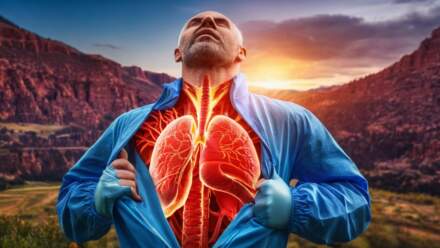
When cold exposure is too long or intense, these defenses weaken. Your body temperature falls dangerously low. This affects your brain and vital organs. It impairs your ability to think and move.
Recognizing the Signs of Hypothermia
Spotting hypothermia early is crucial. Symptoms vary depending on how severe it is. Mild cases have distinct warning signs. More serious stages present more alarming changes.
Mild Hypothermia: The Early Whispers
In mild hypothermia, you might experience uncontrollable shivering. Your coordination may suffer. You could find it hard to concentrate. Your thinking might become a bit muddled.
Relatable Scenario: A child playing in the snow might start to shiver intensely. They might complain their hands are cold and want to come inside. This is a clear sign to stop outdoor play.
Moderate Hypothermia: The Growing Alarm
As your body cools further, shivering might stop. This doesn’t mean you’re better. It can indicate a more serious condition. Confusion and drowsiness become more prominent. Slurred speech can occur.
Relatable Scenario: An adult after a long hike in unexpectedly cold rain might become increasingly confused. They might not realize how cold they are. They may start to act erratically.
Severe Hypothermia: The Critical Danger
Severe hypothermia is life-threatening. The person may lose consciousness. Breathing can become very slow or stop entirely. A pulse might become undetectable.
Relatable Scenario: Someone stranded in frigid water might become unresponsive. Their vital signs may virtually disappear. This is a moment for immediate emergency action.
Other Important Symptoms
Besides core temperature changes, other signs appear. Skin may feel cold and look pale. Pupils might become dilated. Muscles can become stiff. You might notice a lack of energy.
Causes and Risk Factors
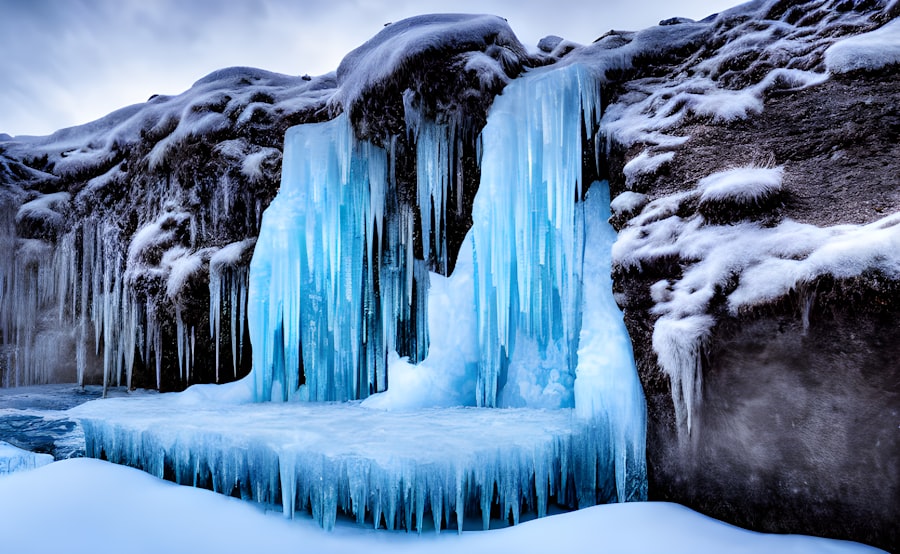
Many situations can lead to hypothermia. Understanding these risks helps in prevention. Certain individuals or conditions increase vulnerability.
Environmental Factors
Prolonged exposure to cold is the primary cause. This includes being outdoors in winter. It also applies to being in cool, damp environments. Being wet significantly speeds up heat loss.
Relatable Scenario: A hiker caught in a sudden storm without proper rain gear can become hypothermic quickly. The wet clothes strip away body heat.
Individual Vulnerability
Age is a factor. Infants and the elderly have less efficient thermoregulation. People with certain medical conditions are also at higher risk. These include thyroid problems or diabetes. Medications can also play a role.
Relatable Scenario: An older adult living in a poorly heated home might be at constant risk. Their body struggles to maintain warmth.
Lifestyle Choices
Certain behaviors increase risk. Excessive alcohol consumption impairs judgment. It also dilates blood vessels, increasing heat loss. Some drugs can have similar effects. Strenuous activity that causes sweating can also be a problem.
Relatable Scenario: Someone drinking alcohol at a winter party might not realize how cold they are. They may stay outside longer than they should.
Immediate Treatment for Hypothermia
Treating hypothermia demands prompt action and careful methods. The goal is to gently restore body temperature. Rapid warming can be harmful.
First Aid Steps
If you suspect hypothermia, act fast. Remove the person from the cold source. Take off any wet clothing immediately. Replace it with dry layers. Use blankets to insulate them.
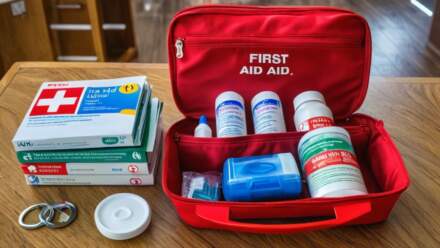
Actionable Tip: Keep a dry blanket or sleeping bag in your car during winter trips. It’s a simple tool for emergencies.
Gentle Rewarming Techniques
For mild hypothermia, passive external rewarming works. This involves covering the person with blankets. Use body heat from another person. Gradual warming is key.
Relatable Scenario: Wrapping a shivering child in warm, dry towels after they fell into a cold puddle helps them recover.
Advanced Medical Interventions
Severe hypothermia requires professional medical care. Emergency responders might use specialized techniques. These include warm intravenous fluids. They might also use warmed oxygen.
Actionable Tip: Always call for emergency medical help if someone is severely hypothermic or unresponsive. Do not delay.
The Importance of Slow Rewarming
Never rush the rewarming process. Rapidly heating the body can cause serious complications. It can lead to heart problems or rewarming shock. Focus on warming the core of the body. This includes the chest, neck, and groin.
Relatable Scenario: Imagine a frozen pipe that is suddenly blasted with hot water. It might burst. The body can react similarly to rapid warming.
Resuscitation in Severe Cases
Even if a person appears lifeless due to severe hypothermia, CPR might be necessary. Hypothermia can protect the body. Victims can sometimes be resuscitated.
Actionable Tip: Follow the instructions of emergency dispatchers carefully. They can guide you on providing CPR if needed.
Preventing Hypothermia
| Metrics | Data |
|---|---|
| Prevalence of hypothermia | Estimated 700 deaths per year in the United States |
| Risk factors | Exposure to cold weather, wet clothing, alcohol consumption, age, and certain medical conditions |
| Symptoms | Shivering, slurred speech, confusion, drowsiness, weak pulse, and shallow breathing |
| Treatment | Gradual rewarming, warm fluids, and medical attention |
Prevention is always the best approach to hypothermia. Planning ahead and making smart choices can keep you safe. Simple precautions make a big difference.
Dressing for the Cold
Layering clothing is essential. Wear multiple thin layers instead of one thick one. This traps air and provides better insulation. Choose water-resistant outer layers. Don’t forget a warm hat that covers your ears.
Actionable Tip: Pack an extra pair of dry socks and gloves. They are crucial if your feet or hands get wet.
Protecting Children
Children are more susceptible to cold. Dress them in one extra layer compared to an adult. Monitor them closely while they are outside. Bring them indoors frequently to warm up. Watch for signs of shivering.
Relatable Scenario: When taking your child to the park in winter, plan for frequent indoor breaks for hot chocolate.
Home Safety
Keep your home at a safe temperature. This is typically around 68°F (20°C) or higher. Ensure your heating system is working correctly, especially during cold snaps.
Actionable Tip: Check smoke detector batteries at the same time you check your home heating system.
Lifestyle Adjustments
Avoid substances that interfere with your body’s temperature regulation. Limit alcohol and caffeine intake in cold weather. These can make you feel warmer but actually increase heat loss. Avoid activities that cause excessive sweating.
Relatable Scenario: Opt for a warm, non-alcoholic beverage after spending time outdoors in the cold.
Staying Informed
Be aware of weather forecasts. Plan your outdoor activities accordingly. If extreme cold is predicted, limit your time outside.
Actionable Tip: Sign up for local weather alerts on your smartphone.
What to Avoid During Hypothermia
Certain actions can worsen hypothermia. Knowing what not to do is as important as knowing what to do. These mistakes can be dangerous.
No Rapid Warming
Never use direct, intense heat sources. Avoid heating lamps or extremely hot baths. These can cause burns and shock. They disrupt the body’s gradual recovery.
Relatable Scenario: Imagine putting a frozen piece of food directly into a very hot oven. It might char on the outside before heating through.
Avoid Limb Focus
Do not massage or apply direct heat to the limbs. Your priority is warming the body’s core. Warming extremities first can draw blood away from vital organs. This can be dangerous.
Actionable Tip: Gently cover chilled limbs with dry blankets instead of rubbing them.
No Alcohol or Tobacco
Never give a hypothermic person alcohol. It impairs judgment and increases heat loss. Tobacco products also constrict blood vessels, hindering circulation.
Relatable Scenario: Offering a warm alcoholic drink might seem comforting, but it’s medically counterproductive.
Delayed Medical Care
Do not assume mild symptoms will resolve on their own. Even mild hypothermia needs attention. Delaying medical care for severe cases can be fatal.
Actionable Tip: When in doubt, err on the side of caution and seek medical advice.
Understanding hypothermia empowers you to protect yourself and others. By recognizing the signs, knowing the risks, and practicing prevention, you can stay safe when facing the cold. Always remember that hypothermia is a serious condition. Prompt and appropriate action can save lives. Consult with healthcare professionals for specific medical advice.
FAQs
What is hypothermia?
Hypothermia is a medical emergency that occurs when the body loses heat faster than it can produce heat, causing a dangerously low body temperature.
What are the symptoms of hypothermia?
Symptoms of hypothermia include shivering, confusion, slurred speech, drowsiness, weak pulse, and shallow breathing. In severe cases, hypothermia can lead to unconsciousness and even death.
What are the risk factors for hypothermia?
Risk factors for hypothermia include exposure to cold weather or water, wearing clothing that is not suitable for the weather conditions, and certain medical conditions such as diabetes and hypothyroidism.
How is hypothermia treated?
Treatment for hypothermia involves gradually warming the body, such as by removing wet clothing, wrapping the person in blankets, and providing warm fluids to drink. In severe cases, medical intervention may be necessary.
How can hypothermia be prevented?
To prevent hypothermia, it is important to dress appropriately for the weather, stay dry, and seek shelter in extreme cold conditions. It is also important to avoid alcohol and drugs, as they can impair the body’s ability to regulate temperature.