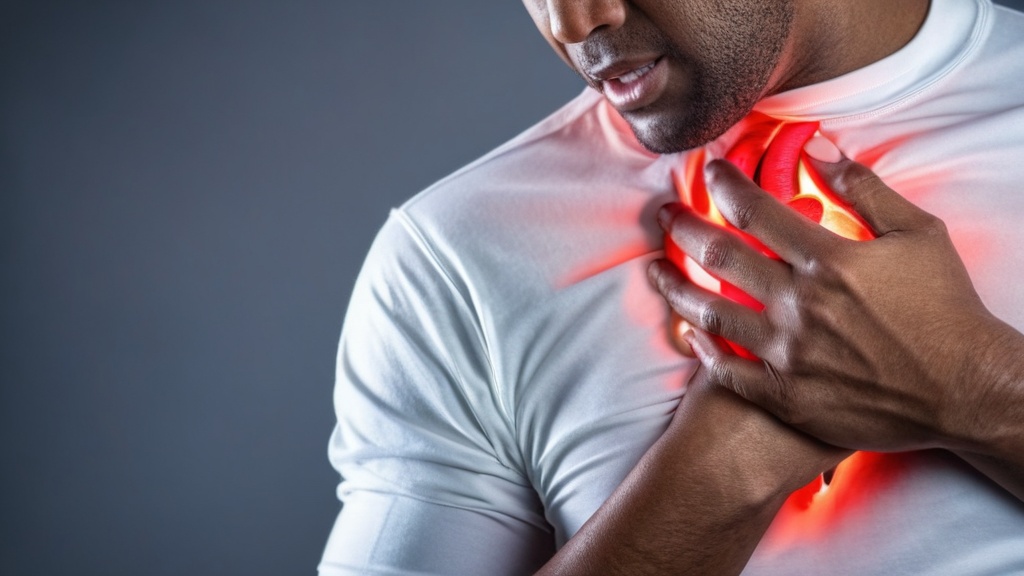

A heart attack, or myocardial infarction, occurs when blood flow to the heart is blocked. This blockage usually results from a buildup of fatty deposits in the arteries, known as atherosclerosis. When the heart muscle doesn’t receive enough oxygen-rich blood, it can become damaged or die. This condition can lead to serious complications, including heart failure or even death.
Understanding the risk factors for a heart attack is crucial. High blood pressure, high cholesterol, smoking, obesity, and a sedentary lifestyle all contribute to the likelihood of experiencing one. Genetics also play a role; if your family has a history of heart disease, you may be at higher risk. Recognizing these factors can help you take proactive steps to protect your heart health.
Key Takeaways
- Heart attack symptoms can vary widely, including both common and uncommon signs.
- Men and women may experience different heart attack symptoms, requiring tailored awareness.
- Age and other factors influence how heart attack symptoms present in individuals.
- It is crucial to know when to seek immediate medical help to improve outcomes.
- Differentiating between a heart attack and cardiac arrest is essential for appropriate response.
Common Symptoms of a Heart Attack
The most recognized symptoms of a heart attack include chest pain or discomfort. This sensation often feels like pressure, squeezing, or fullness in the center or left side of the chest. It may last for more than a few minutes or go away and return. Many people describe it as feeling like an elephant is sitting on their chest.
Other common symptoms include shortness of breath, which may occur with or without chest discomfort. You might also experience cold sweats, nausea, or lightheadedness. These symptoms can vary significantly from person to person, making it essential to pay attention to your body and seek help if something feels off.
Uncommon Symptoms of a Heart Attack

While chest pain is the hallmark symptom of a heart attack, some people experience less typical signs. For instance, some individuals report extreme fatigue or weakness that seems out of the ordinary. This fatigue can occur days or even weeks before the actual heart attack.
Another uncommon symptom is pain that radiates to other areas of the body. This can include discomfort in the arms, back, neck, jaw, or stomach. These atypical symptoms can be easily overlooked or mistaken for other conditions, which is why awareness is vital.
Recognizing Symptoms in Men
Men often experience classic symptoms of a heart attack, such as chest pain and shortness of breath. However, they may also exhibit additional signs like sweating and nausea. Men are more likely to recognize these symptoms and seek help promptly.
It’s important to note that men may downplay their symptoms due to societal expectations about masculinity. They might ignore warning signs or delay seeking medical attention. This behavior can lead to severe consequences, so it’s crucial for men to listen to their bodies and act quickly when they notice unusual symptoms.
Recognizing Symptoms in Women
| Symptom | Description | Commonality | Urgency Level |
|---|---|---|---|
| Chest Pain or Discomfort | Pressure, squeezing, fullness, or pain in the center or left side of the chest | Very Common | High |
| Shortness of Breath | Difficulty breathing or feeling out of breath, often accompanying chest discomfort | Common | High |
| Cold Sweat | Sudden sweating without physical exertion | Common | High |
| Nausea or Vomiting | Feeling sick to the stomach or actual vomiting | Less Common | Moderate |
| Lightheadedness or Dizziness | Feeling faint or dizzy, sometimes leading to loss of consciousness | Less Common | High |
| Pain in Other Areas | Discomfort or pain spreading to arms, back, neck, jaw, or stomach | Common | High |
| Fatigue | Unusual or extreme tiredness, especially in women | Less Common | Moderate |
Women often experience different symptoms than men during a heart attack. While they can have chest pain, they are more likely to report fatigue, shortness of breath, and indigestion-like symptoms. Women may also experience anxiety or a sense of impending doom.
These differences can lead to misdiagnosis or delayed treatment in women. Many women may not recognize their symptoms as signs of a heart attack. Education about these unique symptoms is essential for women to advocate for their health and seek timely medical help.
Knowing When to Seek Medical Help
Recognizing when to seek medical help can be life-saving. If you experience chest pain that lasts more than a few minutes or goes away and returns, call emergency services immediately. Don’t hesitate if you feel short of breath or have other concerning symptoms.
It’s also important to trust your instincts. If something feels wrong, don’t ignore it. Early intervention can significantly improve outcomes in the event of a heart attack. Remember that it’s better to be safe and get checked out than to risk serious health complications.
How Age and Other Factors Affect Symptoms
Age plays a significant role in how heart attack symptoms present themselves. Older adults may experience more subtle signs compared to younger individuals. They might not have the classic chest pain but could instead feel extreme fatigue or confusion.
Other factors such as diabetes can also affect symptom presentation. People with diabetes may have nerve damage that dulls their ability to feel pain, leading them to miss classic warning signs. Understanding how these factors influence symptoms can help individuals recognize when they need medical attention.
Understanding the Difference Between a Heart Attack and Cardiac Arrest
It’s crucial to differentiate between a heart attack and cardiac arrest, as they are not the same thing. A heart attack occurs when blood flow to the heart is blocked, while cardiac arrest happens when the heart suddenly stops beating altogether.
During cardiac arrest, a person may lose consciousness and stop breathing within seconds. This condition requires immediate medical intervention through CPR and defibrillation. Recognizing this difference can help bystanders respond appropriately in emergencies.
Recognizing Symptoms in Older Adults
Older adults may exhibit atypical symptoms during a heart attack. They might experience confusion, dizziness, or sudden weakness rather than classic chest pain. These signs can easily be mistaken for other age-related issues.
Family members should be vigilant about these changes in older adults. If an elderly loved one shows unusual behavior or physical changes, it’s essential to seek medical advice promptly. Early detection can lead to better outcomes for older patients experiencing a heart attack.
Recognizing Symptoms in Younger Adults
Younger adults may also experience different symptoms during a heart attack compared to older individuals. They might not have the typical risk factors associated with heart disease but can still suffer from a heart attack due to stress or genetic predispositions.
Symptoms in younger adults can include severe fatigue, anxiety, and even gastrointestinal discomfort that mimics indigestion. Awareness of these signs is crucial for younger individuals who may underestimate their risk due to age.
Recognizing Symptoms in Children
While rare, children can experience heart attacks too, often due to congenital heart defects or other underlying conditions. Symptoms in children may include unexplained fatigue, shortness of breath during physical activity, or sudden fainting spells.
Parents should be aware of any unusual changes in their child’s behavior or physical capabilities. If you notice concerning signs, consult a healthcare professional for further evaluation. Early detection and intervention are key to managing any potential heart issues in children effectively.
In conclusion, understanding the signs and symptoms of a heart attack is vital for everyone—regardless of age or gender. By recognizing both common and uncommon symptoms, individuals can take proactive steps toward their health and well-being. Always remember that if something feels wrong, seeking medical help promptly can save lives.