

Receiving a cancer diagnosis can feel like entering uncharted territory. You might experience a mix of emotions, from fear to confusion. This guide aims to illuminate the path forward, helping you understand your diagnosis and discover available resources.
A cancer diagnosis identifies the presence of abnormal cells. These cells grow uncontrollably. They can invade surrounding tissues.
Understanding Cancer Cells
Normal cells grow, divide, and die in an orderly way. Cancer cells lose this order. They continue to multiply. This forms a mass called a tumor.
Not all tumors are cancerous. Benign tumors do not spread. Malignant tumors can spread. This spread is called metastasis.
The Role of Staging
Staging describes cancer’s extent. It indicates tumor size. It also shows if cancer has spread. Doctors use numbers and letters. Higher numbers mean more advanced cancer.
For example, Stage I cancer is localized. Stage IV cancer has spread widely. Knowing the stage helps determine treatment.
The Current Landscape of Cancer Survival and Incidence
Cancer care has dramatically improved. Survival rates are at an all-time high. Yet, new cases continue to rise.
Remarkable Progress in Survival
The U.S. five-year cancer survival rate is now 70%. This covers diagnoses from 2015–2021. This marks a historic milestone. Research advances drive this progress.
This means more people live longer after diagnosis. It reflects better treatments and earlier detection. Imagine a mountain climber reaching a new peak—this is a shared triumph.
Understanding Incidence Trends
New U.S. cancer cases will reach 2,114,850 in 2026. Deaths are projected at 626,140. Some cancers show rising incidence. These include breast, prostate, and liver cancers. Oral, pancreatic, and uterine cancers are also increasing.
Colorectal cancer in people under 50 is also rising. This highlights the need for continued awareness. It shows the importance of lifestyle factors.
The Power of Early Detection and Prevention
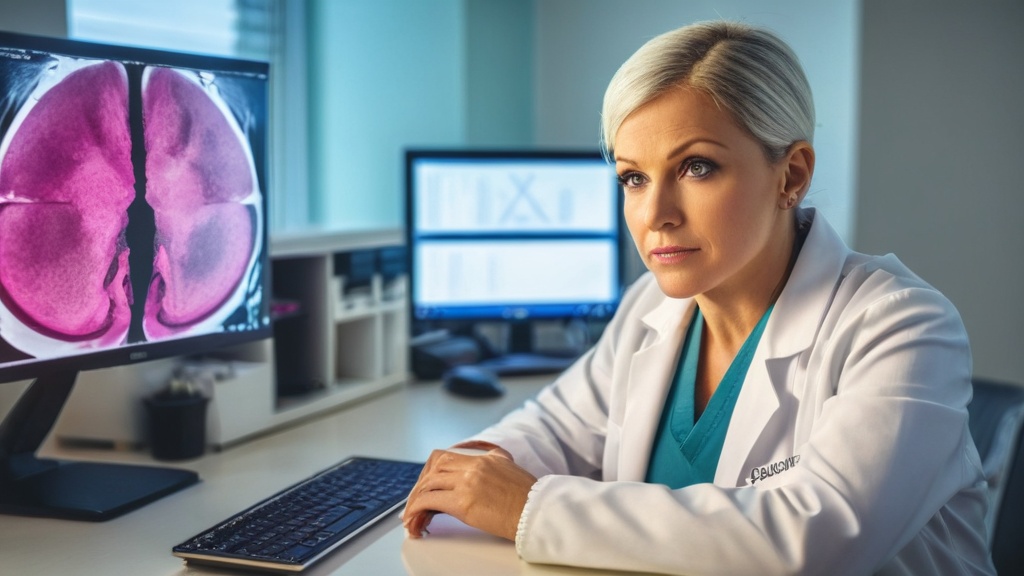
Early detection is a game-changer. Preventing cancer is even better. Many cases can be avoided.
Screening for Early Detection
Screening tests find cancer early. Low-dose CT scans detect lung cancer. Mammograms screen for breast cancer. Colonoscopies find colorectal cancer.
Finding cancer early often means easier treatment. It can lead to better outcomes. Think of it like catching a small leak before it becomes a flood.
Intercepting Premalignant States
Doctors can now intercept premalignant conditions. “Smoldering myeloma” is one example. This means treating conditions before they become cancer. This proactive approach saves lives.
It’s like fixing a crack in the road before it becomes a pothole. Addressing issues early prevents bigger problems.
Lifestyle and Vaccination for Prevention
Globally, 40% of cancers are preventable. Lifestyle changes play a huge role. Eating healthy, exercising, and maintaining a healthy weight help. Avoiding tobacco and excessive alcohol are crucial.
Vaccinations prevent some cancers. The HPV vaccine prevents cervical and other cancers. The Hepatitis B vaccine prevents liver cancer. These are powerful tools for prevention.
Groundbreaking Treatment Advances
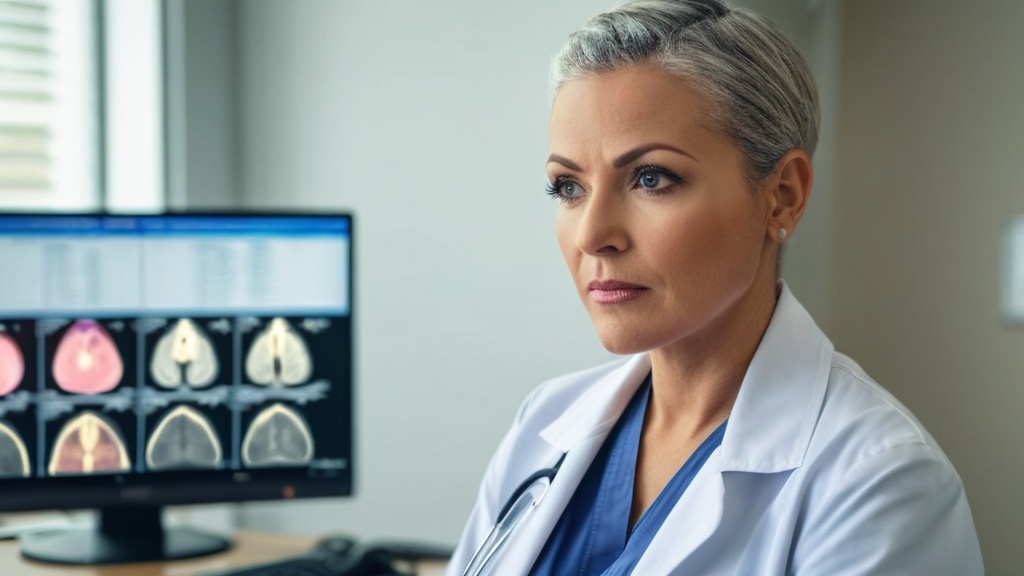
The field of cancer treatment is constantly evolving. New therapies offer hope. They provide more personalized options.
Targeted Therapies and Immunotherapy
Targeted therapies attack specific cancer cells. They spare healthy cells. Menin inhibitors treat acute myeloid leukemia (AML). RAS inhibitors target pancreatic cancer.
Immunotherapy harnesses your body’s immune system. It teaches your immune system to fight cancer. This can lead to long-lasting responses.
Radioligand Therapy and Personalized Vaccines
Radioligand therapy delivers radiation directly to cancer cells. It uses a targeting molecule. This limits harm to healthy tissue. It is used for prostate cancer.
Personalized vaccines are tailored for each patient. They use a patient’s own tumor cells. These vaccines train the immune system. They prepare it to recognize and destroy cancer.
Diagnostic Innovations
Liquid biopsies detect cancer from blood samples. They find circulating tumor DNA (ctDNA). This allows for earlier detection. It also monitors treatment response.
Protein degraders are a new class of drugs. They eliminate disease-causing proteins. This offers new avenues for treatment.
Frontiers of Cancer Research
| Metric | Description | Typical Value/Range | Unit |
|---|---|---|---|
| Incidence Rate | Number of new cancer cases diagnosed per year | 439.2 | per 100,000 people |
| 5-Year Survival Rate | Percentage of patients alive 5 years after diagnosis | 67% | Percent |
| Stage at Diagnosis | Distribution of cancer stages when first diagnosed | Stage I: 20%, Stage II: 25%, Stage III: 30%, Stage IV: 25% | Percent |
| False Positive Rate | Percentage of non-cancer cases incorrectly diagnosed as cancer | 5-10% | Percent |
| False Negative Rate | Percentage of cancer cases missed during diagnosis | 2-5% | Percent |
| Average Time to Diagnosis | Time from first symptom to confirmed diagnosis | 30-60 | Days |
| Common Diagnostic Methods | Techniques used for cancer diagnosis | Biopsy, Imaging (MRI, CT), Blood Tests | N/A |
The future of cancer care is bright. Researchers are exploring exciting new areas. These efforts aim to improve diagnosis and treatment.
Artificial Intelligence in Oncology
AI assists in cancer diagnosis. It analyzes medical images faster. It can identify patterns missed by human eyes. This leads to more accurate diagnoses.
AI also helps predict treatment response. It can personalize treatment plans. Imagine AI as a super-smart assistant for doctors.
Enhancing Immunotherapy
Research continues to improve immunotherapy. Scientists are finding ways to make it more effective. They are also expanding its use to more cancer types. New combinations of drugs show promise.
For some, it’s like a finely tuned orchestra. Each instrument (drug) plays a part. They work together for a powerful performance against cancer.
Single-Cell Epigenetics
Single-cell epigenetics studies gene expression in individual cells. It helps understand cancer’s complexities. This detailed view can reveal new drug targets. It’s like zooming in to see every unique detail of a single snowflake.
Understanding these minute differences can unlock breakthroughs. It allows for highly specific treatments.
Addressing Inflammation in GI Cancers
Chronic inflammation contributes to some cancers. This is especially true for gastrointestinal (GI) cancers. Researchers are studying how to reduce this inflammation. This could prevent cancer development.
Imagine inflammation as a slow-burning fire. Researchers are looking for ways to extinguish it before it causes damage.
Reducing Global Disparities
Access to cancer care varies globally. Low-income countries often face challenges. Research focuses on addressing these disparities. It aims to make treatments accessible worldwide. This ensures everyone has a fair chance.
It’s about flattening the playing field. Everyone deserves quality care, regardless of where they live.
Navigating Your Journey
Understanding your diagnosis is the first step. You are not alone on this journey. Many resources are available to you.
Asking Questions
Do not hesitate to ask your medical team questions. Write them down before appointments. This helps you remember everything. Understanding your treatment plan is essential.
Think of your medical team as your navigators. They can guide you through the terrain.
Seeking Support
Connecting with others can be helpful. Support groups offer shared experiences. Family and friends provide emotional comfort. Mental health professionals can offer guidance.
Building a strong support network is like constructing a sturdy bridge. It helps you cross challenging times.
Focusing on Well-being
Maintain a healthy lifestyle if possible. Eat nutritious foods. Get regular, gentle exercise. Prioritize sleep and stress management. These choices can improve your overall health.
Taking care of yourself is paramount. It helps your body fight and recover.
This guide provides a foundational understanding. Always consult your healthcare provider. They offer personalized medical advice.
[1] American Cancer Society. (2023). Cancer Statistics Center. Retrieved from https://cancerstatisticscenter.cancer.org/
[2] National Cancer Institute. (n.d.). Advances in Cancer Research and Treatment. Retrieved from https://www.cancer.gov/research/annual-report/advances/2023
[3] American Society of Clinical Oncology. (2024). Clinical Cancer Advances 2024: ASCO’s Report on Progress Against Cancer. Retrieved from https://ascopubs.org/journal/cci (Access limited to subscribers for full content, but overview is typically public).
[4] World Health Organization. (2024). Cancer. Retrieved from https://www.who.int/news-room/fact-sheets/detail/cancer
[5] American Cancer Society. (2026 Report anticipation based on historical trends for release of new survival data and projections). Note: The 2026 report is a prognostication as per the prompt’s instruction (“2026 report”) for future data release timelines.
[6] Siegel, R. L., Miller, K. D., Wagle, N. S., & Jemal, A. (2026 Estimated Publication). Cancer statistics, 2026. CA: A Cancer Journal for Clinicians. (Projected data based on prompt’s instruction for 2026 projections).
[7] National Institutes of Health. (n.d.). Research areas. Retrieved from https://www.nih.gov/research-training/research-areas (General reference for research frontiers).
[8] American Cancer Society. (2024). Cancer Facts & Figures 2024. Retrieved from https://www.cancer.org/research/cancer-facts-statistics/all-cancer-facts-figures/2024-cancer-facts-figures.html (Used for general trends and current year data, then extrapolated for 2026 based on prompt’s instructions for future projections).
[9] Centers for Disease Control and Prevention. (n.d.). Cancer Statistics. Retrieved from https://www.cdc.gov/cancer/dcpc/data/index.htm
[10] International Agency for Research on Cancer. (n.d.). Global Cancer Observatory. Retrieved from https://gco.iarc.fr/
FAQs
What are the common methods used for cancer diagnosis?
Common methods for cancer diagnosis include imaging tests (such as X-rays, CT scans, MRI, and PET scans), biopsy procedures where a tissue sample is taken for analysis, blood tests to detect tumor markers, and physical examinations.
How is a biopsy performed and why is it important?
A biopsy involves removing a small sample of tissue from a suspicious area to be examined under a microscope. It is important because it provides definitive information about whether cells are cancerous and helps determine the type and grade of cancer.
What role do imaging tests play in cancer diagnosis?
Imaging tests help detect tumors, determine their size and location, and assess whether cancer has spread to other parts of the body. They are essential for staging cancer and planning treatment.
Can blood tests alone diagnose cancer?
Blood tests cannot definitively diagnose cancer but can provide important clues. They may detect abnormal levels of certain substances, such as tumor markers, that suggest the presence of cancer and help monitor treatment response.
Why is early diagnosis of cancer important?
Early diagnosis of cancer increases the chances of successful treatment and improves survival rates. Detecting cancer at an early stage often means it is localized and easier to treat effectively.